MAM
“Greenply’s strength lies in sustainability and zero-emission products”: Greenply’s Manoj Tulsian

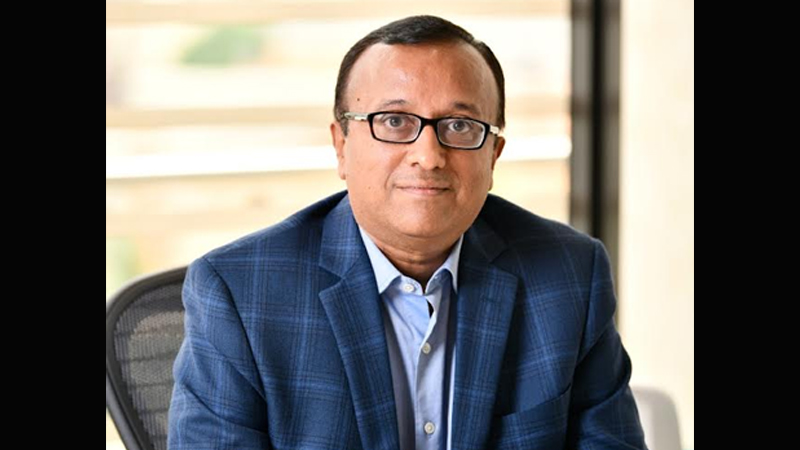
Mumbai: Greenply Industries is among India’s largest interior infrastructure companies with over 30 years of experience in manufacturing and marketing a comprehensive range of plywood, block boards, decorative, veneers, flush doors, and other allied products has always been at the forefront of driving product innovations, ensuring a steady supply of health safe products to its discerning consumers. The company provides world-class interior products for the domestic and global markets and pioneered the concept of lifetime warranty in plywood.
Greenply is constantly striving to build a sustainable operational framework crucial for continued value creation. Greenply has identified sustainability as an important strategic priority. Greenply is amongst the first ones in the sector to use Okoume – a natural timber harvested under the Sustainable Forest Management plan. Greenply has also attained the FSC – FM (Forest Management) Certification from Forest Stewardship Council (FSC) for its sustainable plantation unit located in Tizit, Nagaland and is the first company to have successfully achieved the certification in the interior infrastructure segment in India. This certification addresses Greenply’s aim to maintain ecological harmony and provides an assurance to its consumers that the products they purchase are sourced sustainably.
Indiantelevision.com caught up with Greenply Industries JMD & CEO Manoj Tulsian, who shared more information regarding the company and the sustainability initiatives that they have undertaken.
Edited excerpts
On Greenply Industries, its formation and its main USP
Under Mr. Rajesh Mittal’s guidance, the company evolved from a sawmill in 1984 to a Nagaland plywood plant in 1988. Incorporated as “Mittal Laminates Private Limited” on November 28, 1990, it merged with Greenply Industries on April 1, 1994, and was renamed Greenply Industries Ltd in 1996. The flagship brand, Greenply, debuted in 1997.
A leader in plywood, veneer, doors and MDF categories, Greenply is the first in the wood-panel industry in India to be FSC-FM certified. Its products are manufactured from sustainably procured raw materials and have become synonymous with quality.
Greenply’s strength lies in sustainability and zero-emission products, showcasing an assurance of ecologically sensible practices. The E-0 line, with minimal formaldehyde emissions, has already set an industry standard for indoor air quality. With an amalgamation of sustainability and innovation, Greenply has not only advanced the industry but also fostered healthier living environments.
On specific sustainability initiatives the company undertook to align with its green vision
Greenply has always been one of the pioneers in sustainability in the industry with a commitment to reducing its carbon footprint and enhancing resource efficiency. Being the first company in the interior infrastructure sector to have released the ESG report, Greenply has invested in advanced technology and processes. Sustainable raw material sourcing is a priority for Greenply and so do promoting agro-forestry and empowering communities. It’s the first in the Indian wood panel industry to have conferred with FSC®-FM certification. Greenply has planted 24.85 million saplings till March 2023, and now under its ‘Green Vision’, Greenply aims to plant 50 million saplings by 2025. Other measures include stringent waste management and a substantial transition from coal to firewood chips (waste byproduct) to power our operations. Energy-efficient technologies and renewables are also adopted by Greenply, cutting emissions and costs, with EVs deployed in various plant operations.
On the company’s sustainability initiatives impacting their stakeholders, including customers, employees, and investors
Greenply’s sustainable initiatives have already benefited its stakeholders and communities and will continue to do so, reflecting its environmental responsibility. Greenply’s responsible sourcing of raw materials and adoption of advanced technology reduces its carbon footprint, safeguards resources, and nurtures biodiversity. The company’s energy efficiency and ecological processes in its manufacturing processes are already showing positive results, slashing greenhouse gas emissions, and aligning with global climate goals. Agroforestry is a big part of our large-scale plantation activity, and it helps empower small-scale farmers and communities around our manufacturing facilities. Similarly, our product innovation of zero-emission plywood is beneficial for consumers as well as the environment as it is formaldehyde free and helps in reducing indoor air pollution.
These initiatives uplift the well-being of company stakeholders, augment the reputation of the brand, and reinforce bonds with its stakeholder and consumers.
On the company’s integrated environmental, social, and governance (ESG) principles into its business practices
Greenply has been making all efforts to integrate environmental, social, and governance (ESG) principles into its business practices. It prioritises ESG integration, reducing environmental impact by way of waste reduction, energy optimization, and sustainable sourcing. Ecological processes and carbon footprint reduction are also followed by the company. Social initiatives of Greenply include community development, education support, and healthcare. Safe, fair working conditions for employees are of paramount importance to the company. Being transparent, adopting ethical governance and environmentally friendly products has further underscored the long-term success of Greenply. The company’s inaugural sustainability report has also showcased its ESG performance, goals, and progress.
On the long-term benefits and implications for Greenply Industries as they continue to prioritise sustainability
Implementation of sustainability offers lasting benefits for not only Greenply but to the industry and consumers at large. Integrating sustainability supports larger social objectives while fostering stakeholder relationships, creating an optimistic impact and enhanced goodwill. It augments the company’s reputation as an eco-conscious, socially responsible company, nurturing brand loyalty and customer trust. Sustainability also alleviates risks like supply chain troubles, and reputational issues. Novelty in products and processes is incited through sustainable approaches, enabling eco-friendly solutions, and meeting growing customer demands. Also, among mounting global ecological and social anxieties, prioritizing sustainability ensures Greenply’s readiness to adapt to market dynamics and shifts. This resilience places Greenply well in a modern business landscape.