MAM
Dabur enters male grooming market

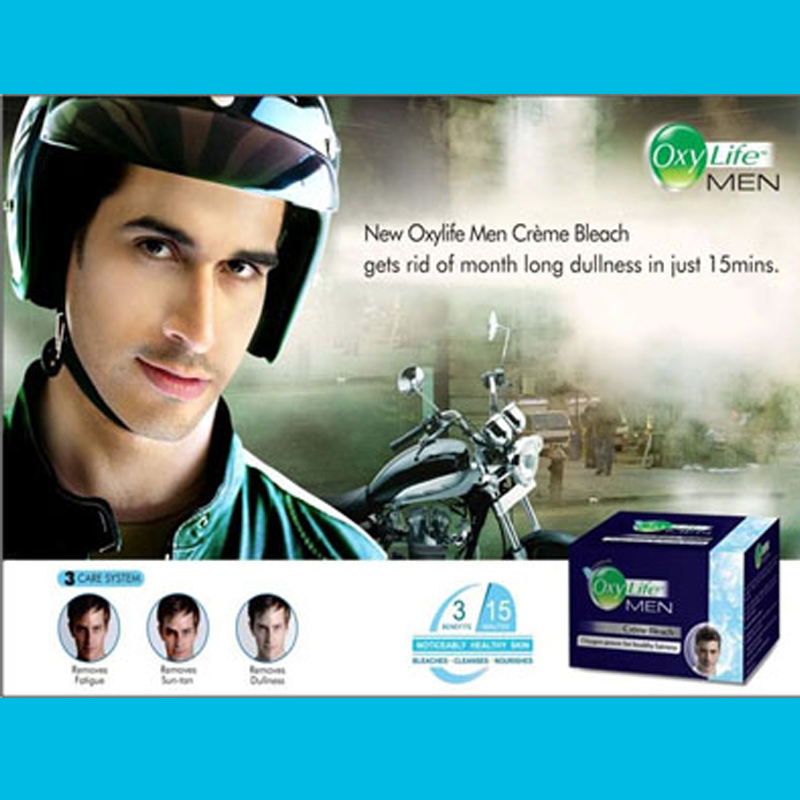
MUMBAI: Dabur India has announced its entry into the male grooming market with the launch of OxyLife Men Cr?me Bleach and a specialised male professional facial bleach targeting the men’s beauty salon & parlour market.
“Men are increasingly becoming the drivers of growth for the Indian cosmetic market. Thanks to the rising influence of media and growing Western exposure, men are becoming more and more beauty conscious. They also believe that not just social acceptance but also career success is linked to how a person presents himself to the external world. As a result of this changing lifestyle, the male grooming market continues to grow at strong double digits,” said Dabur India marketing head-beauty care Sanjay Singal.
 |
|---|
The new launch aims to redefine how men view the functionality of products in the male grooming market.
“The needs of a male skin are completely different from that of a woman. This product has been developed keeping the male skin in mind and hence provides the instant fairness, which a regular fairness creams does not provide,” Singal added.

The company also announced its foray into the professional male grooming market with the launch a salon/parlour pack of OxyLife Men Cr?me Bleach. “Men are also turning out to big spenders in beauty salons & spas, not just in urban India but also in the hinterland. So with the special parlour pack, we will be among the first beauty companies to launch a specialized professional male grooming product,” said Singal.






MAM
Ameya Velankar steps down as Uber’s head of marketing for India & South Asia
Veteran marketer exits after more than seven years with the ride-hailing giant.
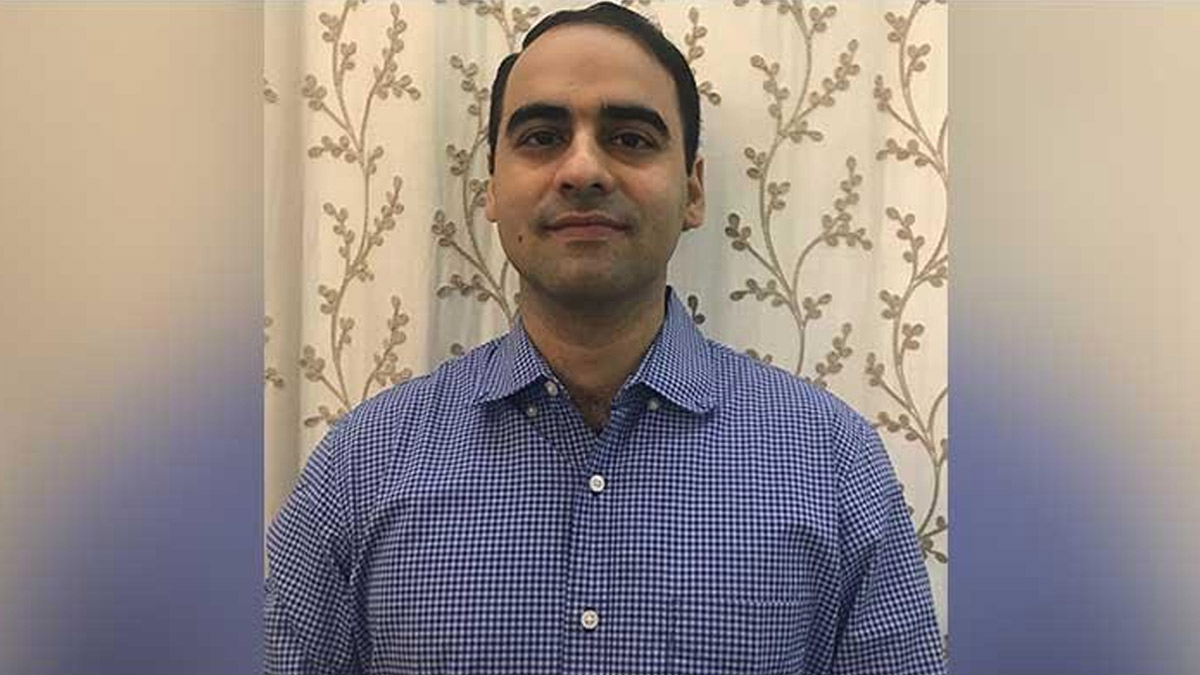
MUMBAI: After more than seven years of steering Uber through the bumpy roads of India’s mobility market, Ameya Velankar has decided to change lanes. Ameya Velankar has stepped down as Head of Marketing for India and South Asia, marking the end of a significant chapter at the ride-hailing company. He had been with Uber since 2019, taking on multiple roles in product and category marketing before rising to lead the marketing function for the region in 2021.
During his tenure, Velankar played a key role in strengthening Uber’s positioning in one of its most competitive and dynamic markets. He helped drive localised marketing strategies and scale adoption across key offerings such as Auto, Moto, Rentals and Intercity, tailoring global platforms to Indian consumer needs.
Prior to joining Uber, Velankar built his marketing expertise at leading consumer companies including SC Johnson and Marico, where he handled category and product leadership roles. His career began at RPG Enterprises.
Details of his next professional move have not been disclosed.
In a fast-evolving mobility landscape where brands constantly battle for attention, Ameya Velankar helped Uber stay relevant and resonant with millions of Indian users. As he moves on from the driver’s seat of marketing, the company will now look for fresh ideas to keep its wheels turning smoothly.






