Digital
Collective Artists Network hits the road with India’s first bilingual AI travel influencer

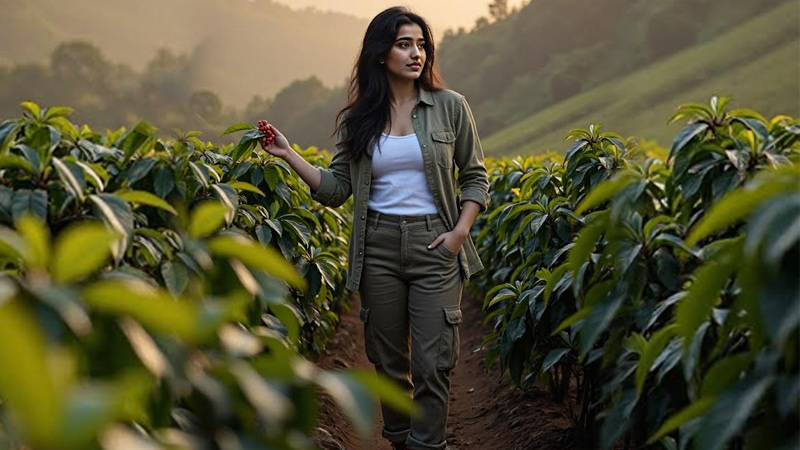
MUMBAI: Collective Artists Network has unveiled Radhika Subramaniam, India’s first AI-powered travel influencer fluent in both English and Tamil, and the latest entrant in the firm’s expanding world of virtual creators.
Unlike her glossier predecessor Kavya — who leans into luxe aesthetics — Radhika is your girl-next-door meets globetrotter. A Gen Z solo traveller with a backstory that reads like a millennial quit-notice, Radhika ditched her corporate job to chase culture, conversations and chai at roadside stalls across India.
“Radhika feels like someone we all know — that one friend who took the leap and actually went on the trip. She’s thoughtful, independent, and interested in the world around her. With her, we wanted to build more than just a new kind of influencer — we wanted to create someone who could tell stories with heart, and make people feel seen,” said Collective Artists Network founder & group CEO Vijay Subramaniam.
What sets Radhika apart isn’t just her synthetic pixels — it’s her human nuance. From local folklore to hidden cafés, she dives into places and perspectives often left behind by mainstream tourism content. And her bilingual voice allows her to bridge geographies, resonating deeply with both urban metros and regional markets.
“There’s a warmth to Radhika that’s hard to fake. She’s not just spitting out trends or trying to be viral — she actually gets the context,” said Collective Artists Network chief revenue officer and CEO of Big Bang Social CEO Sudeep Subhash. “For brands, that’s gold. You get someone who’s always on, always in sync with your voice — but also genuinely engaging for the audience. That kind of storytelling at scale is really exciting.”
As AI-powered influence evolves from novelty to nuance, Radhika signals a bold step forward — where connection trumps curation, and virtual creators feel less like code and more like companions.






