Digital
Cashkaro’s ‘GOATies’ Ad Butts Heads with Useless Coins in Roadies-Style Spoof


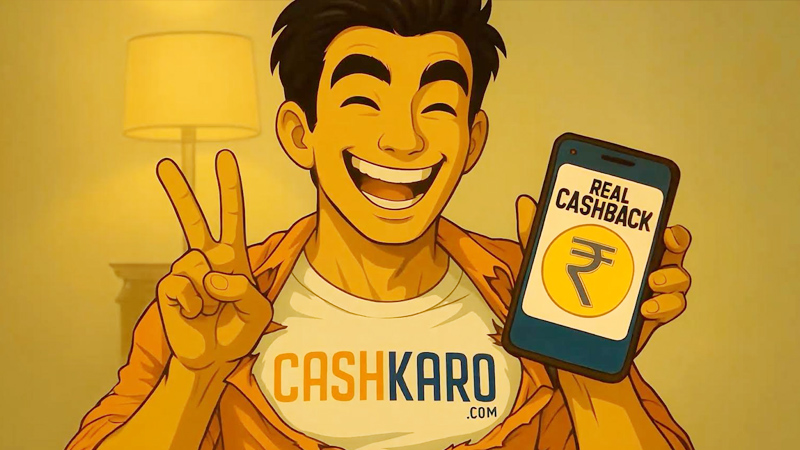
MUMBAI: It’s loud, it’s bold, and it’s got a goat gunning for glory, Cashkaro’s latest campaign film is baa-rilliantly bonkers. India’s leading cashback and coupons platform has just dropped the third instalment of its tongue-in-cheek #CoinsVSCashback campaign, and this one crashes into pop culture with horns blazing. Titled ‘GOATies’, the ad spoofs the cult-favourite reality show Roadies, swapping wannabe contestants for a coin-hoarding goat that’s out to prove it’s the “Greatest Of All Time” in savings. Spoiler alert: it’s not.
In a hilariously over-the-top audition setup, the goat struts in to face an unimpressed judge and is promptly schooled on the futility of hoarding reward coins you know, the ones that expire faster than leftovers and rarely offer real-world value. In trademark Roadies fashion, the goat’s dreams are roasted, and the message lands with a headbutt of clarity: real cashback is king the kind you can actually transfer to your bank account, courtesy of Cashkaro.
The punchline? “Change the habit of direct online shopping pehle Cashkaro, phir shop karo.”

This ad follows two earlier viral hits under the same campaign, one Ghibli-inspired and another laced with satire à la Latent all hammering home the same truth: coins voins are all bakwaas, real cashback is with Cashkaro.
Speaking about the campaign, Cashkaro and Earnkaro, co-founder Swati Bhargava said, “At CashKaro, we’re committed to making online shopping genuinely rewarding. Real cashback is money in your bank not coins that expire or come with conditions. With #CoinsVSCashback, we’re not just talking about the problem we’re parodying it, challenging it, and offering a better alternative. ‘GOATies’ is a fun but clear message: if it’s not real cashback, it’s not worth it.”
Cashkaro director of brand & creatives Ishan Agarwal added, “With GOATies, we wanted to tap into a format that’s instantly iconic and loaded with drama, just like the intense auditions of Roadies. The kind of pressure those moments created for participants we, as audiences, used to feel it too. That’s exactly the energy we wanted to recreate. Roadies is a show that has resonated with millennials, Gen Z, and even today’s younger audiences, making it the perfect creative playground for a satirical yet purposeful message. By spoofing a format so many people relate to, we’re able to connect with a wide audience and highlight the difference between flashy coin rewards and real cashback and use it to drive home a real truth about how online rewards are being diluted by gimmicks. This ad is satire with a purpose to educate users while entertaining them. As the third film in our #CoinsVSCashback campaign, it reinforces CashKaro’s identity as the true GOAT of Cashback.”
Created entirely in-house, the GOATies film is a clever cocktail of pop culture, parody, and purchase wisdom. And while the goat may not win the crown, CashKaro certainly takes the throne as the GOAT of cashback.



Digital
OpenAI’s Stargate lead Peter Hoeschele exits with two senior leaders
Trio behind compute push set to join new startup amid leadership reshuffle
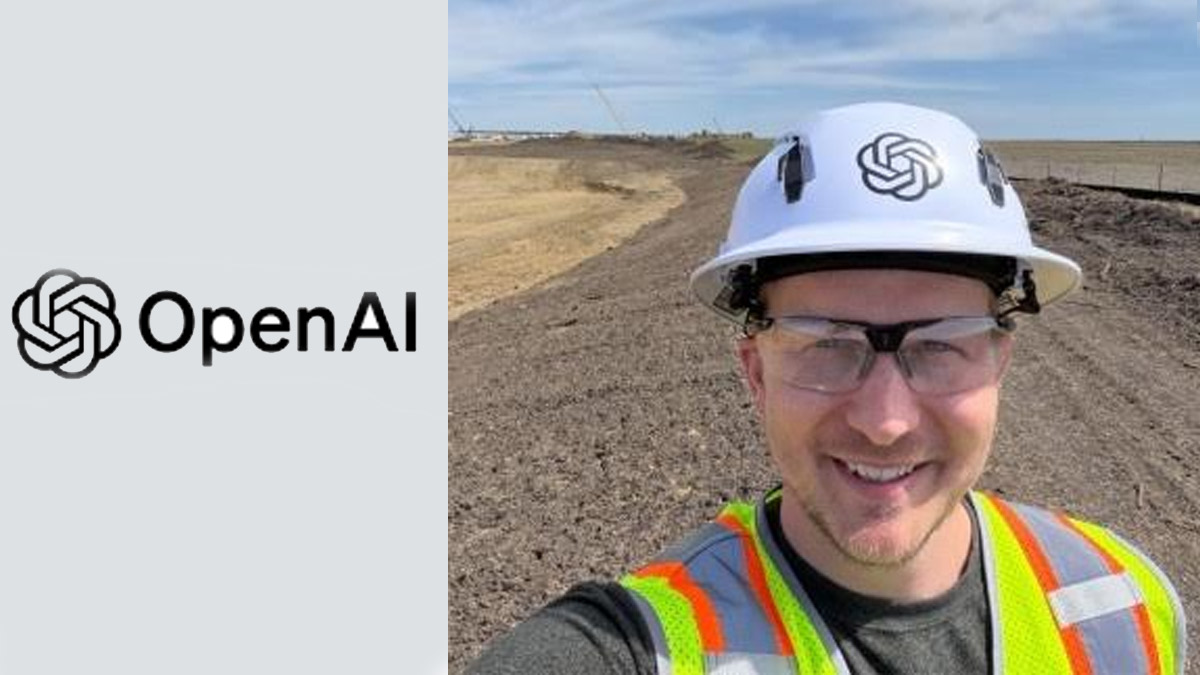
SAN FRANCISCO: Peter Hoeschele, a key figure behind OpenAI’s early Stargate data centre initiative, has exited the company, according to a report by The Information.
The departure is part of a broader leadership shift, with two other senior executives, Shamez Hemani and Anuj Saharan, also set to leave in the coming days. All three are expected to join the same new startup, although details about the venture remain under wraps.
The trio played a central role in OpenAI’s Stargate effort, an initiative aimed at building large-scale data centre capacity in-house to reduce reliance on external infrastructure providers. Their exits mark a notable moment for the company’s compute strategy as it continues to scale rapidly.
OpenAI spokesperson said in a statement to The Information, “We’re grateful for the contributions Peter, Shamez, and Anuj have made to OpenAI and wish them the very best in what comes next.” The company also pointed to the recent appointment of Sachin Katti to lead its industrial compute organisation, signalling continuity in its infrastructure roadmap.
OpenAI has indicated that it does not plan to directly replace Hoeschele’s role, suggesting a possible restructuring of responsibilities within the team.
As competition intensifies in the race to build next-generation AI systems, leadership changes in core infrastructure teams are likely to draw close attention. For now, the spotlight shifts to what this departing trio builds next, and how OpenAI adapts as it scales its ambitions.







