Brands
Candyman gets smart with sass as Soury Not Sorry returns with an AI twist
ITC’s Candyman Sourzzz debuts AI influencer Rysa in a bolder Season 3 outing.


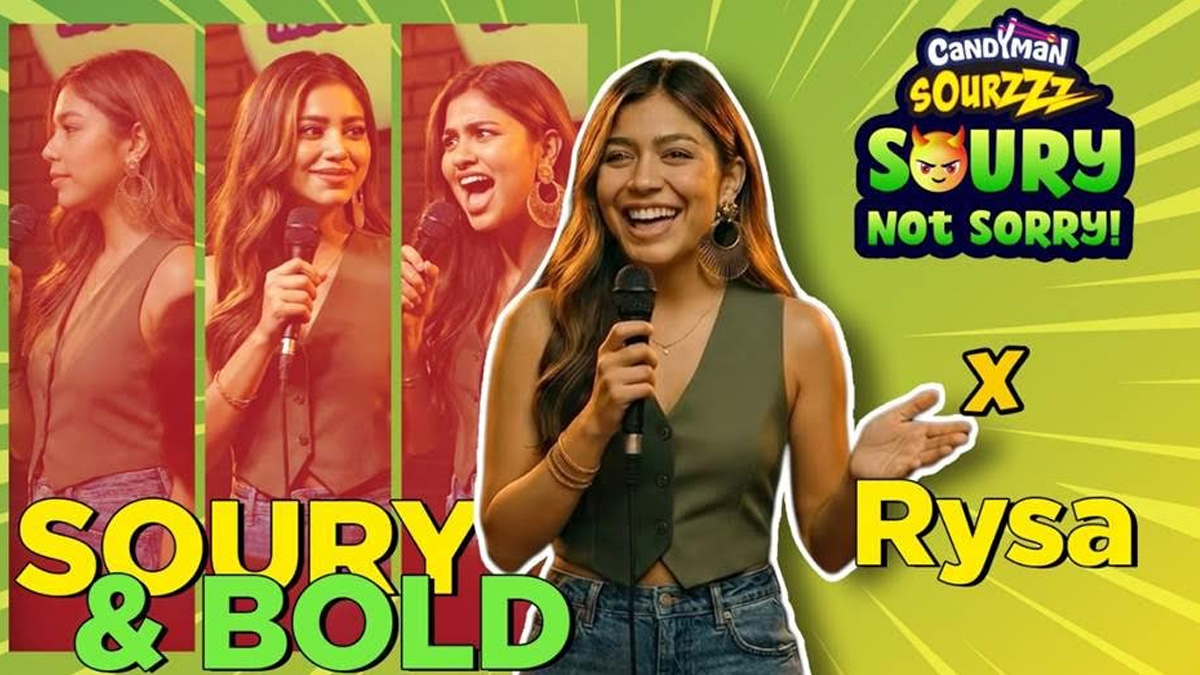
MUMBAI: Sometimes, the sharpest clapbacks don’t come from people at all. ITC’s Candyman Sourzzz is back with Soury Not Sorry – Season 3, and this time it has added a distinctly futuristic edge by introducing an AI influencer as the face of its disruptive youth franchise.
After two high-impact seasons, the confectionery brand has doubled down on attitude and innovation, rolling out a four-week digital campaign led by Ramya Sathish, better known as Rysa, a category-first AI influencer in the Indian confectionery space. The move signals a clear shift towards internet-native storytelling aimed squarely at teenagers and young adults who live, speak and spar online.
Season 3 stays loyal to the franchise’s core idea: bold, clean “soury” roasts delivered to misplaced authority figures who poke without provocation. Only now, the sass comes from a digitally created voice designed to mirror the confidence, humour and unfiltered honesty of today’s youth.
Rysa has been carefully crafted as a culturally fluid persona. A 23-year-old Delhi-born graduate with Malayali roots, she is positioned as a self-aware “corporate baddie” witty, chaotically honest and driven by experience-led comedy that thrives on internet humour. The intent is clear: make the brand feel less like it is talking to young consumers and more like it is talking with them.
“Soury Not Sorry has grown into a powerful youth-culture platform for Candyman Sourzzz,” said ITC Foods vice president and business head for confectionery Subash Balar. “Season 3 is our boldest leap yet. With Rysa, our first-ever AI influencer, we’re stepping into the future of culturally relevant storytelling while staying true to what the Intellectual Property stands for wit, confidence and unapologetic self-expression.”
The insight driving the franchise remains unchanged. Young people are often nudged to tone themselves down, sugarcoat opinions or conform to avoid judgement. Yet, what they crave is the freedom to be quirky, outspoken and real. By turning everyday irritants into moments of fearless humour, Soury Not Sorry positions Candyman Sourzzz as the candy of choice for those who refuse to hold back.
That approach has already paid off. Season 1 clocked a reach of 35 million with 1.7 million engagements, while Season 2 scaled higher with 36 million reach and 2.7 million engagements. Over time, the series has evolved into a genre-defining digital youth property, flipping moments of judgement into celebrations of unapologetic individuality.
With Season 3, Candyman Sourzzz pushes the envelope further blending clean roasts, cultural insight and now an AI-powered voice. The message is unmistakable: the future of youth culture is bold, sharp and just a little bit sour and proudly not sorry.