Brands
Blockbusters and billions boost PVR Inox in Q1 of FY’26

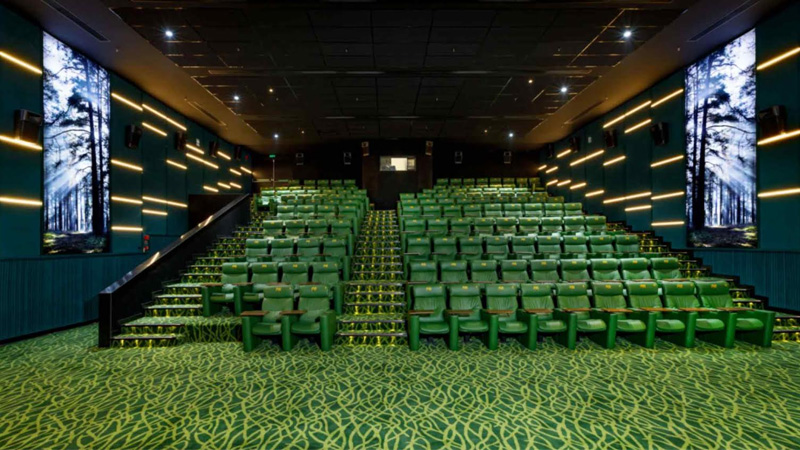
MUMBAI: Seats taken, debts shaken PVR INOX sets the tone for a blockbuster FY’26. If the opening quarter of FY’26 is any clue, PVR Inox isn’t just selling popcorn, it’s popping the lid off cinema’s revival story. The multiplex major has posted a stellar Q1 performance for the quarter ending June 30, 2025, powered by Bollywood box office blitzes, Hollywood hits, and a strategic play on alternative programming and screen expansion.
Cinema seats saw healthy occupation as a total of 10 films crossed the Rs 100 crore mark, with three of them zooming past Rs 200 crore, setting the tone for a more balanced and consistent theatrical performance.
Bollywood brought in blockbuster numbers for PVR Inox, with collections jumping 38 per cent year-on-year. The charge was led by crowd-pullers like Raid 2, Sitaare Zameen Par, Kesari Chapter 2, Housefull 5, and Jaat all five entered the Rs 100 crore club, and three soared past the Rs 200 crore milestone.
Hollywood wasn’t far behind, registering a whopping 72% YoY growth for the exhibitor. Mega franchises like Mission Impossible, Final Destination: Bloodlines, Ballerina, and the box office juggernaut F1 drove this spike especially on premium formats like IMAX and 4DX, where admissions rose 20 per cent YoY.
Regional cinema remained a steady performer, with titles like Tamil’s Good Bad Ugly, Malayalam’s Thudarum, and Tourist Family holding the fort.
Launched in April, the Blockbuster Tuesdays initiative offering tickets at just Rs 99 proved to be more than a gimmick. It brought in nearly 1 million new and lapsed transactors, giving weekdays a much-needed footfall bump.
Meanwhile, the exhibitor’s push into alternate programming including IPL match screenings, concerts, comedy shows, and film re-releases contributed over 5 lakh admissions this quarter, reinforcing cinemas as multipurpose destinations.
That said, the quarter wasn’t without hiccups. PVR Inox estimated a loss of 6–7 lakh admissions due to external disruptions like Operation Sindoor, protests around Punjabi film Akaal, and the suspension of Sardaarji 3.
Sticking to its asset-light strategy, PVR INOX added 20 new screens this quarter, 14 of which were under FOCO and Asset-Light models. With 55 more screens signed under FOCO and 72 under Asset-Light, expansion continues with minimal capital drag.
Financially, net debt stood at Rs 8,915 million as of 30 June 2025, a Rs 607 million reduction from March 2025 and a sharp Rs 5,389 million (38 per cent) decline since the merger, signalling strong deleveraging.
The multiplex chain is optimistic about the coming months, with July already clocking the highest monthly admissions in the past 18 months. Hits like Saiyaara, Superman, Mahavtar Narsimha, and Metro In Dino have already found their footing, while much-anticipated releases like War 2, Border 2, Love & War, and Hollywood heavyweights like Avatar: Fire and Ash and The Conjuring: Last Rites promise more gold at the box office.
Regional biggies such as Coolie, Toxic, Akhanda 2, and Kantara: A Legend Chapter 1 will further bolster the slate.
With a footprint of 1,745 screens across 353 cinemas in 111 cities across India and Sri Lanka, and a focus on lean growth, PVR Inox is eyeing a full house not just in theatres, but on the balance sheet too.
As PVR Inox managing director Ajay Bijli summed it up, “The momentum has been supported by a well-performing and steady content slate, giving us confidence in the year ahead.”
And if Q1 is anything to go by, FY’26 might just be the comeback reel Indian cinema’s been waiting for.