MAM
BKT tyres to sponsor six IPL teams


NEW DELHI- Indian multinational group Balkrishna Industries Ltd (BKT Tyres) will sponsor six Indian Premier League teams, including reigning champions Mumbai Indians, in the upcoming edition of the tournament, starting September 19 in the UAE.
Apart from Mumbai Indians, BKT will sponsor Chennai Super Kings, Delhi Capitals, Kings XI Punjab, Kolkata Knight Riders, and Rajasthan Royals.
The company has already been promoting cricket by supporting Australia's T20 tournament, the Big Bash League.

“Cricket is a very popular sport in India. Everyone loves the game, and we at BKT are unstoppable when it is about sport. We are pleased and excited to be a part of an event that is much followed in our home country. We are a keen supporter of several national sports all around the globe, but it fills me with immense pleasure that we are now supporting such a significant sporting event of India,” said BKT JMD Rajiv Poddar.
BKT loves sport and it shows! We will partner with six cricket teams of the T-20 League in the upcoming season: check them out in the video below! We’re so excited to be part of such a significant sporting event, will you join us? pic.twitter.com/CnWUzTxJlf
— BKT Tires (@BKTtires) August 31, 2020
The company has been partnering for various sporting events in India including eight out of 12 teams of Pro Kabaddi LIKE Patna Pirates, Puneri Paltan, Tamil Thalaivas, U Mumba, Gujarat Fortune Giants U.P Yoddha, Dabang Delhi, and Haryana Steelers Kabaddi in the 2019 season.







MAM
PwC India announces leadership change in Deals practice
Shashank Jain steps down as co-leader after nearly three decades with the firm.
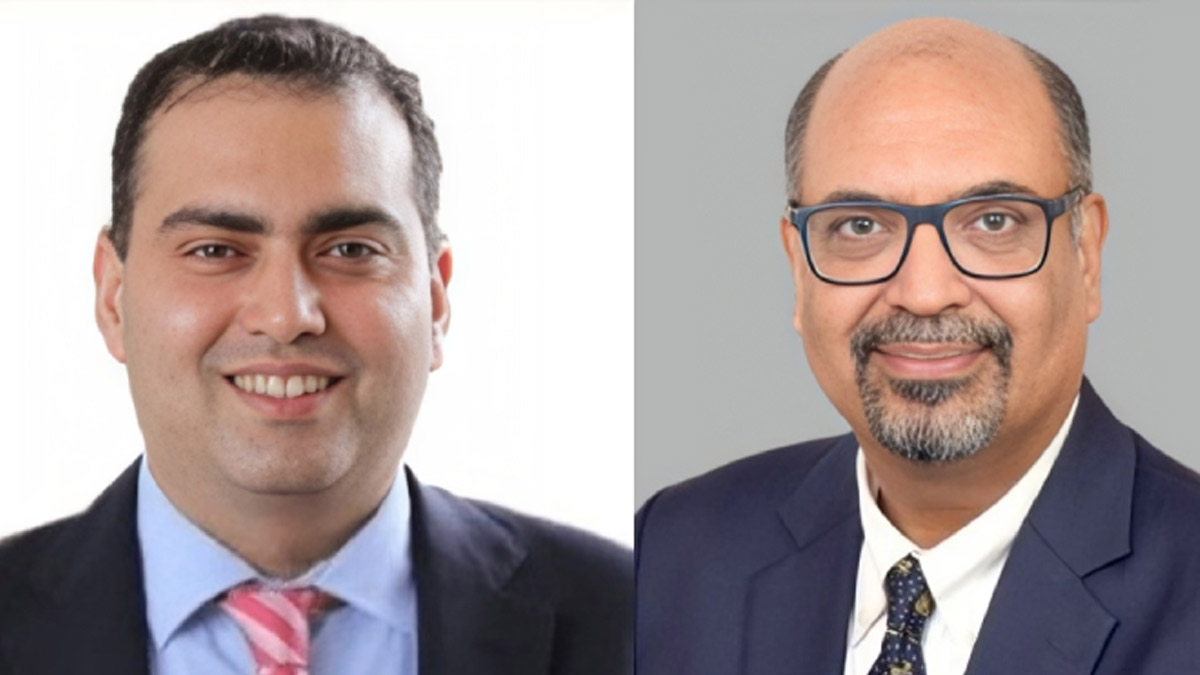
MUMBAI: When one dealmaker steps off the pitch, another is ready to take the baton because in the fast-moving world of transactions, the game never really stops. PwC India has announced a leadership transition in its Deals practice, with Shashank Jain stepping down from his role as co-leader to pursue an opportunity in the industry. The practice will continue to be led by Mohit Chopra, ensuring continuity and sustained growth momentum.
PwC India partner and leader for advisory dinesh Arora paid tribute to Jain’s contributions. “We deeply appreciate the significant contributions made by Shashank over close to three decades he has spent with PwC, particularly his defining role in shaping and strengthening our Transaction Services practice in India,” he said. Arora highlighted Jain’s support for clients through some of the most complex and significant transactions in the Indian market, noting his deep technical expertise, sound judgment and nuanced understanding of the evolving M&A landscape.
The Deals practice remains a key growth driver for PwC India, and the firm expects continued expansion under Mohit Chopra’s leadership. He will continue to guide clients through complex transactions and transformational business moments, building on the strong foundation established over the years.
Reflecting on his journey, Shashank Jain said, “I have had an exceptional journey at PwC. I owe my growth and learning to the nurturing environment and leadership development that PwC provided.” He added that he had been working closely with Mohit and the larger team to ensure a smooth transition and expressed confidence that Chopra would take the Deals practice to newer heights.
From intern to respected deals leader, Shashank Jain has clearly closed many successful transactions and now, it seems, he’s ready to strike a new deal of his own.