MAM
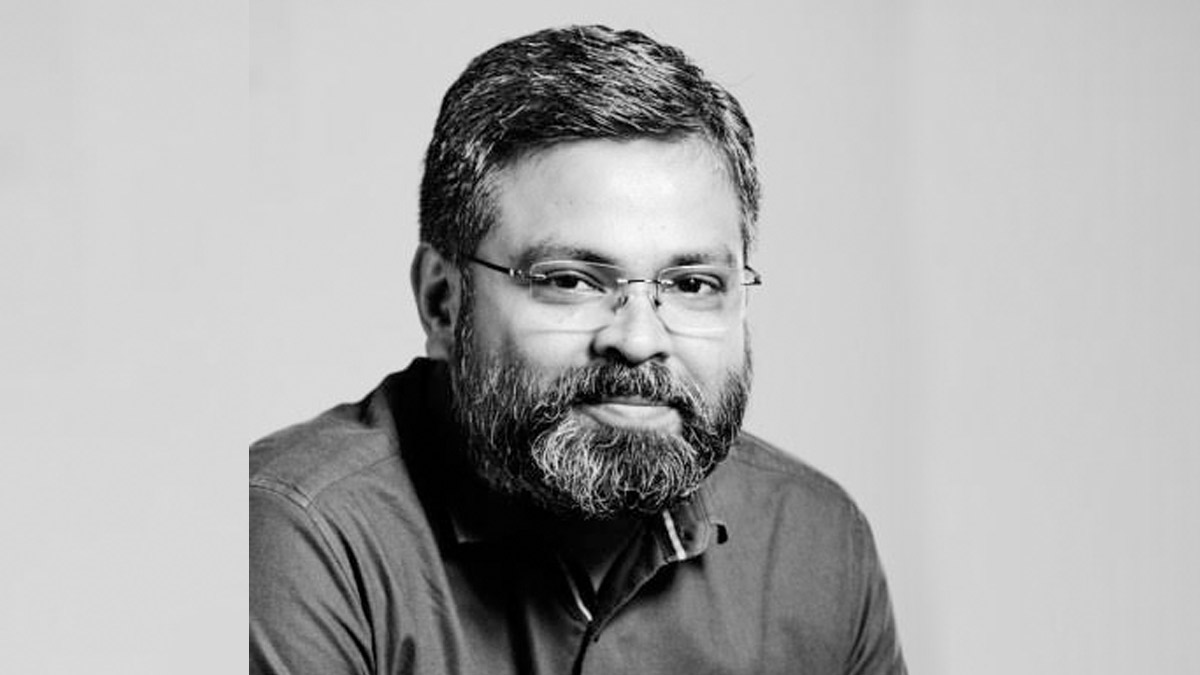
Aman Srivastava steps down as SonyLIV marketing head
Long-time executive exits after leading digital business marketing since 2015.
MUMBAI: When the credits start rolling on a long and successful chapter, even seasoned marketers know it’s time for the next scene. Aman Srivastava has stepped down as senior vice-president and head of marketing for the OAP digital business at SonyLIV, part of Sony Pictures Networks India, according to sources. Srivastava had been associated with the network since 2015. In his most recent role, he led marketing for SonyLIV and oversaw its digital business. This marked his second stint with Sony Entertainment Television.
Before rejoining Sony, he served as head of marketing for the youth and movie channel business at The Walt Disney Company in India. His earlier experience includes roles as Director of marketing for international markets and syndication at Viacom18, along with marketing positions at Turner International India and Zee Telefilms. He began his career in media planning at Mediacom.
Over nearly a decade at SonyLIV, Srivastava played a key part in shaping the platform’s marketing strategy during a period of rapid growth in India’s streaming space. His departure marks the end of a significant innings in one of the country’s competitive digital entertainment battles.
From media planning to steering SonyLIV’s brand voice, Aman Srivastava has enjoyed a well-scripted career in Indian television and streaming. As one chapter closes, the industry will be watching to see where this seasoned storyteller heads next.

Brands
AI becomes key tool for Indian travellers, Agoda report finds
68 per cent plan to use AI for trips as 33 per cent already rely on it.
MUMBAI: Holiday planning is getting a software upgrade less “Where should we go?” and more “What does the algorithm say?” Indian travellers are increasingly turning to artificial intelligence to map their journeys, with new data from Agoda’s 2026 Travel Outlook Report suggesting that AI is fast becoming central to how trips are imagined, planned and booked.
While 33 per cent of respondents said they already use AI tools for travel planning, a far larger 68 per cent indicated they are likely to rely on it for their next trip pointing to a sharp acceleration in adoption in a market already comfortable with digital-first travel.
What travellers want from AI, however, goes well beyond basic search. The report shows 38 per cent are looking for recommendations on local attractions and activities, while 37 per cent expect personalised itineraries. Destination discovery remains a key use case at 29 per cent, with dining suggestions (23 per cent) and budget management (22 per cent) also emerging as practical applications.
The shift reflects a broader change in expectations AI is no longer a novelty but a planning companion expected to work across every stage of the journey, from inspiration to execution.
Trust levels appear to be keeping pace. Nearly 88 per cent of respondents said they either trust or feel neutral about AI-generated recommendations, including 53 per cent who expressed clear confidence. This builds on earlier trends, with Agoda’s 2025 survey showing nine in ten Indian travellers already using apps to book travel suggesting AI adoption is more evolution than disruption.
The company has been testing this appetite through initiatives such as its 2025 AI-powered Vacation Planner campaign, which generated customised itineraries and visuals based on user inputs, delivered with a layer of celebrity-led engagement.
For platforms like Agoda, which aggregates more than 6 million properties, over 130,000 flight routes and 300,000 travel activities, AI offers a way to navigate scale without overwhelming users turning abundance into relevance.
As AI continues to embed itself into everyday decision-making, India is emerging as a market where travel planning is not just going digital, but decisively intelligent.