Digital
Ad to the Future Google revs up AI to rewrite the rules of marketing

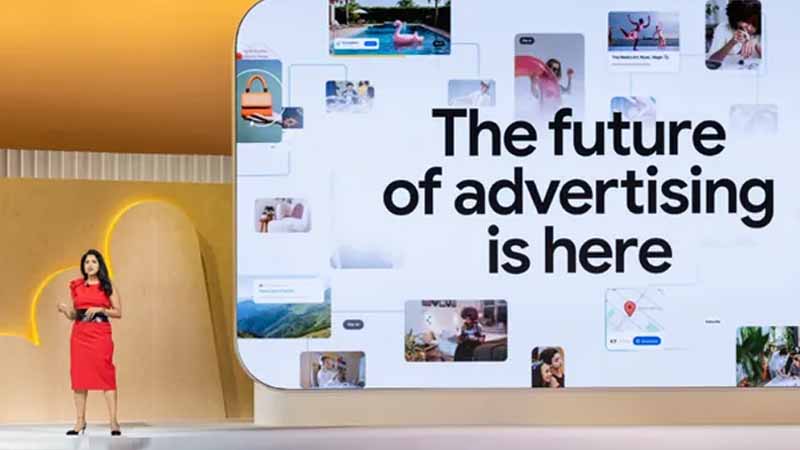
MUMBAI: Who needs a crystal ball when your ads can now predict, create and convert, all thanks to AI? At its annual Google Marketing Live event, Google rolled out a wave of AI-powered advertising tools designed to flip the marketing playbook from reactive to proactive. From smarter bidding and creative generation to shoppable TV and AI-driven search ads, the tech giant is giving Indian marketers a suite of tools to anticipate consumer behaviour, not just respond to it.
“The purchase journey isn’t a straight line anymore, it’s a maze of swipes, scrolls and searches,” said Google India MD for digital first businesses Roma Datta Chobey. “Our new launches help brands cut through the chaos, scale creativity, and reach the right people at the right time with precision and impact.”
Here’s what’s turning heads:
Smarter Shopping, Streamlined Selling
● Shoppable CTV lets users buy products right from their smart TVs using QR codes or “send to phone” options.
● Youtube Masthead is now shoppable on mobile, giving brands high-visibility, click-to-cart impact.
● Ads in AI Overviews will soon roll out in India, inserting Search and Shopping ads directly within AI-generated search summaries.
AI-Powered Creativity with “Generated for You”
● Set to launch in Product Studio later this year, this tool will generate images and videos based on product catalogues, trends, and brand identity no design skills required.
Performance Max Retention Only Mode
● In beta in India, this lets brands focus solely on re-engaging existing users. Swiggy tested it and saw a two-thirds reduction in cost for bringing users back to the app.
AI Max for Search
● Now live in India, it’s a one-click booster that learns from your site and existing keywords to serve smarter, more relevant ads. Cashify reported a 15 per cent conversion bump in early trials.
Smart Bidding, Smarter Insights
● A major bidding update now helps brands uncover less obvious conversion paths, with testers reporting an 18 per cent increase in new query categories that convert.
Meridian Gets an Upgrade
● Google’s open-source Marketing Mix Model (MMM) will now include a dynamic scenario planner and more frequent access to key reach/frequency data via API.
AI Agents in Ads & Analytics
● New “agentic” AI tools will soon help with campaign setup, keyword strategy, and performance reporting inside Google Ads and Analytics, using conversational prompts and visuals.
For early adopters like Swiggy, the tools have already shown impact across the funnel from creative acceleration to better cost efficiency and growth in new user cohorts.
As marketers juggle non-linear journeys across screens, platforms and attention spans, Google’s AI arsenal aims to give them not just tools, but an edge where insights spark action, and creativity scales without compromise.
In the race for attention, Google isn’t just offering ads. It’s offering answers.