iWorld
Lock Upp: Sach Ya Sazaa clocks 50m viewing hours and Netflix stretches it to seven days a week
Netflix and Balaji Telefilms’s captive reality format turns Fridays into a national appointment, with 2.5bn views and viewers across 12 countries tuning in


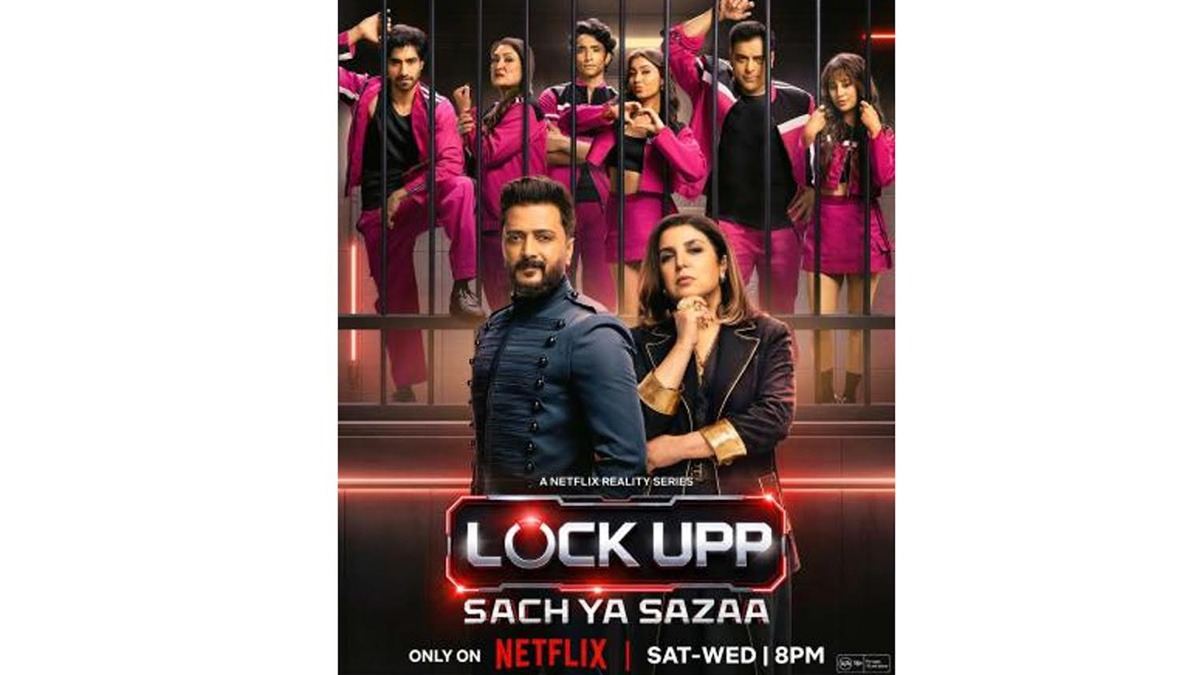
MUMBAI: Three weeks in, and Netflix’s Lock Upp: Sach Ya Sazaa has done what most reality formats only dream of: it has crossed 50m viewing hours and forced the streamer to change its own release calendar twice. Launched as a five-day-a-week show, it was bumped to six episodes within its first week after what Netflix calls an overwhelming response, and it is now being stretched to a full seven-day run through to the finale. Fridays, in the words of the release, became synonymous with one question, “what do we watch today”, which is about as clean a definition of a cultural moment as television marketing copy gets.
The numbers behind the buzz are hard to argue with. The show, a collaboration between Netflix and Balaji Telefilms, has generated 2.5bn views on social media and sparked more than 3m conversations online, according to the streamer. Monika Shergill, vice-president, content, at Netflix India, said, “When a show sparks conversations about topics that people care about but hesitate to discuss openly, you know you’ve done right by your audience.” She went further, calling it “a psychological experiment playing out in real time with contestants confronting their traumas, owning their truths and coming out with their raw and real personalities while being relatable to the audiences.” Shergill added that crossing 50m view hours in three weeks was “an incredible milestone,” but that what excited her more was that “Indian non-fiction storytelling is clearly finding a truly global audience, with viewers across 12 countries tuning in and making it their own.”
Much of the show’s staying power comes down to its meme economy. Moments such as “Premium Thali,” Ram Kapoor’s “Can I get water?”, Shilpa Shinde’s “Down your finger,” Harshad Chopda’s transformation from “Pookie Chopda” to “Spooky Chopda,” and Pamela Serena’s “Tu bada 21 saal ki hai” have taken on lives of their own across reels and creator content, which is precisely the kind of organic amplification that money cannot reliably buy. Creator Ekta Kapoor credited the partnership itself for that outcome, saying, “For a format like Lock Upp, I don’t think we could have found a better partner than Netflix,” adding that she felt “an equal sense of ownership and accountability from the entire Netflix team.” She said the shared commitment to the format had transformed it “into more than just a reality show, it became a cultural conversation,” and that watching it travel internationally was “a testament to the power of authentic storytelling, bold and disruptive entertainment, and the universal appeal of stories that spark conversation.”
The show’s jailors have turned out to be as central to its appeal as the inmates. Farah Khan, who co-hosts alongside Riteish Deshmukh, did not hold back on her enthusiasm, saying, “Everyone knows I’m obsessed with reality TV, so when I say Lock Upp is the best captive reality show I’ve ever watched, not just hosted, you know I mean it.” She described being recognised everywhere from film sets to airports, adding that Lock Upp “isn’t just about confrontations, it’s about transformation,” and thanking Netflix for “giving me my dream job.” Deshmukh struck a more reflective note, saying, “The response from audiences has been phenomenal, and crossing 50 million viewing hours is a testament to how deeply people have connected with Lock Upp.” He added that the experience had been “deeply personal,” noting, “you can’t script emotions like that, and I think that’s what has made the show connect with so many people,” while praising the Netflix and Balaji teams for “continuing to push the boundaries of captive reality.”
What the numbers ultimately point to is a homegrown format finding genuine international traction rather than merely domestic virality, a distinction that matters as Indian streamers and studios chase global relevance for non-fiction content specifically, a genre that has historically travelled less well than scripted drama. With the finale approaching and the schedule now a daily fixture, Lock Upp looks set to close its run as a template case study for how a local reality format, built around raw confession and unscripted conflict, can be engineered into a genuinely global conversation.