iWorld
How Broadcast, OTT and Smart TV Ecosystems Are Redefining India’s Content Economy
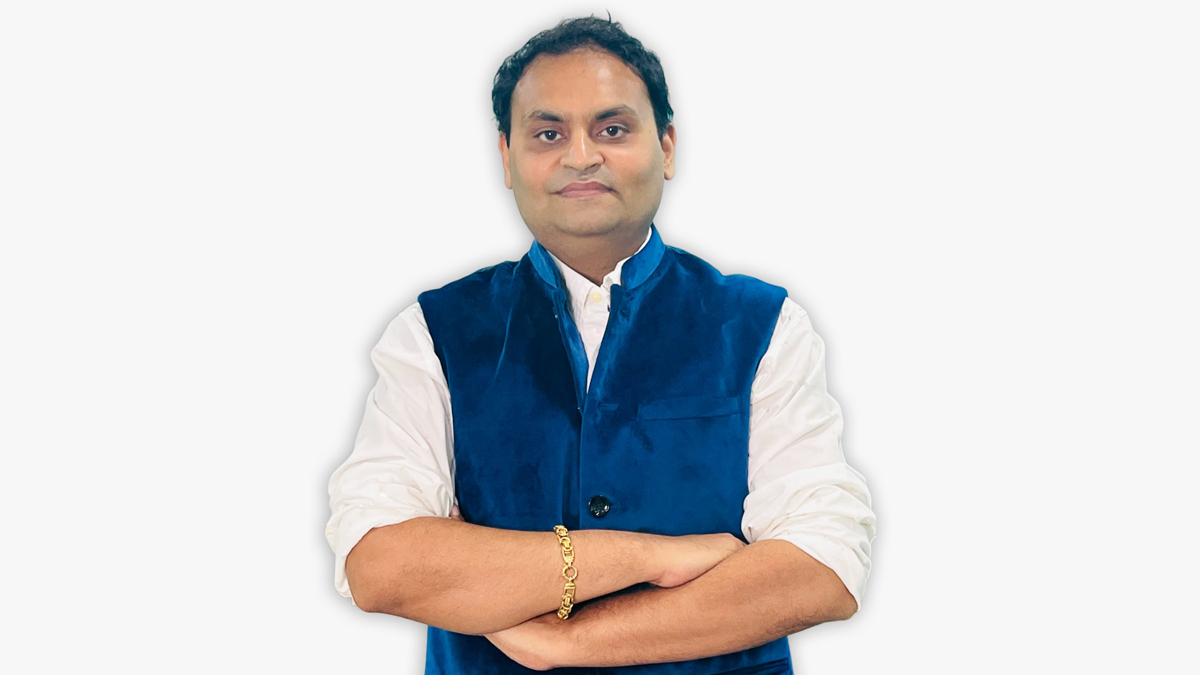
By Apurv Modi, Managing Director & Co-founder, Abhay Group.


MUMBAI: The Indian media and entertainment industry is entering what I believe is its most defining phase yet. For decades, broadcasting, digital streaming, and device ecosystems operated in parallel lanes. Television dominated mass reach, OTT platforms drove digital disruption, and device manufacturers focused on hardware innovation. Today, those boundaries are dissolving. We are firmly in the convergence era, where broadcast, OTT, and Smart TV ecosystems are not competing with one another but evolving into interconnected distribution and monetisation networks.
This shift has been driven largely by changing audience behavior. Indian viewers no longer distinguish between television content and digital content. They distinguish between convenience and relevance. A consumer may watch a live sports broadcast on television, shift to an OTT platform for a web series, and explore short form or interactive content on a mobile device, all within the same day. The expectation is seamless access, personalized discovery, and uninterrupted experiences across screens.
Broadcast television continues to hold immense power in India, particularly when it comes to scale. Live events, news, and appointment viewing still command massive audiences. However, broadcasting is no longer defined only by linear programming schedules. Broadcasters are increasingly becoming content ecosystem operators. Many networks now extend their presence through OTT apps, catch up television services, and digital first programming strategies.
From my perspective, the real transformation lies in how broadcasters are leveraging digital intelligence to complement traditional reach. Data driven audience insights, once exclusive to digital platforms, are now influencing programming decisions, advertising formats, and distribution partnerships. Broadcast is no longer blind mass communication. It is becoming smarter, measurable, and audience responsive.
OTT platforms, on the other hand, have matured beyond their early disruption phase. Initially positioned as alternatives to television, they are now becoming collaborative partners within the media ecosystem. Co productions between broadcasters and OTT platforms are increasing, allowing content to travel across formats and audiences more efficiently. A show may premiere digitally and later find television distribution, or vice versa, extending lifecycle value significantly.
This collaboration has also reshaped content economics. High quality storytelling requires substantial investment, and shared production ecosystems allow stakeholders to mitigate risk while expanding reach. Regional content has particularly benefited from this model. Stories rooted in local culture are now capable of achieving national and even international visibility through multi platform distribution strategies.
Smart TVs have emerged as one of the most important catalysts in this convergence journey. The living room experience is undergoing a quiet but powerful reinvention. Consumers no longer view television as a single source of entertainment. Smart TVs have transformed the largest screen in the home into an application driven hub where broadcast channels, OTT platforms, gaming environments, and interactive services coexist.
In many Indian households, Smart TVs are bridging generational viewing habits. Traditional audiences continue watching linear television while younger viewers access streaming content or gaming applications on the same device. For advertisers and content owners, this creates unprecedented opportunities for unified engagement strategies.
Brand monetisation is evolving rapidly within this ecosystem. Earlier, advertising models were largely separated between broadcast GRPs and digital impressions. Today, advertisers are looking for integrated visibility across platforms. Smart TVs allow brands to combine the emotional impact of television storytelling with the precision targeting capabilities of digital advertising.
Addressable advertising is becoming increasingly relevant in this context. Instead of broadcasting identical advertisements to every household, brands can deliver customized messaging based on viewing behavior and demographics. This approach improves efficiency for advertisers while enhancing relevance for audiences.
Another important development is the rise of interactive advertising formats. Viewers can now engage directly with branded content through remote enabled actions, QR integrations, or connected mobile journeys. The television screen is no longer a passive medium. It is becoming transactional and experiential.
Content aggregation and distribution strategies are also being redefined. Technology enablement plays a central role here. Aggregators are creating unified discovery environments where audiences access multiple OTT services alongside broadcast offerings. This simplifies consumer experience while strengthening platform stickiness.
From a business standpoint, monetisation models are diversifying rapidly. Subscription revenue remains important, but advertising supported streaming, hybrid subscription tiers, commerce integrations, and brand partnerships are gaining momentum. In some cases, gaming ecosystems and interactive experiences linked to content are opening entirely new revenue streams.
In my experience working across content distribution, mobility enablement, and emerging technology ecosystems, collaboration will determine long term success. Media companies, telecom operators, device manufacturers, advertisers, and technology providers must align strategies to build scalable ecosystems rather than isolated platforms.
India holds a unique advantage in this transformation. Our digital adoption curve has been incredibly fast, supported by affordable data access and a young, mobile native population. At the same time, television penetration remains strong across urban and rural markets. This dual strength allows India to lead hybrid distribution models that combine scale with personalization.
The convergence era is not about replacing one medium with another. It is about integration. Broadcast provides trust and reach. OTT delivers flexibility and personalization. Smart TVs unify experiences within the home environment. Together, they are redefining how stories travel and how brands create meaningful connections with audiences.
As content creators and technology innovators, our responsibility is to ensure that convergence enhances accessibility, creativity, and sustainability. The future of media in India will belong to those who understand that distribution is no longer a channel decision. It is an ecosystem strategy built around audiences who expect entertainment to follow them seamlessly wherever they choose to engage.