
iWorld
Blackcab Agency Network wins Avion India digital mandate
Creative agency to lead social strategy, content and performance marketing for aviation training centre.


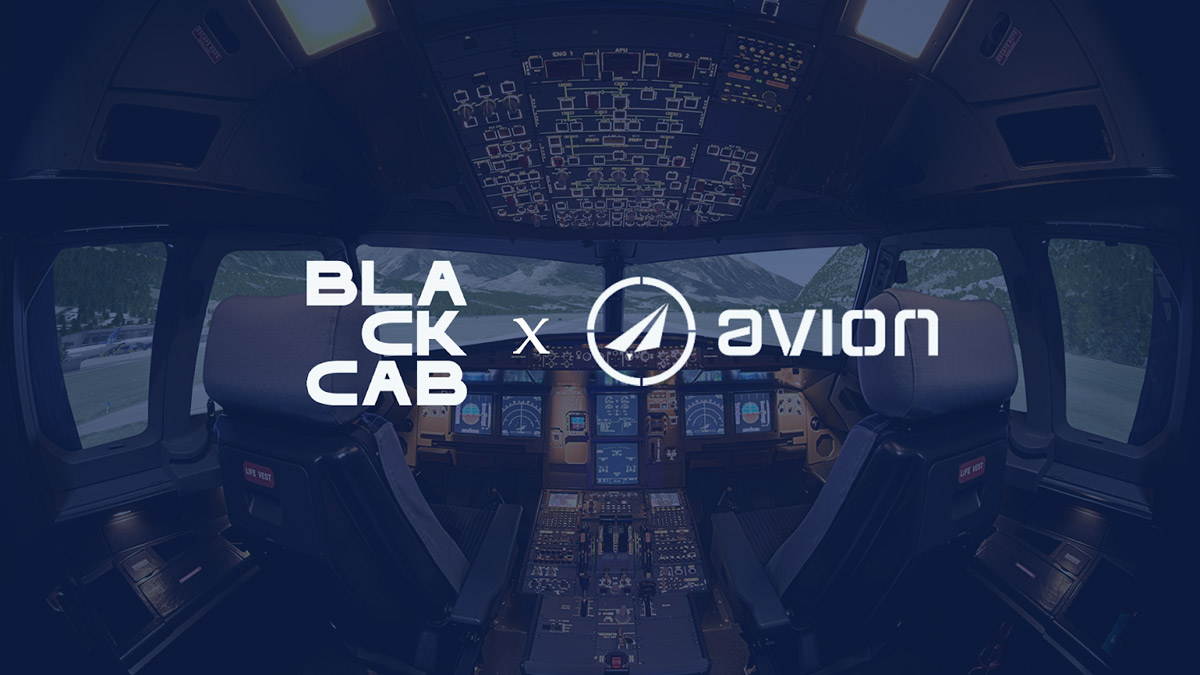
MUMBAI: Blackcab just took off with a high-flying client because when your brand needs altitude in digital skies, you don’t wing it, you hire the jet fuel. Blackcab Agency Network has been appointed as the digital strategy and brand building partner for Avion India, Mumbai’s first DGCA-approved full flight training simulator facility located at Juhu Airport.
The mandate sees Blackcab handling Avion India’s end-to-end digital presence, including social media strategy (Instagram, Facebook, Linkedin, Youtube), content creation, performance marketing and campaign execution. The agency will produce on-site content showcasing simulator sessions, student journeys and behind-the-scenes glimpses of pilot training.
The partnership arrives as India’s aviation sector experiences robust growth, with rising demand for skilled pilots and aviation professionals. Blackcab’s role will be to translate Avion’s technical training environment into compelling, aspirational digital narratives that connect with students exploring careers in aviation.
Blackcab Agency Network co-founder Aayush Bansal said, “Our role with Avion India is not just to tell a story, but to build a structured digital ecosystem that drives measurable results. From managing social platforms to creating performance-led campaigns, we are ensuring every touchpoint builds awareness, engages aspiring pilots, and supports student intake.”
Avion India director Parth Mulay added, “We started Avion with a simple vision, to build a training environment where pilots truly feel prepared for real airline operations. Blackcab has helped us present our simulators, infrastructure, and the real pilot journey in a way that feels authentic and inspiring for aspiring pilots.”
The appointment marks Blackcab’s expansion into the aviation training sector while strengthening its portfolio across diverse industries.
In a sky where ambition needs clear runway signals, Blackcab isn’t just flying the brand, it’s giving future pilots the digital navigation they need to soar.






