iWorld
Big Boy Toyz partner with Dharmatic Entertainment for Netflix
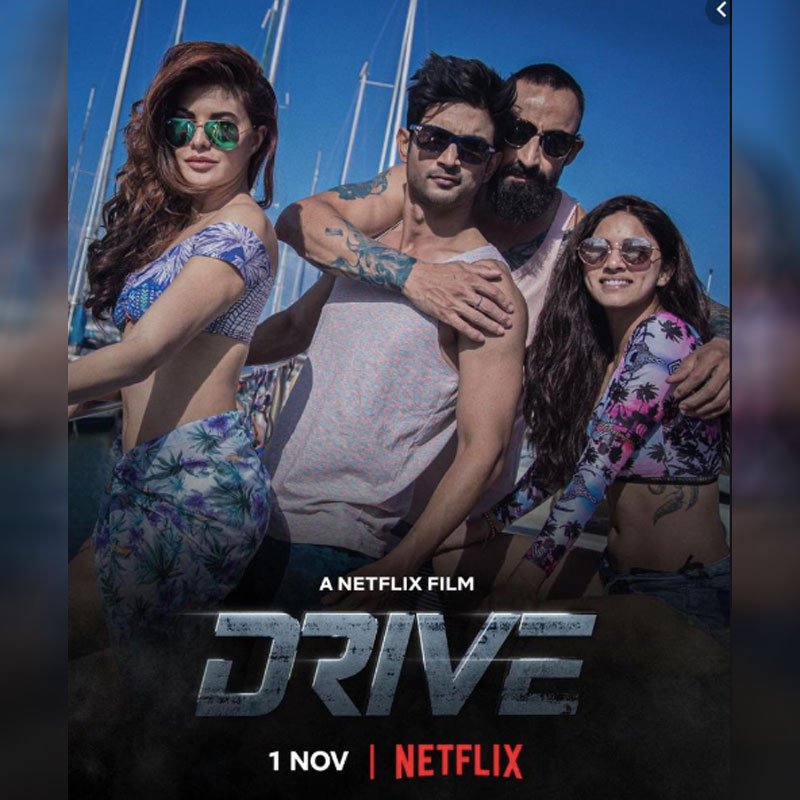
MUMBAI: Dharmatic Entertainment and Big Boy Toyz, Delhi’s most trusted pre-owned luxury cars hub, partnered for former’s action film on Netflix. The film, Drive, showcased some of the best keeps of Bog Boy Toyz that were used in many high-speed chases and over-the-top stunts.
Karan Johar has had a track record of making top-notch films and telling stories that resonate with people from all around the world. As for Netflix and Dharma Productions, their relationship is even stronger. Both Netflix and Johar have been working together since 2018, starting with the film Lust Stories and going on to create other much-loved films such as Ghost Stories and Guilty.
Big Boy Toyz Founder and MD Jatin Ahuja said, “For us, this was a breakthrough since partnering with Karan who has an innate sense of what people want to see on screen helped us offer our best performances. I was and I am super excited about this opportunity and the kind of possibilities it holds for our franchise in the Bollywood industry.”
Written and directed by Tarun Mansukhani and led by Sushant Singh Rajput and Jacqueline Fernandez, the film is spin chilling rough thriller that can drive even the most undemanding Bollywood fan up the divider with its blend of speed, lust for money and crazy pursuits. It is the kind of film where a variety of luxury cars have no issue in placing the actors and actresses on-screen in the shade. A sizeable level of the film's chief characters is either renowned racers in their big toys or are individuals who hold the aspiration become one.
In all, it is a wild combination of India’s greatest storytelling franchise and a popular retail brand for pre-owned luxury cars and the same could be see in the movie sequences as well.

e-commerce
American Express to acquire AI startup Hyper to boost automation
Deal targets expense management as AI reshapes corporate spending tools.
MUMBAI: From receipts to robots, the expense sheet is getting a brain upgrade as American Express moves to bring artificial intelligence into the heart of corporate spending. The company has announced plans to acquire Hyper, a relatively young but fast-rising startup founded in 2022 that builds AI-powered agents capable of organising expenses, generating reports, verifying compliance with budgets and policies, and nudging users with timely reminders. The deal, expected to close in the second quarter of 2026, underscores a growing shift among financial institutions to automate traditionally manual, time-heavy workflows.
Hyper counts Sam Altman among its backers, adding a layer of Silicon Valley credibility to the acquisition. While financial details remain undisclosed, the strategic intent is clear: deepen automation capabilities and sharpen American Express’s position in the competitive corporate spending ecosystem.
The two companies are not strangers. They previously collaborated in 2024 on a co-branded credit card product, suggesting that the acquisition is less a cold buy and more an extension of an existing relationship. With this move, American Express is effectively bringing that capability in-house, aiming to embed AI directly into its commercial services stack.
Chief executive Stephen Squeri had already signalled the direction of travel in a recent shareholder letter, describing AI as a “structural shift” in how businesses operate. The Hyper acquisition appears to be a direct response to that shift, particularly in expense management, where processes such as approvals, compliance checks and reporting remain ripe for automation.
Alongside the acquisition, the company is also expanding its product suite. A recently launched business credit card offers cashback and benefits at an annual fee of $295, with another card expected later this year moves that complement its broader push into commercial services.
Taken together, the strategy points to a future where managing expenses may require fewer spreadsheets and more algorithms. For American Express, the bet is simple, if businesses are rethinking how work gets done, the tools that power that work need to evolve just as quickly.