iWorld
Arafta Season 2 greenlit as YouTube hit crosses 850 million views
GoQuest, Rains double down on global Turkish drama success story


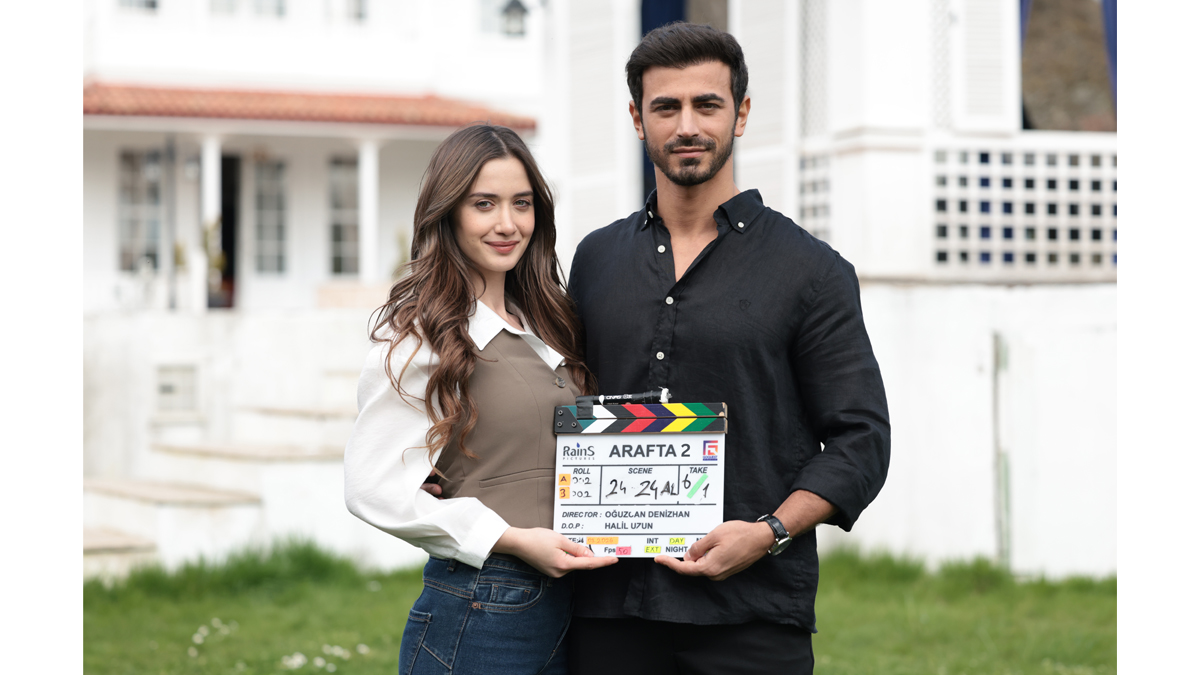
MUMBAI: GoQuest Media and Rains Pictures have greenlit Season 2 of Arafta, riding on the runaway success of its debut season that has clocked over 850 million views on YouTube and secured licensing deals across 19 territories.
The upcoming season, already in production, will span 100 episodes and continue with a YouTube-first release strategy, a model that has proved to be a quiet disruptor in global content distribution. Season 1, which premiered in November 2025, built a strong digital following before translating that traction into international deals.
The series is currently licensed to platforms including Amazon MX Player in India, Kanal 7 in Turkey, and Vidio, along with several markets across Europe such as Romania, Hungary and Latvia. Across five language channels, the show has amassed more than 2.5 million subscribers, signalling growing global appetite for Turkish storytelling.
Notably, many of these licensing deals were struck after the show had already aired on YouTube, flipping the traditional distribution model on its head. Instead of competing with broadcasters, the digital-first strategy appears to be doing the heavy lifting in building awareness and audience demand.
GoQuest Media managing director Vivek Lath said, “Arafta is proving out what we believed about the make-to-sell model. A YouTube-first release does not compete with licensing. It builds the asset that licensees are buying.”
Season 1 wrapped on April 17 with a globally streamed finale that drew over 102,000 concurrent viewers, setting the stage for the next chapter. Lead actors İlsu Demirci and Emin Günenç will return, with the narrative continuing to explore themes of love, vengeance, sacrifice and fate.
Rains Pictures executive Sevda Kaygısız said the decision to move quickly into Season 2 was driven not just by success, but by the depth of the story still to be told. “Arafta is not just a successful project for us; it reflects our belief in powerful storytelling and building a genuine emotional connection with audiences,” she noted.
As Turkish dramas continue to travel beyond borders, Arafta’s success underscores a larger shift in how global hits are made and sold. In this case, the small screen found its big moment online first, and the world followed.