MAM
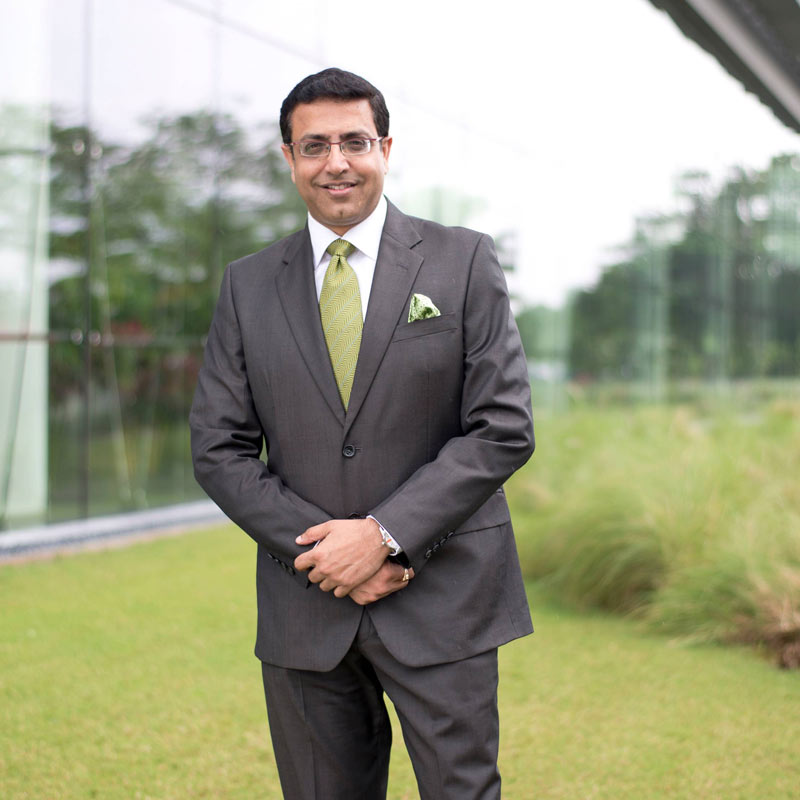
GCPL’s Sunil Kataria is ISA’s new chairman
MUMBAI: The newly elected executive council of the Indian Society of Advertisers (ISA) has recently elected Godrej Consumer Products SAARC and India -business head Sunil Kataria as the chairman.
On his election, Kataria said, “Our focus would be to deliver the desired benefit to the advertisers and other stakeholders. I look forward to working with all and make this a credible, meaningful and business impacting ecosystem.”
Kataria joined GCPL in 2011 to oversee the sales and marketing organisation for the India and SAARC businesses. He has diverse work experience across FMCG and consumer services sectors in sales, marketing and business. He had a stint of 12 years at Marico Industries.
Other members of the Executive Council are as follows:
Atul Agrawal, SVP-Corporate Affairs, Group Corporate Communications, Tata Services
Anuradha Aggarwal, Chief Marketing Officer, Marico
Abraham Mathew Alapatt, President & Group Head-Marketing, Service Quality, Financial Services & Innovation, Thomas Cook (India)
Narendra Ambwani, Director, Agro Tech Foods
Ajoy H Chawla, Sr. VP, Chief Strategy Officer, Titan Company
Paulomi Dhawan, Advisor, Raymond
Sonali Dhawan, Brand Director, Procter & Gamble Hygiene & Health Care
Chandru Kalro, Managing Director, TTK Prestige
Sandeep Kataria, Director – Commercial, Vodafone India
Sandeep Kaul, Divisional Chief Executive – India Tobacco Division, ITC
Sandeep Kohli, Executive Director – Personal Care, Hindustan Unilever
Beena Koshy, Executive VPr, Advertising, Digital & Branding, Bajaj Electrical
Bharat V Patel, Independent Director, Birla Sun Life Asset Management Company
Prashant Richard Peres, Director Marketing Chocolate, India, Mondelez India Foods
Ramakrishnan Ramamurthi, Vice-Chairman, Joint MD & Group CEO, Polycab Wires
Samardeep Sunil Subandh, Chief Marketing Officer, Flipkart
Amit Tiwari, Director, Philips India
Brahm Vasudeva, Chairman, Hawkins Cookers
ISA has advertiser members from across industries who contribute to approximately over two-thirds of the annual national non-governmental ad spends. ISA played a significant role in the formation of BARC and is closely partnering with it towards advertisers getting robust and credible data.

MAM
Deepfakes target women in 93 per cent of cases, report finds
Pi-labs study shows 900 per cent rise in female-focused synthetic media; India sees 60 per cent jump in cybercrime complaints.
MUMBAI: Deepfakes aren’t just fooling cameras, they’re hitting women hardest, turning pixels into a new kind of weapon. A new report from creator intelligence platform Pi-labs has revealed that nearly 93 per cent of deepfake victims are women, with deepfake content targeting females surging 900% in recent years. The findings paint synthetic media as a fast-escalating digital threat with a stark gendered impact.
In India, cybercrime complaints involving women rose from about 50,000 in 2024 to nearly 80,000 by 2026, an increase of roughly 60 per cent in just two years. Almost 98 per cent of deepfake pornography is aimed at women, often powered by face-swapping apps and bot networks that disproportionately target females, including school-age girls. Victims typically fall in the 18–30 age group, with Bengaluru reporting a growing share of cases.
Globally, 62 per cent of deepfake abuse cases involving women go unreported due to stigma, in India, over one-third of women facing online harassment take no action, and many reduce their digital presence after abuse. Close to 33 per cent of women remain unaware of protective laws.
City-level trends show Bengaluru leading with nearly 30 per cent of complaints, followed by Hyderabad (14 per cent), Mumbai (13 per cent), Chennai and Kolkata (5 per cent each), and Delhi (3 per cent).
Pi-labs, CEO and founder Anukush Tiwari said, “AI is one of the most powerful technologies of our time, but like every powerful tool, it reflects the intent of those who use it. We are witnessing a growing trust deficit in digital spaces, where identity can be manipulated within minutes and reputations can be damaged overnight.”
Image morphing and deepfake videos remain the most common forms of misuse. The report also notes a new trend: fully AI-generated female personas (not based on real individuals) gaining high engagement on social platforms, raising questions about digital credibility.
Detection remains challenging due to widespread generative tools and rogue creators. Industry estimates suggest over 5,000 face-swap tools and more than 1,000 voice-cloning applications are accessible online.
pi-labs offers pi-authentify, an AI-driven detection system that scans media for generative markers and provides authenticity scores, as well as Namokavach, a verification portal delivering confidential assessments within two working days. The Payal gaming case was resolved using pi-authentify’s forensic analysis.
The report urges minimising digital footprints and adopting detection tools to limit replication risks. It frames the gendered impact of synthetic media as an urgent digital safety issue requiring coordinated action from individuals, platforms and technology providers.
In a world where faces can be borrowed in seconds, the real crime isn’t just creation, it’s the silence that follows, and women are paying the heaviest price.