iWorld
Qyuki partners Flipkart to create VR fashion video


MUMBAI: Qyuki Media has collaborated with Flipkart to bring its newest creation – a 360-degree fashion video titled ‘Mera Joota Hai Japani’ with spatial audio featuring the digital superstar Arjun Kanungo.
In this all-round immersive experience, the new song used a refreshed rendition of the classic hit. Spatial sound allows the user to hear a different version of the soundtrack by simply turning around. This technology has never been used by a brand in a music video before. The interactive content allows the viewer to explore 360 degrees of the video to see the latest fashion trends from Flipkart in an innovative manner.
Through this video, Qyuki and Flipkart have created a groundbreaking concept for brands and enabled Flipkart to deliver a special 360 degree video with different audio themes to its customers. Combined with the technological prowess of YouTube, the video is a showcase of cutting-edge innovation on the internet.

This is the third in a series of projects Qyuki has been spearheading with Flipkart, after a successful gamified music video with Rapper Ishq Bector’ and a second track with musical duo Maati Baani
Qyuki co-founder and MD Samir Bangara shared, “We have created a brand new way of consuming content for Flipkart. It is not only important to innovate on the ideas end but also on the technology front. With Flipkart, we have created a stellar experience that will transport customers to an immersive world of fashion to pique their curiosity. We are stoked to be associated with a strong brand who has its customer’s best interests at heart.”
Flipkart CMO Shoumyan Biswas commented, “Flipkart is the market leader in fashion amongst all online businesses. Our vision is to be India’s most preferred destination for trendy and affordable fashion and our category communication task is to ‘Democratize Trendy Fashion’ for every Indian consumer.”
“In our endeavor to showcase trendy fashion in an interesting and innovative format, we have engaged with Qyuki & Google to come up with a first of a kind 360 degree music video that combines a new technology with the evergreen music classic – “Mera joota hai japaani” – and latest fashion trends. Our fashion is for everyone and hence we wanted the right technology to enable the same being experienced by all. This video will revolutionize the way consumers across various demographics view and experience trendy fashion,” Biswas said.







iWorld
Spotify rolls out ‘Verified by Spotify’ badge for artists
New badge and profile details aim to boost transparency in AI-driven music era.
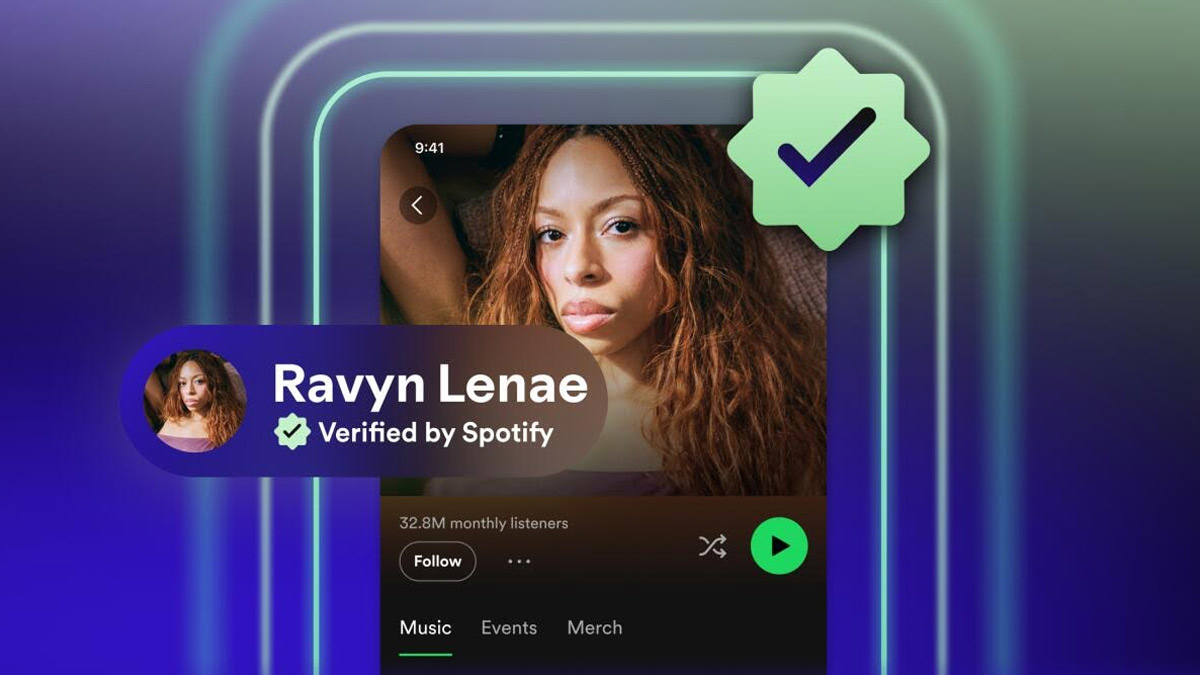
MUMBAI: In a world where even playlists can have imposters, Spotify is adding a badge of trust. The streaming platform has begun rolling out a new ‘Verified by Spotify’ badge, alongside expanded artist profile details, as it looks to bring greater clarity to listeners navigating an increasingly complex mix of human and AI-generated music. The badge, currently in beta, will appear on artist profiles that meet Spotify’s internal criteria for authenticity. These include consistent listener engagement, adherence to platform policies and signs of a real-world presence such as live performances, merchandise or active social media profiles. Notably, profiles representing primarily AI-generated artists will not be eligible for verification at launch.
Spotify says the verification process will combine automated systems with human review, prioritising artists with sustained audience interest over those driven by short-term spikes. The rollout will be gradual, with the badge appearing across profiles and search results over the coming weeks. The company noted that more than 99 per cent of artists users actively search for are already included in the initial phase.
Alongside the badge, Spotify is also introducing a new artist details section within profiles. Available even for non-verified artists, the feature will highlight career milestones, release activity and touring history, offering listeners a more comprehensive view of an artist’s journey and output.
The move builds on Spotify’s broader push towards transparency, complementing existing features such as SongDNA, expanded song credits and AI attribution tools. Together, these updates aim to give users more context about what they are listening to and who is behind it.
As generative AI continues to blur the lines between creator and creation, Spotify’s latest update signals a clear intent: in the streaming era, authenticity is becoming just as important as accessibility.