Gaming
SuperGaming’s Indus Inferno Finale: Marcos Gaming and TWOB sign Indus rosters
Mumbai: SuperGaming, a game developer has concluded its nationwide grassroots esports tournament Indus Inferno with a resounding success. The tournament finale drew in aspiring esports athletes from across the country to participate in this epic showdown. Scouts from more than ten leading esports organisations were also in attendance, resulting in 2 roster signings and ongoing discussions with other teams.
Team MOGGERS emerged victorious, taking home the grand prize of Rs 2,50,000 and claiming the coveted trophy. The runners-up DGE (Destruction of Game), secured Rs 1,00,000, while Insane Esports and Marcos Gaming walked away with Rs. 75,000 and Rs 50,000 respectively. Igor from Team MOGGERS was crowned the MVP (Most Valuable Player) of the finale, winning Rs 25,000 for their stellar performance.
“The kind of participation and enthusiasm we witnessed during the Indus Inferno Finale was truly rewarding,” said SuperGaming CEO and co-founder Roby John. “The tournament showed a strong desire for a top-tier, Indian-made battle royale. We are thrilled to have provided a platform for aspiring esports athletes to showcase their talent and this is just the beginning of our journey to build a sustainable esports ecosystem in India”, he added.
The finale saw 15 teams competing for victory. four teams received exclusive invitations, 10 teams earned their spots through intense open qualifiers, and 1 team advanced via the Android qualifiers. The platform breakdown revealed that 70 per cent of the participants used Android devices compared to 30 per cent on iOS. The tournament attracted players from all over India with 21 per cent of participants hailing from Maharashtra, followed by 12 per cent from Telangana and 10 per cent from West Bengal.
Indus Inferno also served as a launchpad for aspiring esports enthusiasts to showcase their skills to some of India’s top esports orgs, including representatives from Godlike Esports, Revenant Esports, Orangutan, Entity Gaming, Reckoning Esports, Carnival Gaming, Chemin Esports, True Rippers, Enigma Gaming, Team Tamilas, Marcos Gaming, and TWOB.
Notably, Marcos Gaming and TWOB have finalised their rosters for Indus. Overall, the event saw an active engagement with the community, enabling players to share their feedback in real-time with the developers. This aligns with SuperGaming’s player-first approach, which has been the cornerstone of its success.
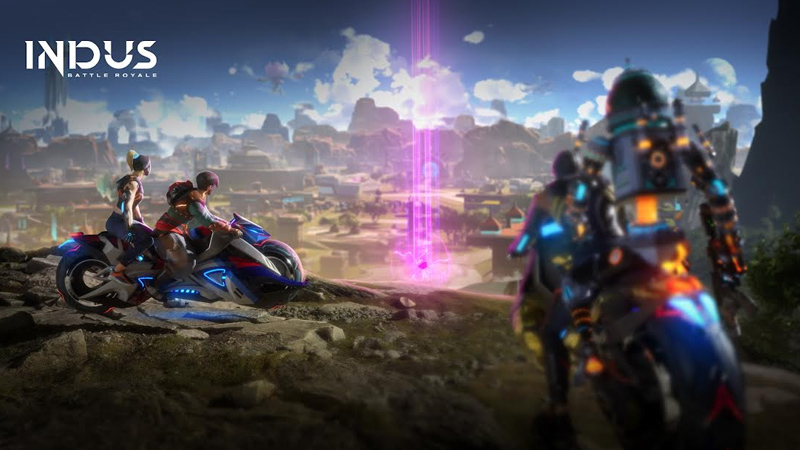
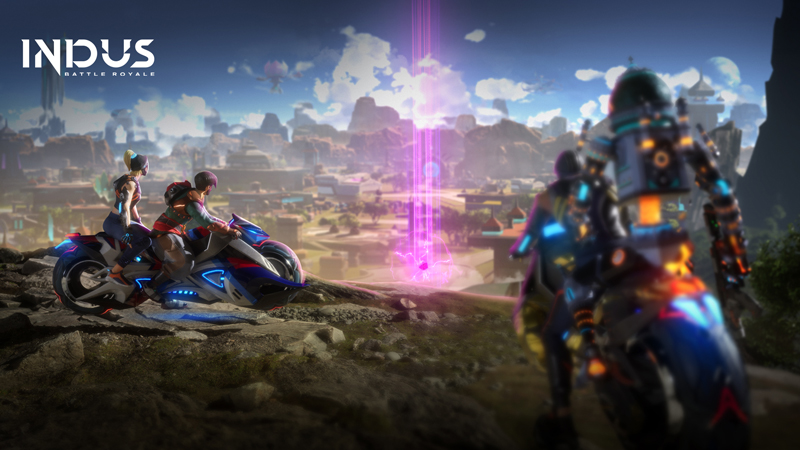
With close to 11 million pre-registrations, the excitement for India’s most anticipated game’s official launch continues to build. Players can pre-register for Indus Battle Royale on the Google Play Store for Android.
How to get access to Indus Closed Beta
Joining the Closed Beta for Indus is now easier than ever! Simply head over to www.indusbeta.com and sign up to join the official waitlist. Once you’re on the list, you’ll receive a direct link to download and play the game as soon as you’re selected.

Gaming
Dream Sports sees 100 plus exits after gaming ban forces overhaul
Company splits into eight units as real money gaming law hits revenue.
MUMBAI: For a company built on fantasy leagues, reality has suddenly rewritten the rulebook. More than 100 employees have exited Dream Sports, the parent of Dream11, after the company reorganised its operations following India’s ban on real money online gaming. The shake up came after the Promotion and Regulation of Online Gaming Act, 2025 came into force in August 2025, prohibiting games where users deposit money expecting winnings. The regulation struck at the heart of the fantasy gaming industry and dramatically affected Dream Sports’ core business, wiping out about 95 percent of its revenue and all of its profits.
In response, the Mumbai based company shifted into what chief executive officer Harsh Jain described as “startup mode”, splitting its operations into eight independent business units in December.
Around 700 employees were reassigned across these newly formed ventures based on their experience and interests. However, roughly 15 percent opted to leave the company.
A spokesperson for Dream Sports said many of those who exited were experienced professionals accustomed to running scaled businesses rather than early stage ventures.
“Since some of these employees were experienced with running high scale businesses and not startups, around 15 percent chose to leave and join other scaled companies or start ventures of their own,” the spokesperson said.
Despite the departures, the company noted that the attrition rate is only slightly higher than its earlier level of around 10 percent before the ban. Dream Sports now has close to 950 employees and is not currently hiring, choosing instead to focus on stabilising its existing workforce.
The restructuring has transformed Dream Sports from a fantasy gaming company into a broader sports entertainment platform. The eight units now operate independently, each focusing on different segments of the sports and technology ecosystem.
These include Dream11, sports streaming platform Fancode, sports travel service DreamSetGo, mobile game Dream Cricket and artificial intelligence initiative Dream Sports AI, which includes sports analytics platform Dream Play.
Other ventures include fintech product Dream Money, open source initiative Dream Horizon and the philanthropic arm Dream Sports Foundation.
As part of cost saving efforts, Dream Sports also relocated its headquarters from Bandra Kurla Complex to Worli earlier this year. The new office, called Dream Sports Stadium, brings teams from its various brands together under one roof to improve collaboration and operational efficiency.
Jain had earlier said the company removed bonus lock in timelines for employees hired in recent years, allowing those who wished to leave to exit with pro rata payouts.
“We want people who are fully into the startup mode and willing to work for it, and we will share that reward if it comes,” he said.
Founded in 2008 by Harsh Jain and Bhavit Sheth, Dream Sports was last valued at 8 billion dollars after raising 840 million dollars in 2021 from investors including Falcon Edge Capital, DST Global, D1 Capital Partners, RedBird Capital Partners, Tiger Global Management, TPG and Footpath Ventures.
The new gaming law has forced several companies in the fantasy gaming sector to either shut down or pivot their business models, signalling a significant reset for one of India’s fastest growing digital entertainment industries.