Brands
Digital the most lucrative channel for FMCG brands: Meta studies


Mumbai: On the sidelines of Meta Marketing Summit – FMCG edition held in Mumbai, the company announced findings from several Meta commissioned studies with leading market research firms Nielsen and Kantar that show the growing relevance of digital for the country’s FMCG sector. Among the key findings, the studies call out digital platforms, especially Meta, a crucial pillar in driving brand imagery, equity, and higher return on investment across categories.
Meta director and head (India), ads business Arun Srinivas said, “The FMCG industry is a leading contributor to the country’s overall ad-ex, and a marked shift in its media consumption patterns is going to be significant for the country’s creative ecosystem and the digital economy. The studies with Neilsen and Kantar clearly demonstrate the transformative power of digital channels for the FMCG sector. Catering to such an important industry, we are excited to see Meta platforms not only enhancing brand imagery and mindshare but also delivering exceptional returns on media investments.”
The Nielsen study noted that the return on investment (RoI), which is the incremental revenue generated per Rupee invested is 1.42 for digital mediums vis-a-vis 0.95 non-digital mediums. Within this, the RoI from Meta is 1.76 for every rupee invested.

On the other hand, the Kantar study reveals that the digital platforms, especially Meta, contribute significantly in building a brand. Meta has been instrumental in driving brand imagery where around 20 per cent of all media-led brand growth comes from Meta. Furthermore, digital media channels led by Meta provide the highest ROI for building mind measures, according to the study.
Both the studies highlight that the investment by FMCG/CPG brands on Meta poses stronger returns indexed to traditional channels across categories including food, household care, personal care, baby care, laundry, and health & hygiene.
The summit was attended by prominent industry leaders and brands from the FMCG industry that shed light on the evolving consumer landscape and its effects on changing brand strategies, the use of Reels, AI and Business Messaging as new frontiers of marketing, and brands leveraging Meta platforms for enhancing their reach and growth.
“In today’s fragmented ecosystem, quantifying the effectiveness of media strategies has become a daunting challenge. Cross-platform nuances require a laser focused approach to uncover what truly drives performance. Nielsen Marketing Mix Modeling (MMM) enables marketers to assess the impact of their investments, understand what is working, and unlocks several opportunities to increase ROI and drive profit, bringing accuracy and simplicity to an increasingly complex advertising environment in India,” said Nielsen, VP APAC – marketing effectiveness Abhinav Maheshwari.
Meta commissioned Nielsen to conduct an FMCG Meta-Analysis for India, an extensive study covering MMMs for FMCG categories including food, beverage, personal care, home care, health & hygiene, and others. Nielsen leveraged the Nielsen compass repository of Marketing ROI norms, and looked at performance of all channels including TV, other traditional (radio, print and OOH), META, online video, and other digital (display and search). The learnings cover the role of media channels in driving sales, how ROIs compare across media channels, and how ROIs compare across categories. FMCG advertisers can greatly benefit from the Meta-Analysis insights to drive better marketing decisions, added Nielsen.
Meta also released the findings from cross-media studies by Kantar. Cross Media is a Kantar-preferred and industry-accepted solution to evaluate the brand impact for a multi-media campaign. Kantar built the most robust Meta-analysis of cross-media studies in India covering more than 140 campaigns across industries from 2012 -2023.







Brands
Estée Lauder to shed 10,000 jobs as new boss bets on digital shift
The cosmetics giant raises its profit outlook but stays silent on a possible merger with Spain’s Puig, as job cuts deepen and a three-year sales slump weighs on the turnaround
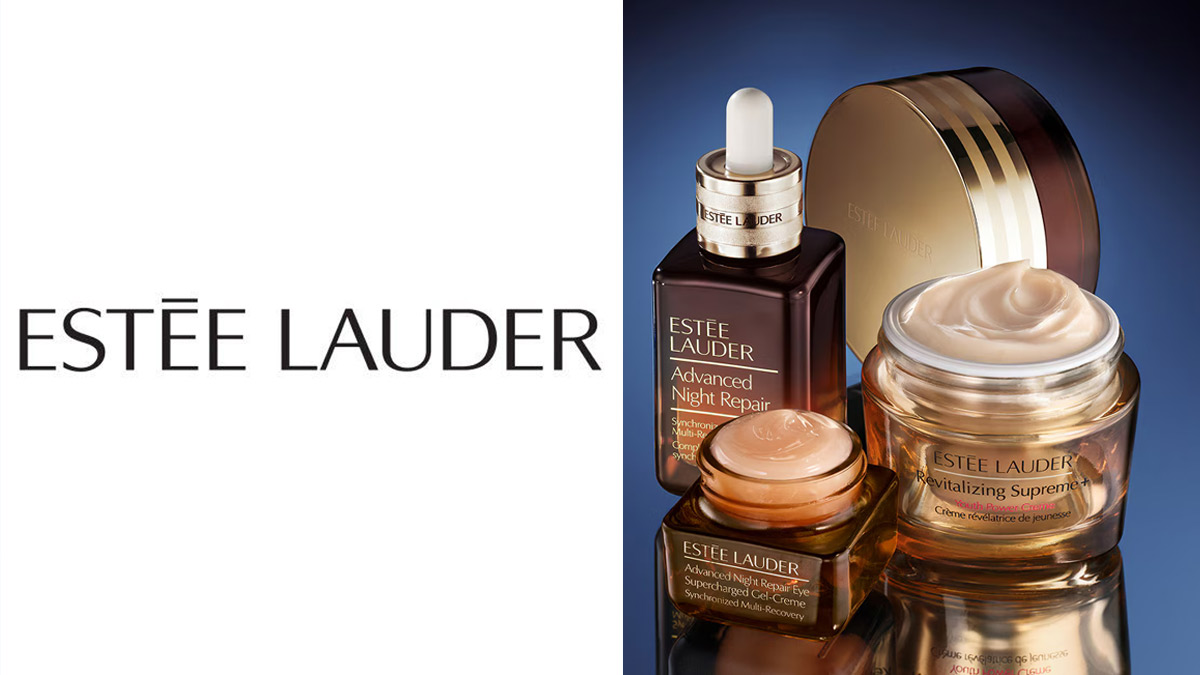
NEW YORK: Stéphane de La Faverie is not done cutting. Estée Lauder announced on Friday that it plans to eliminate as many as 3,000 additional jobs, taking its total redundancy programme to as many as 10,000 roles, up from a previous target of 7,000 announced a year ago. The company, which owns La Mer, The Ordinary, Tom Ford, and Aveda, employs roughly 57,000 people worldwide. The mathematics of what is now being contemplated is stark.
The fresh round of cuts is expected to generate a further $200 million in savings, bringing the total annual savings from the programme to as much as $1.2 billion before taxes. That money, De La Faverie has made clear, will be ploughed back into the turnaround.
A CEO in a hurry
De La Faverie, who took the helm in January 2025, inherited a company that had endured three consecutive years of annual sales declines. His response has been to move fast and cut deep. A significant portion of the latest redundancies reflects his push to reduce headcount at US department stores, long a cornerstone of Estée Lauder’s distribution model but now a channel in structural decline. In their place, he is accelerating the shift toward faster-growing online platforms, including Amazon.com and TikTok Shop, a pivot that is reshaping not just where Estée Lauder sells but how it thinks about its customers.
The numbers are moving in the right direction
Despite the pain, there are signs the medicine is working. Estée Lauder raised its profit outlook for the remainder of the fiscal year, guiding for adjusted earnings per share in the range of $2.35 to $2.45, above analyst estimates and a notable step up from the $2.05 to $2.25 range it had guided for in February. Organic net sales growth is expected to come in at 3 per cent, the company said, at the high end of the range it set out in February.
The share price tells a mixed story. After De La Faverie took charge, the stock surged nearly 60 per cent, buoyed by investor optimism that a longtime company insider could finally arrest the decline. But 2026 has been rougher: the shares have fallen 27 per cent this year, weighed down by disappointing February results and the overhang of unresolved merger talks with Spanish beauty giant Puig Brands SA. The company gave no additional details about those discussions on Friday, leaving the market to guess.
Silence on Puig
The proposed tie-up with Puig remains the most consequential unknown hanging over Estée Lauder. A deal with the Barcelona-based group, which owns brands including Carolina Herrera and Rabanne, would reshape the global luxury beauty landscape. But with nothing new to say and a turnaround still very much in progress, De La Faverie is asking investors to trust the process.
Three years of sales declines, 10,000 job cuts, and a merger that may or may not happen. At Estée Lauder, the overhaul has barely started.