Connect with us

iWorld

Divo to now offer digital content & influencer marketing services

Published

on

KOLKATA: Digital media and music company Divo has forayed and expanded its offerings to digital, content and influencer marketing services.

During the country’s protracted lockdown, a fundamental shift has been triggered in the influencer marketing space with big brands deepening their engagement with a variety of influencers as consumers turned to YouTube videos and Instagram reels for everything. Ergo, the team realised a huge market opportunity in the digital marketing domain.

The new division comprises a 15-member team, with associates from leading media companies like TVF, Radio Mirchi, Sun Network, and has collectively created noteworthy case studies through award winning campaigns.

Advertisement

Divo has been working very closely with content creators and talents in growing their digital presence since 2014. And now with brands and advertisers heavily investing in branded content and influencer marketing, Divo aims at providing integrated solutions that fill the gap for content creators and creatively fit the brand’s overall communication, without breaking the USP of the content creators.

In a span of six months, Divo has empowered India’s creator community by locking ties with over 1,000+ YouTube creators and social media influencers; one of the biggest ones being MicSet, Nakkalites, Irfans View under the hood. The pursuit is to cultivate talents of creators across multifaceted genres like fashion, food, entertainment, singing, travel and connect them with brands looking to make a dent on the market by integrating their product/services via powerful creative storytelling.

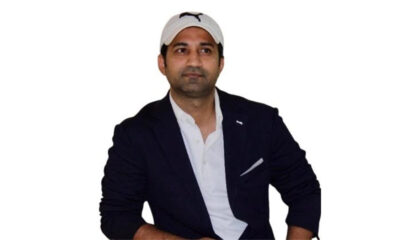
Divo founder and directory Shahir Muneer said, “With traditional mediums like print magazines, newspapers, OOH either shutting down or facing a huge hit in terms of readership/subscriptions, we noticed that brands and companies are aligning their budgets to online platforms and noticing the importance of influencer marketing. This made it a perfect time for us to launch this new division as we foresee the influencer market growing tremendously over the next two years. While we have already been catering to brands for past couple of years, more from a reactive requirement, this focused approach will be more proactive and grow the agency division with a concerted approach.”

Advertisement

Divo has worked with brands from fintech platforms like Groww, edu-tech learning platforms like Upgrad, Byju’s, to FMCG drivers like Gillette, Pantene, Colgate, e-commerce like Amazon and LG from smartphone category and engaged millions of audiences single-handedly through influencer marketing. Divo recently won a Gold Award at StreamCon in the best brand integration category for one of their clients- Nua, for their sanitary pad in association with Youtuber – Cheeky DNA.

Click to comment

Leave a Reply

Your email address will not be published. Required fields are marked *

iWorld

Tech firms tweak office operations amid LPG shortage concerns

Infosys, HCLTech and Cognizant adjust cafeteria services and work policies.

Published

on

MUMBAI: When geopolitics turns up the heat, even office cafeterias start feeling the burn. Several technology companies in India are adjusting workplace operations and food services as concerns over a nationwide shortage of liquefied petroleum gas (LPG) grow following escalating tensions in West Asia. Major IT firms including Cognizant, Infosys and HCLTech have begun rolling out contingency measures to reduce dependence on office cafeterias that rely heavily on commercial LPG.

The disruption stems from rising geopolitical tensions involving Iran after military action by the United States and Israel reportedly led to the closure of the Strait of Hormuz, a critical global shipping route for oil and gas supplies. The closure has disrupted the movement of LPG and liquefied natural gas across international markets, triggering concerns about supply constraints and price volatility.

According to a report by The Times of India, Cognizant has advised employees to bring their own meals to office where possible to reduce reliance on office cafeterias dependent on LPG based cooking.

Advertisement

The company has reportedly told staff that it is preparing for potential disruptions driven by supply prioritisation, price fluctuations and pressure on vendor networks.

As part of contingency planning, Cognizant is identifying alternative food vendors that do not rely on LPG. These include kitchens using induction based or solar powered cooking systems.

The company is also exploring partnerships with cloud kitchens that operate on electric or solar power to ensure uninterrupted food supply in case conventional cooking gas availability worsens.

Advertisement

Additionally, Cognizant is evaluating the possibility of expanding work from home or hybrid arrangements for non critical roles, partly to reduce commuting exposure if fuel prices rise sharply due to global energy disruptions.

Meanwhile, HCLTech allowed employees at its Chennai office to work from home on March 12 and March 13 after cafeteria vendors were unable to operate because of the LPG shortage.

Several food service vendors at the campus reportedly suspended operations as they struggled to secure cooking gas supplies, prompting the company to permit staff to work remotely for the two days.

Advertisement

Infosys has also issued internal advisories across multiple locations, including its campuses in Bengaluru and Chennai.

The company informed employees in Bengaluru that cafeteria services would continue but with reduced menu options due to concerns around commercial LPG availability.

As part of the temporary adjustments, live food counters have been suspended, and employees have been encouraged to bring home cooked food while the situation evolves.

Advertisement

While LPG shortages in India remain a developing situation, the measures taken by these technology firms highlight how global geopolitical disruptions can ripple through unexpected corners of the economy, even the humble office lunch.

For companies with large campuses and thousands of employees relying on daily cafeteria services, cooking fuel shortages can quickly turn into an operational challenge. Until global supply chains stabilise, many workplaces may find themselves rethinking everything from food sourcing to flexible work policies.

Advertisement
Continue Reading

Advertisement News18
Advertisement All three Media
Advertisement Whtasapp
Advertisement Year Enders

Copyright © 2026 Indian Television Dot Com PVT LTD

This will close in 10 seconds

×