Ad Campaigns
TAM Adex: screens and scenes spark spend surge as adland switches on big in Q1 FY 26

MUMBAI: India’s advertising engines have revved up in Q1 2025, with the industry riding high on the back of buzzing TV sets, scroll-stopping digital spends and billboards getting their groove back. The latest TAM AdEx Quarterly Report shows that marketers didn’t just show up, they splashed out. TV made a grand re-entry into the spotlight with a 16 per cent year-on-year growth in ad volumes compared to Q1 2024. Hindi GEC (General Entertainment Channel) ruled the roost with a whopping 22 per cent share, followed closely by Regional GEC and News genres at 15 per cent and 14 per cent respectively.
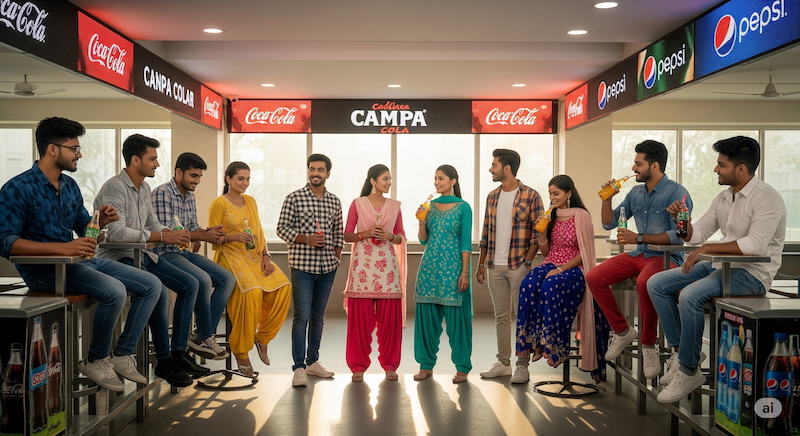
The big screen darling of Indian homes wasn’t just fluff and reruns either top advertisers like Hindustan Unilever, Reckitt, and Coca-cola kept the spots hot, with Coca-cola returning to the top 10 TV advertisers after a brief fizz out in 2024. Among categories, Toilet Soaps and Aerated Soft Drinks bubbled up, clocking a 29 per cent and 67 per cent growth in ad volumes respectively compared to Q1 last year.
Digital advertising clocked in an impressive 18 per cent increase in ad insertions in Q1 2025 over the previous quarter. Notably, Programmatic advertising contributed a dominant 45 per cent share of digital spots, while Google Display and Facebook together accounted for over a third of digital insertions.

Banking and financial services made big digital strides online investment platforms, personal loans, and insurance players were aggressive spenders. But the scene-stealer? Fantasy Sports, which surged ahead as Dream11 and My11Circle banked on cricketing fervour ahead of IPL 2025.
Out of Home (OOH) advertising made a thunderous comeback, reporting a 32 per cent jump in ad volume over Q1 2024. Transit media think metro wraps, bus backs, and airport panels saw the sharpest uptick, up by 38 per cent. FMCG, e-commerce and OTT brands led the charge, with a special mention for Amazon Prime Video’s “Mirzapur 3” teaser plastering high-traffic junctions in metro cities.
North India continued to dominate with 39 per cent of total OOH volumes, while Tier 2 towns witnessed an OOH growth spurt of 28 per cent, driven largely by regional retail players and upcoming D2C brands eager to build street cred.
India’s ad sector lit up Q1 2025, with TV ad volumes up 16 per cent YoY, Digital ad insertions rising 18 per cent QoQ, and OOH jumping 32 per cent YoY. FMCG led with over 25 per cent of total ad volume, while Hindi-language ads drove over 50 per cent of TV and digital impressions.
With IPL in full swing and festive season preparations already in the works, Q2 is expected to outdo Q1. But beyond numbers, what stands out is how brands are blending mass and personalised media placing bets on both prime-time viewership and pocket-sized scrollable moments.
From hoardings to handhelds, the message is loud and clear: India’s adland isn’t just recovering, it’s rewiring.