iWorld
Netflix wants more than your subscription. It wants your attention
The streaming giant has fired the opening salvo in media’s next great war. Publishers, creators, advertisers and even JioHotstar should be paying very close attention

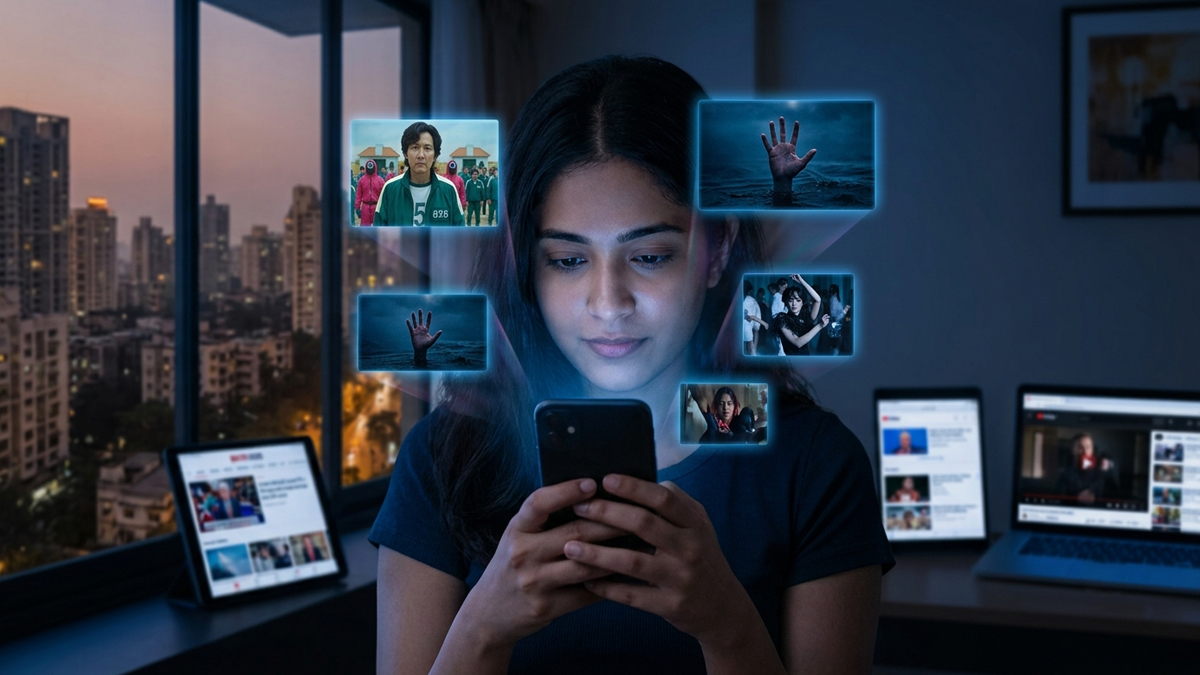
MUMBAI: Netflix has just admitted something the streaming industry has been reluctant to say aloud.
Winning the streaming wars isn’t enough anymore.
Winning your attention is.
For over a decade, the world’s biggest subscription streamer measured success by the number of people binge-watching Stranger Things, Wednesday or Squid Game. Today, that isn’t sufficient. The battle has shifted from blockbuster evenings to idle afternoons; from weekend marathons to those stolen five minutes between meetings.
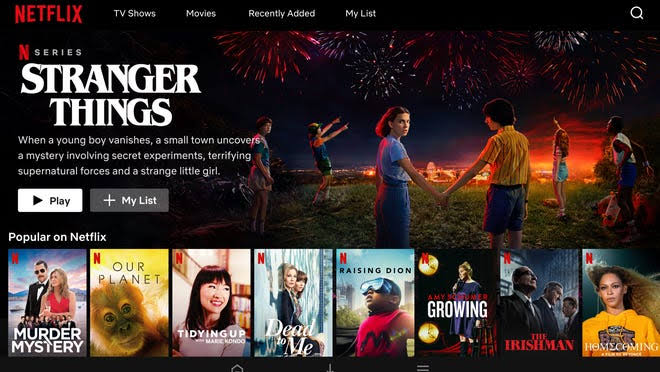
In short, Netflix no longer wants to own prime time.
It wants to own every spare minute of your day.
That explains why its latest move could prove to be one of the most important strategic pivots in the company’s history.
Beginning 3 August, Netflix will begin carrying publisher-produced programming from an elite club of digital media companies—BuzzFeed, Condé Nast, Hearst Magazines, People Inc., Tastemade and Penske Media’s PMX brands, including The Hollywood Reporter, Variety, Rolling Stone, Billboard, IndieWire and Eater. Viewers in the United States, Canada, the United Kingdom, Ireland, Australia and New Zealand will discover these videos directly from the Netflix homepage. The content will range from three-minute celebrity interviews to 20-minute lifestyle programmes covering food, travel, fashion, home improvement and viral culture. Additional publisher partnerships are already on the cards.
It looks like a content deal.
It is actually an attention deal.
And there is a difference.For years, publishers desperately chased audiences across Facebook, YouTube, Instagram and TikTok. Algorithms dictated fortunes. Referral traffic became oxygen. Advertising yields shrank. Publishers adapted because they had little choice.
Now the tables have turned.
The world’s largest subscription streaming platform has decided it needs publishers.
That is quite the reversal.
Netflix is effectively acknowledging that premium films and television series alone are no longer enough to sustain daily engagement. Between one season of Bridgerton and the next, viewers disappear. They drift towards YouTube. They wander onto Instagram Reels. They lose themselves in TikTok. Attention leaks away.
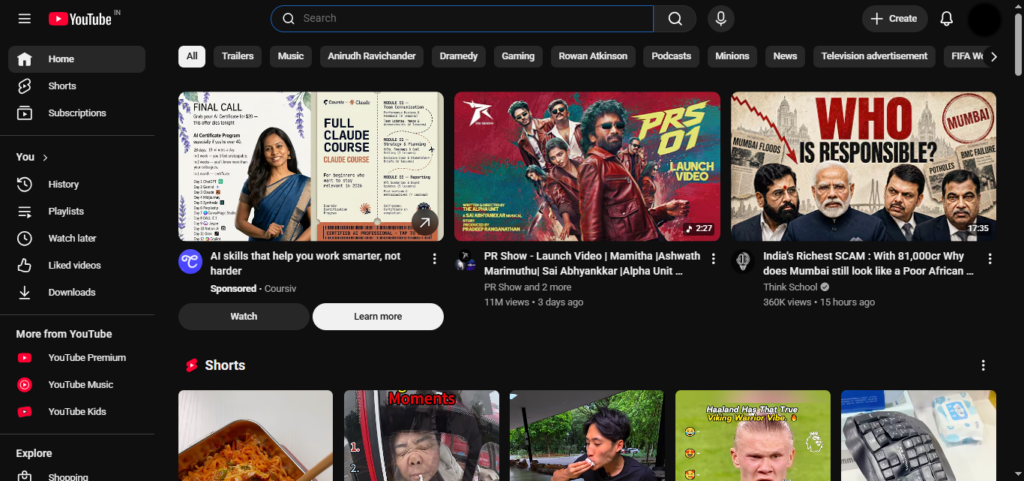
Netflix wants to plug those leaks.
Hence celebrity interviews.
Hence recipes.
Hence travel.
Hence fashion.
Hence snackable entertainment that requires neither emotional investment nor three uninterrupted hours on the sofa.
This is not about replacing prestige television.
It is about filling the spaces between prestige television.
That is an entirely different business.
From streaming company to attention company
The smartest companies rarely redefine themselves after disruption. They do so before disruption becomes existential.
Netflix has spent the past three years quietly preparing for this moment.
It introduced gaming.
It experimented with live sport and live comedy.
It ventured into podcasts.
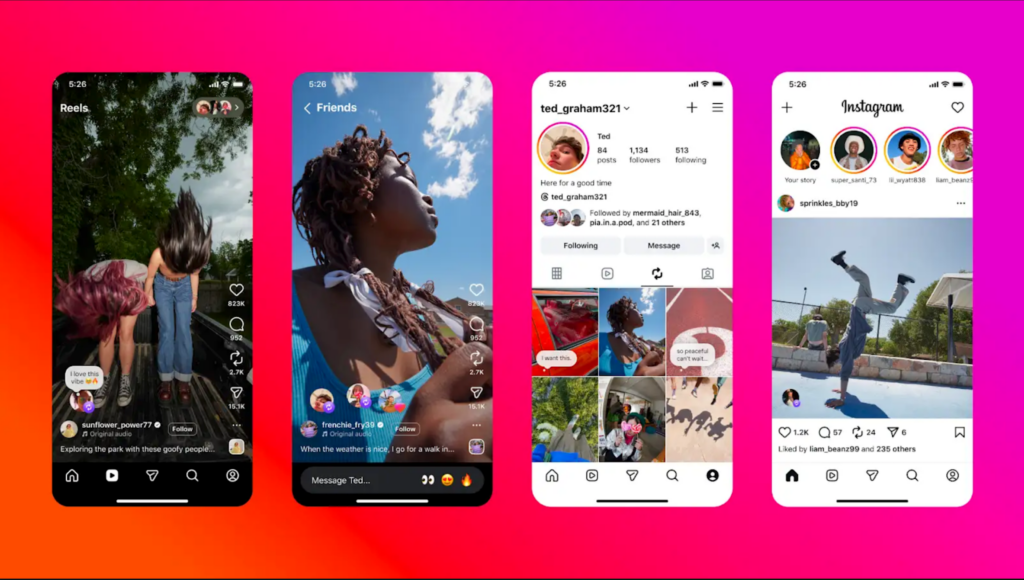
It rolled out TikTok-style vertical video discovery.
Now it is inviting digital publishers into its ecosystem.
None of these initiatives are accidental.
Collectively they reveal a company trying to become something much bigger than an OTT platform.
Netflix increasingly resembles what economists would call an attention aggregator.
Every additional minute you spend inside Netflix has value.
Not merely because you remain subscribed.
Because every minute you don’t spend on YouTube, TikTok or Instagram strengthens Netflix’sx competitive position.
That makes publisher content strategically priceless.
Producing another prestige drama costs tens or even hundreds of millions of dollars.
Licensing existing publisher programming is dramatically cheaper.
Yet the objective is identical.
Keep viewers inside the app.
Keep them scrolling.
Keep them watching.
Keep them returning tomorrow.
That is why Netflix isn’t simply licensing shows.
It is licensing habits.
Why these publishers?
The first wave is revealing.
Netflix hasn’t opened the gates to everyone.
Instead, it has hand-picked globally recognised editorial brands whose identities already signal quality, credibility and premium audiences.
BuzzFeed understands internet culture.
Condé Nast owns aspiration.
Hearst dominates lifestyle.
People Inc. excels at celebrity storytelling.
Tastemade practically invented premium food and travel video.
Penske Media contributes entertainment’s most influential brands—Variety, The Hollywood Reporter, Rolling Stone, Billboard and IndieWire.
This is not user-generated content.
Nor is it creator chaos.
It is professionally produced, brand-safe programming that advertisers have trusted for years.
That matters enormously.
Because Netflix isn’t merely chasing viewing minutes.
It is chasing premium advertising minutes.

Advertisers should take note
For media agencies, this announcement may prove even more significant than it appears.
Netflix’s advertising business is still relatively young.
Like every advertising platform, however, it faces one fundamental challenge.
Inventory.
People only watch so many Netflix originals each week.
Publisher content changes that equation.
Instead of opening Netflix once or twice during the weekend, subscribers may begin dropping in every day.
A quick celebrity interview over breakfast.
A recipe before dinner.
A travel feature during lunch.
A fashion video before bed.
Those additional viewing occasions create additional advertising opportunities.
Not overnight.
Not immediately.
But steadily.
Every new viewing habit expands advertising inventory without Netflix having to produce another expensive drama series.
That is remarkably efficient economics.
And it explains why advertisers should pay close attention to what happens after 3 August.
The six launch markets are not random.
They are mature subscription markets with high broadband penetration, sophisticated advertising industries and audiences already accustomed to consuming premium publisher brands.
Netflix will be measuring everything.
Daily active users.
Session frequency.
Completion rates.
Time spent.
Recommendation behaviour.
Advertising performance.
Subscriber retention.
Every metric will determine whether this experiment scales globally.
And if those numbers move in the right direction, India will not be far behind.
To be continued in Part Two: Why India may become Netflix’s biggest opportunity yet, how India’s Got Latent may be the first sign of a new strategy, what this means for JioHotstar, YouTube, Indian publishers, creators, advertising agencies and media budgets—and whether Netflix can truly challenge YouTube in the world’s largest video market.