Brands
adidas & Arsenal unveil retro-inspired adicolor collection
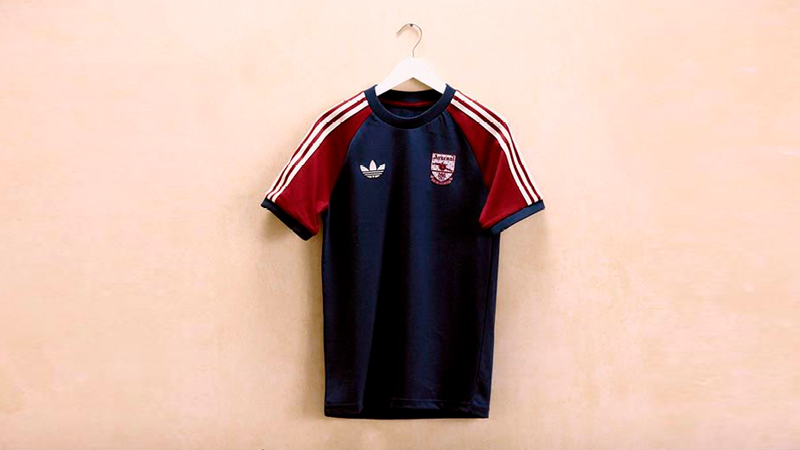
New Delhi – adidas and Arsenal launch a brand new adicolor range of the 70s and 80s-inspired tracksuits and t-shirts, giving a fresh twist to the club’s retro colourways.
Designed with a slim fit in premium pique material, the track top features engineered three-stripes tape, a ribbed collar and cuffs, convenient zipped side pockets, and flock-printed trefoil and club crest on the chest. The pique track pants are tailored for a slim fit and include zipped side pockets and iconic three-stripes tape down each leg, blending functionality with classic style. The collection is completed with a slim-fitted crew neck tee with short sleeves, featuring engineered three-stripes tape along with a flock-printed crest and Trefoil branding on the chest.
The Arsenal adicolor collection captures a timeless retro class in bold red and blue shades, paying homage to the club’s heritage with a contemporary flair. This special edition revives the iconic crest that has been enhancing Arsenal’s jerseys from 1949 to 1994, a nostalgic nod to the team’s rich legacy. The vintage aesthetic is further elevated with the original club lettering on the back of both the tee and jacket, inspired by the classic font style from the old club badge. The result is a collection that blends the spirit of past eras with modern design, making it a must-have for fans who value both history and style.

Brands
India, Uzbekistan launch pharma and nutraceutical trade corridor
New partnership positions Uzbekistan as gateway to a USD 10 bn Eurasian health market
TASHKENT: India’s pharmaceutical and nutraceutical industries are getting a new route into Eurasia, and it runs through Tashkent.
The ministry of health of the republic of Uzbekistan has partnered with nutrify today and pharma eurasia to launch a structured indo–cis pharmaceutical and nutraceutical trade corridor. The initiative aims to streamline market access for Indian and global companies into the commonwealth of independent states and the wider Eurasian region.
The corridor brings together government policy support, industry leadership and a commercial platform designed to translate high-level discussions into actual trade deals. Pharma Eurasia 2026, scheduled in Tashkent from 20 to 22 May, will serve as the main marketplace where these opportunities are expected to materialise.
The timing is significant. The dietary supplements market across the CIS is already worth more than $ 5.8 billion annually, while the wider Eurasian nutraceutical sector is estimated at $ 7 billion to $ 10 billion and expanding quickly. Demand is being driven by rising interest in preventive healthcare, the spread of organised pharmacy chains and growing consumer appetite for vitamins, botanicals and functional nutrition products.
For Indian exporters, the corridor offers a structured entry point into these markets. The initiative also comes as regulatory systems across several CIS economies are tightening, creating greater demand for quality-certified products.
Uzbekistan is positioning itself as the region’s health industry gateway. In recent years the country has invested heavily in pharmaceutical parks, industrial clusters and regulatory reforms designed to attract foreign investment and manufacturing partnerships. Tashkent’s pharma park is intended to provide overseas pharmaceutical and nutraceutical firms with a clear pathway to establish production or distribution bases with government support.
The new trade corridor operates on what organisers call a dual-city model. Strategic dialogue and industry leadership discussions will take place in Mumbai through the sumflex and c-suite summit platforms, bringing together global CEOs, regulators and investors. The commercial follow-through will happen in Tashkent at pharma eurasia, where partnerships, regulatory engagement and buyer connections are expected to move deals forward.
Pharma Eurasia 2026 is designed as a meeting ground for manufacturers, ingredient suppliers, contract development and manufacturing organisations, distributors and regulatory experts from across the region. Under the new partnership, the exhibition will also function as the annual marketplace for the Indo–CIS health trade corridor.
Beyond trade deals, the corridor’s agenda includes regulatory harmonisation, digitalisation of supply chains, investment facilitation and joint research opportunities. Nutrify today plans to deploy AI-driven regulatory intelligence tools to support compliance and cross-border nutraceutical trade.
The ministry of health of the Republic of Uzbekistan first deputy minister of health and chairman of pharmaceutical industry development agency Abdulla Azizov said Ubekistan is well positioned to act as a strategic bridge between India and the CIS region while building a transparent, technology-enabled trade ecosystem.
Nutrify today MTI executive director Khasim said the initiative connects global leadership dialogue in Mumbai with a structured commercial platform in Tashkent, helping translate strategic discussions into executable trade architecture.
Tricornio technologies vice president and pharma eurasia project director m. harikrishnan said the platform aims to create a long-term, policy-aligned ecosystem where innovation, compliance and cross-border healthcare trade can grow in a sustainable and scalable manner.
The ministry of health of the Republic of Uzbekistan chief international relations specialist Kamila Mirzaeva said the collaboration introduces digital tools and transparent frameworks into a more institutionalised trade architecture, while also encouraging joint ventures in manufacturing, technology transfer and regional expansion.
With demand for preventive health products rising globally, the new corridor could offer Indian manufacturers a fresh gateway into a fast-growing Eurasian market while reinforcing Uzbekistan’s ambition to become a regional pharmaceutical hub.