MAM
The modern CMO: Driving growth and innovation in India

Mumbai: In a world where screens dominate our lives, advertisements have evolved into captivating narratives that often capture more of our attention than the movies we adore or the podcasts we cherish. This relentless tide of digital innovation has placed marketing at the very heart of modern business. Behind every clever campaign or viral ad lies a creative mind weaving strategies that resonate deeply with audiences, shaping trends and subtly steering our choices.
India, a land of infinite diversity and ceaseless contrasts, offers an unparalleled canvas for marketers. Here, chief marketing officers (CMOs) transcend their traditional roles, becoming architects of growth, pioneers of digital transformation, and custodians of trust. In this dynamic marketplace, where every consumer interaction carries the weight of cultural nuance, CMOs are tasked with not just adapting to change but leading it, forging a path toward a future brimming with opportunity and innovation.
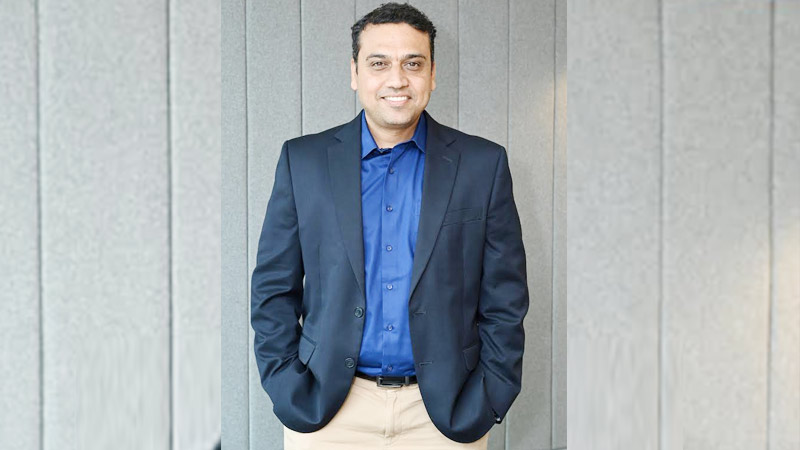
To delve deeper into this dynamic evolution, Indian Television dot com spoke with Danone’s marketing director, Sriram Padmanabhan about the challenges, opportunities, and expectations shaping the modern CMO’s role in India.
How has the role of the CMO evolved in India over the years?
The role of the CMO has expanded far beyond traditional marketing functions like advertising and brand building. Today, the CMO is a strategic leader who collaborates closely with the CEO and other C-suite executives. This transformation is driven by the need to integrate marketing with broader business goals, particularly in a market as diverse as India.
CMOs must now navigate the complexities of digitised consumer touchpoints, leverage data-driven insights, and create personalised customer experiences. In essence, they’re not just marketers—they’re business architects who play a pivotal role in steering their companies toward growth.
What are the biggest challenges CMOs face in the Indian market?
India’s diversity is both a strength and a challenge. The country’s rich cultural tapestry means consumer preferences can vary drastically across regions. For a CMO, crafting marketing strategies that resonate deeply with such a varied audience requires not just creativity but also a deep understanding of market research and consumer behavior.
Additionally, technological advancements have added layers of complexity. The integration of AI and machine learning into marketing is no longer optional. CMOs must be comfortable with these technologies to analyse consumer behavior, predict trends, and optimise campaigns effectively.
How important is technology in redefining the CMO’s role?
Technology is absolutely central. Tools like AI, machine learning, and advanced analytics have revolutionised marketing. They allow us to predict customer needs, create hyper-personalised experiences, and measure outcomes with unprecedented precision.
In fact, a recent EssenceMediacom report highlights that 90 per cent of marketing leaders find their roles increasingly complex due to these technological demands. But this complexity also presents opportunities. By embracing technology, CMOs can drive efficiency, enhance engagement, and deliver measurable results.
Can you elaborate on the leadership qualities a modern CMO needs?
Today’s CMOs must be strategic visionaries who align marketing with business objectives. They need to inspire innovation within their teams and foster a culture of agility and creative thinking. This includes having a deep understanding of the broader business landscape, anticipating market shifts, and identifying new growth opportunities.
More importantly, CMOs must embrace a mindset of continuous learning. In a rapidly changing environment, the ability to adapt, experiment, and take calculated risks is essential. Leadership isn’t just about managing—it’s about inspiring and guiding the organisation through transformation.
What role does the CMO play in building trust and customer experience?
At its core, the CMO’s role is to be the guardian of the brand and the customer experience. Trust is the cornerstone of any successful brand, and in today’s age of social media, maintaining that trust requires transparency, authenticity, and consistency.
CMOs must ensure seamless interactions across all customer touchpoints, integrating marketing with sales, customer service, and product development. The ultimate goal is to create a unified, positive customer journey that strengthens brand loyalty.
What advice would you give to aspiring CMOs navigating a dynamic market like India?
The key is to be proactive rather than reactive. Don’t just follow trends—lead them. Understand the pulse of your market and leverage technology to your advantage. Invest in learning new tools and methodologies, and always keep an eye on how your strategies align with the company’s broader objectives. Finally, stay customer-focused. Every decision, whether strategic or operational, should ultimately enhance the customer’s experience with your brand. That’s where the true value of a CMO lies.
The journey of a CMO in India is akin to navigating a vibrant mosaic—each piece representing a unique cultural nuance, consumer preference, and technological shift. As India’s market continues to evolve and diversify, the CMOs who embrace the art of storytelling, the power of technology, and the essence of trust will not just adapt to change—they will orchestrate it. Their leadership will illuminate the path to enduring growth, leaving a legacy that shapes the future of business in a world where innovation and authenticity reign supreme.