iWorld
Subtle yet creative, Google unveils new logo

MUMBAI: The times they are a-changin’! Google acknowledges these evergreen lines from Bob Dylan’s song as it changes its logo and branding yet again. The last change had come about in September 2013.
As the world bid adieu to the good old days when Google was only accessed from desktops, the company is re-inventing itself yet again. Since Google’s launch 17 years back, a lot has changed. Thanks to the aggressive penetrations of internet and smartphones, Google now is as mobile as human beings are. On 1 September 2015, the world’s largest used search engine changed its logo and identity once again, which reflects this reality and shows people when the Google magic is working for them, even on the tiniest screens.
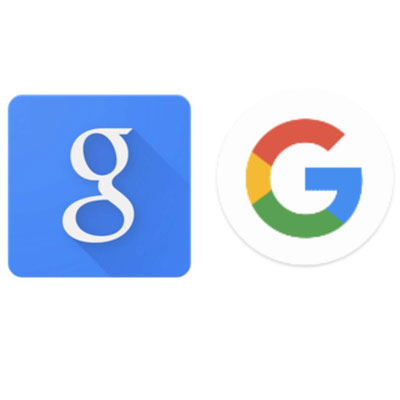
Google has said goodbye to the small blue ‘g’ and replaced it with a capital ‘G,’ which has all four colors – blue, red, green and yellow – in it.
So why did they do so? In an announcement, the company said, “As you’ll see, we’ve taken the Google logo and branding, which were originally built for a single desktop browser page, and updated them for a world of seamless computing across an endless number of devices and different kinds of inputs (such as tap, type and talk).”
Google is known for its subtle changes and the voyage started from 1998 when Larry Page and Sergy Brin used the logo for their Stanford University graduate project.

August 1998: The team heads to Burning Man and creates the first Doodle as an out of office message.

September 1998: Google moves to Google.com and shares its beta release with the world.

May 1999: Still playful, the logo gets a more sophisticated look based on the Catull typeface.

May 2010: The logo brightens up and sports a reduced drop shadow.

September 2013: The logo goes flat with some typographical tweaks.

September 2015: The logo becomes part of a new family that includes the Google dots and ‘G’ icon.

The new logo doesn’t simply tell consumers that they’re using Google, but also shows them how Google is working for them. For example, new elements like a colourful Google mic helps identify and interact with Google whether a person is talking, tapping or typing.
Complimenting the subtle yet creative development, RK Swamy Hansa Group chairman S K Swamy said, “Google has been refreshing its logo quite often but the current change is a larger and continuing step. I quite like the modern looking upper case – lower case version.”
“Google has succeeded in striking a fine balance of form with function in its new logo. It’s a homegrown typerface and vector based, which makes it scalable across devices in so far as legibility is concerned and sports a contemporary look at the same time. Although it will take some time to get used to the new look, it’s nice that Google has retained slight tilt of ‘e’, ” said Leo Burnett’s digital creative agency’s Indigo Consulting national creative director Navin Kansal.