Brands
Google to appeal German ruling over AI Overviews liability
Munich court says AI summaries are Google’s content, not just search results.

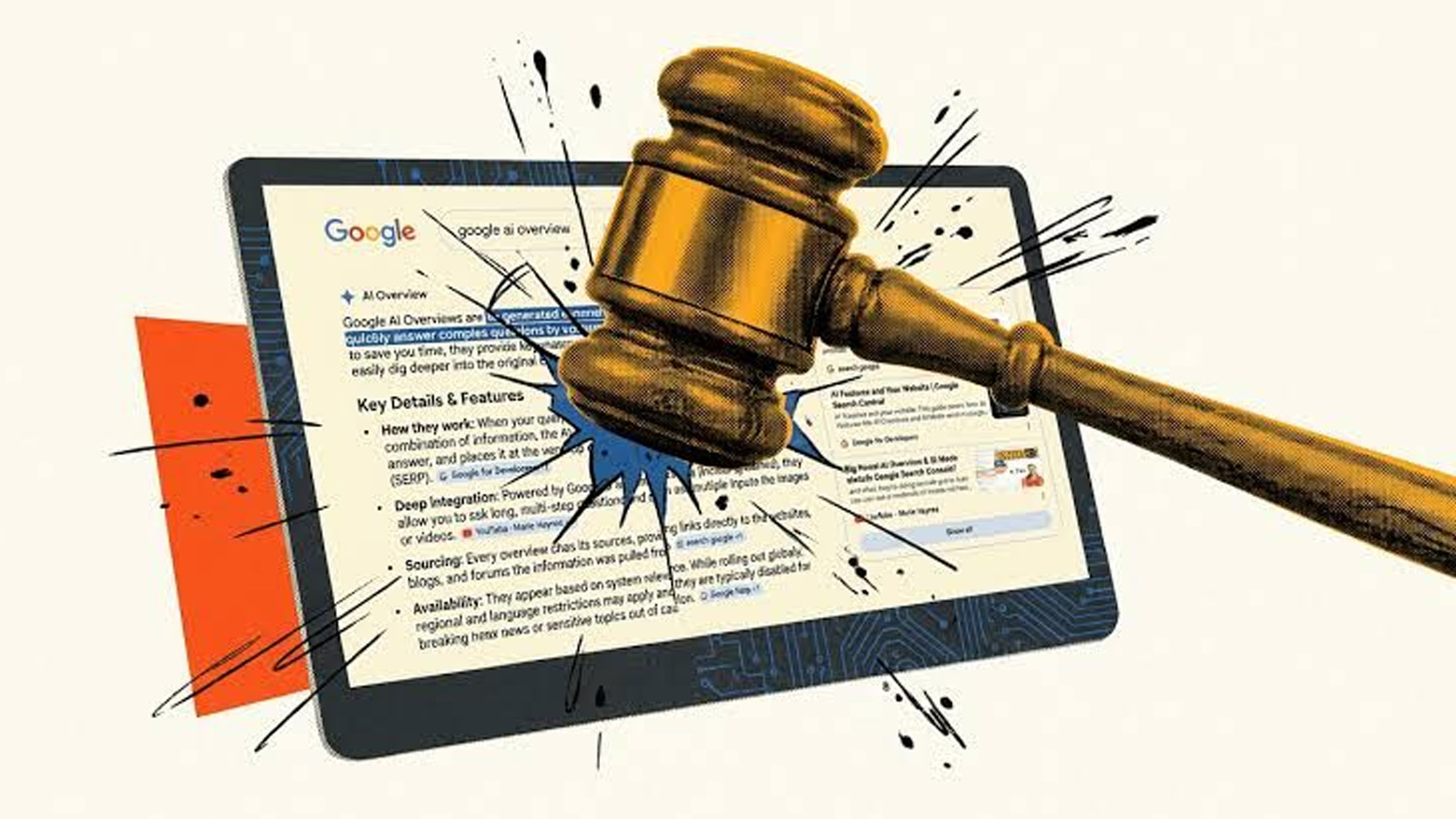
MUMBAI: It was meant to save users a click, but now Google’s AI-generated shortcuts are taking the long road through the courts. Google is preparing to challenge a German court ruling that found the company legally responsible for false information generated by its AI Overviews feature, opening a new chapter in the growing debate over accountability in the age of artificial intelligence.
The ruling, delivered by a court in Munich, concluded that AI-generated summaries appearing above traditional search results should be treated as Google’s own content rather than merely a reflection of information available elsewhere on the web. The decision could have far-reaching implications for AI developers as regulators and courts grapple with where responsibility lies when machines get facts wrong.
At the heart of the case were complaints from two German publishers, who alleged that AI Overviews incorrectly linked them to scams and dubious business practices, potentially damaging their reputations.
The court was unconvinced by Google’s argument that users should verify AI-generated responses by consulting the linked sources. Judges noted that the value of AI summaries would be undermined if users were required to independently fact-check every answer. They also held that warnings about potential AI errors do not automatically absolve companies of liability when false information is published.
Google has pushed back against the ruling and confirmed it will appeal. The company argued that the case centres on a limited number of inaccuracies rather than the overall performance of AI Overviews.
According to Google, the vast majority of AI-generated summaries provide accurate and useful information. However, the company acknowledged that, like traditional search results, AI systems can occasionally misinterpret information or present content without sufficient context. It said action is taken when material is found to breach its AI policies.
The case arrives at a sensitive moment for the technology giant. As AI-generated answers become increasingly prominent in search, publishers have raised concerns that users are spending less time visiting websites, reducing traffic and advertising revenue. The shift has also attracted scrutiny from competition authorities and policymakers examining the growing influence of AI-powered search.
What began as a dispute over two publishers may now become a broader test of how courts define responsibility in the AI era. For Google and the wider technology industry, the question is no longer whether AI can generate answers but who answers when those answers are wrong.