Hindi
IFFI 2016: Abhay Deol acquires three films;explores digital release

NEW DELHI: Actor producer Abhay Deol has acquired critically acclaimed festival favourite independent films to explore their release on digital platforms at the ongoing Film Bazaar at the International Film Festival of India in Goa.
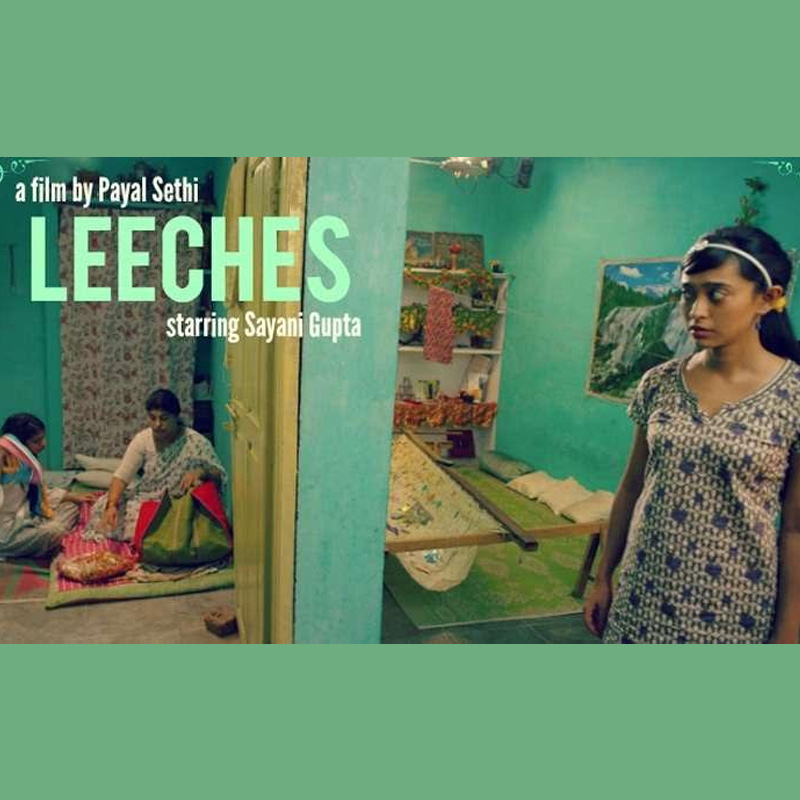
The films are Aditya Vikram Sengupta’s Venice Film Festival and National Award Winner – “Labor Of Love”; Payal Sethi’s critically acclaimed multi-award winning ‘UN Women’ Selection – “Leeches”; and Brahmanand’s heartbreaking documentary on Ghazal Maestro Jagjit Singh “Kaagaz Ki Kashti”, among others.
Deol said: “I saw “Labour of Love” at Indian Film Festival of Los Angeles and was blown away with Aditya’s aesthetic sensibilities, and his ability to spin a story without any spoken dialogues! Payal’s Leeches is an important film that people need to watch. She has beautifully woven a compelling story around an issue that is anathema to our social fibre and well-being. My most recent select is “Kaagaz Ki Kashti”, which pays homage to Ghazal maestro Jagjit Singh and premiered at MAMI this year. Brahmanand is a savant behind the lens and succeeds in powerfully bringing the legend back to life. I strongly believe in these films and want to ensure that audiences across the world watch them.”
On being asked about the strategy of exploring the release the films on digital platforms, Deol said, “The way we consume content has changed. While it is no secret that we have a limited number of screens in India, the economics to engage in a theatrical release don’t make sense for Independent films. Minimum P&A budgets required to secure a decent release add unhealthy weight on a small film. What we need now is to adopt alternate avenues of distribution that are widely available thanks to platforms like iTunes, Netflix and Amazon Prime, all of which are effectively reaching global audiences. I’ve been in touch with some filmmakers who increasingly understand this changing environment. Pulkit’s recent directorial debut “Maroon,” is a fine example of an indie release done right. Vivek Kajaria and his team strategically released the film day and date on iTunes Worldwide, straight from MAMI. The potential reach that a film can achieve adopting this route is significant and can no longer be ignored.”
Sengupta said, “We’re very excited about this opportunity to collaborate with Abhay Deol and take the next step in this incredible journey of Labour Of Love. Abhay has been a champion for the film right from the beginning and will help in introducing the film to an even wider audience. I’m also happy about the fact that he is taking the initiative to further the movement of Indian independent cinema.”
Payal added, “This is the start of a new movement for Indian indies, which need to look towards innovation, not just in filmmaking, but distribution as well. I applaud Abhay’s trail-blazing stance, which is a huge boost for films such as mine that have proven capable of winning accolades on the world-stage. This initiative gives our films a digital lease on life and empowers us to build audiences beyond a successful festival run.”
Brahma whose documentary has been the talk of the town said, “I feel initiatives and eyes for films like these by ambassadors like Abhay is needed for the film to reach its rightful audience in the longer run …A film is a film and the key is to keep you hooked to the narrative and legends like these needs to be remembered and perpetuated for posterity.
Everyone from the maker to champions of them like Abhay as well as distributors and platforms like Netflix, iTunes, Amazon Prime etc need to come together to drive these initiatives to its rightful viewers.”
On the topic of monetization via release on digital platforms and online distribution masquerading as piracy, Deol says. “Piracy is not a matter of choice, but stems primarily due to the unavailability of content on legitimate digital platforms. If your film is made available in a timely manner, then I truly believe that audiences would prefer to pay and watch it on a platform legally. Moreover, monetization through digital distribution is increasingly resulting in a positive return on investment (ROI). Licensing platforms are offering fair payouts, potentially paving a way for audiences around the world to watch and appreciate South Asian Content.”
Abhay Deol will continue to curate films he loves and present them to audiences the world over by collaborating with Digital Platforms.