GECs
Zee tops fiction charts across six languages with strong show lineup
Broadcaster secures nearly half of top 10 spots as fiction strategy pays off

MUMBAI: Fiction is proving to be Zee Entertainment Enterprises Ltd’s winning script. The broadcaster has emerged as the dominant force in television fiction, occupying an average of five spots in the top 10 charts across six major language markets.
Across Hindi (Pay), Marathi, Bangla, Odia, Kannada and Telugu general entertainment channels, the company commands a 48 per cent share of the top 10 fiction rankings, according to BARC data for weeks four to seven of 2026 among urban audiences aged 15 and above.
The strong showing reflects the company’s renewed focus on storytelling driven by cultural insight and local relevance. With family viewing still centred around prime time, Zee continues to attract more than 20 per cent viewership share across genres in this high engagement window, outperforming competitors.

Zee Entertainment Enterprises Ltd, chief content officer Raghavendra Hunsur, said the results underline the effectiveness of the company’s sharply defined multilingual content strategy.
“The achievement is a firm testament to our content strategy across languages, which is clearly resonating with viewers,” Hunsur said. “Fiction shows remain the heart of entertainment. We will continue building both fiction and non fiction offerings that are authentic, engaging and rooted in local storytelling.”
The company’s Hindi flagship channel Zee TV has placed four relatively new launches among the top 10 shows in the Hindi Pay GEC category. These include Tumm Se Tumm Tak, Ganga Mai Ki Betiyan, Vasudha and Lakshmi Nivas, all introduced within the past 18 months.
Regional markets are delivering equally strong performances. Zee Marathi has recorded a 470 basis point rise in market share to 34.7 per cent in January 2026 compared with January 2025. Four of its shows, Kamli, Taarini, Veen Doghatli Hi Tutena and Lakshmi Nivas, feature among the top 10 in the Marathi GEC genre.
In eastern India, Zee Bangla has reclaimed leadership in the Bangla GEC segment in week seven of 2026, driven by five shows in the top 10 including Parineeta, Taare Dhori Dhori Mone Kori, Jowar Bhata, Amader Dadamoni and Chirodini Tumi Je Amar. The top ranked show Parineeta draws inspiration from Gen Z insights, reflecting changing audience sensibilities.
Zee Sarthak continues its five year leadership streak in the Odia GEC space with shows such as Sathi Sata Janmara, Suna Jhia, Tu Khara Mu Chhai, Tuma Bina and Bhagya Rekha occupying the top positions.
In the south, Zee Kannada maintains its long standing dominance, leading the Kannada GEC market for seven consecutive years. Seven fiction titles including Karna, Lakshmi Nivasa, Annayya, Amruthadhaare, Naa Ninna Bidalaare, Adi Lakshmi Purana and Brahmagantu form the top 7 shows in the category.
Zee Telugu is also gaining ground, emerging as the biggest channel across genres in Hyderabad while strengthening its position in the Telugu GEC segment across Andhra Pradesh and Telangana. Shows such as Jagadhatri, Meghasandesam, Jayam and Chamanthi occupy four of the top 10 spots.
With its regional channels gaining traction, Zee says it will continue sharpening its content playbook, focusing on stories that reflect everyday lives while tapping into evolving viewer preferences across markets.






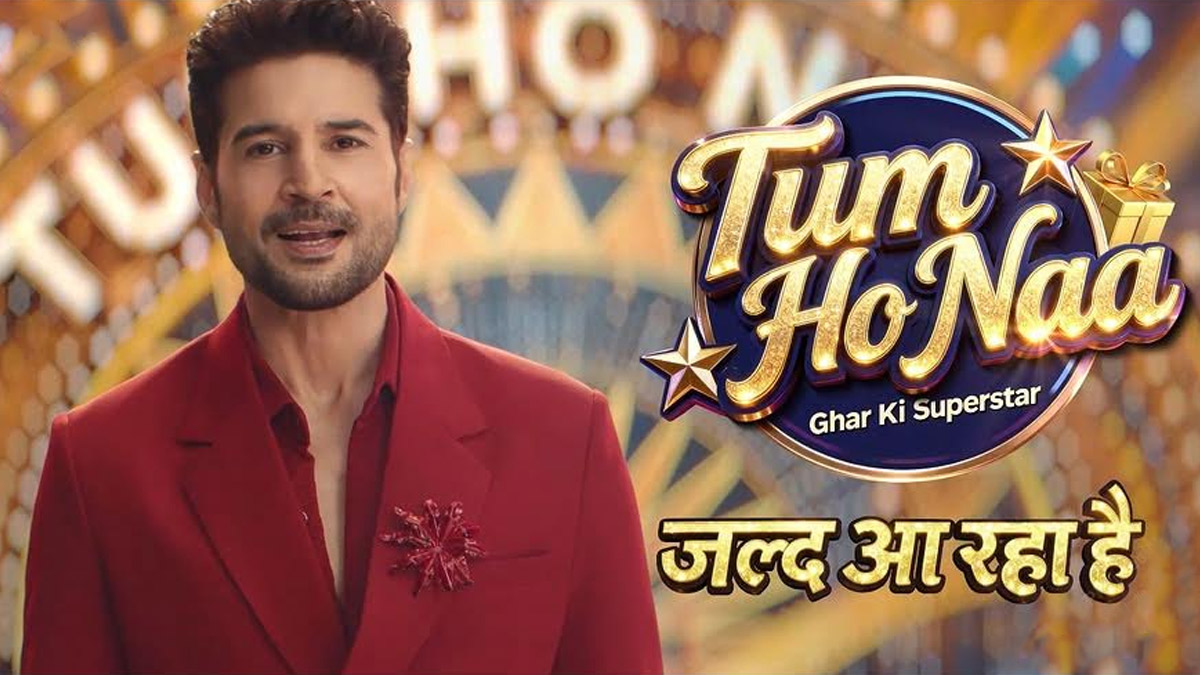
MUMBAI: Lights, camera… connection because this time, the game isn’t just about winning, it’s about who’s with you. Sony Pictures Networks India is gearing up to launch a new reality game show, Tum Ho Naa, expanding its unscripted slate with a format that promises both emotion and engagement.
The show will premiere soon on Sony Entertainment Television and stream on Sony LIV, with Rajeev Khandelwal stepping in as host. Known for his measured screen presence and selective choices, Khandelwal’s return to television adds a layer of familiarity and credibility to the upcoming format.
While specific details of the gameplay remain under wraps, the positioning suggests a reality format that leans as much on emotional resonance as it does on competition, an increasingly popular blend in Indian television, where audiences are gravitating towards content that offers both stakes and storytelling.
Khandelwal, reflecting on his return, noted that his choices have often been guided by instinct rather than convention, describing Tum Ho Naa as a project that feels “close to the heart”. His association also signals Sony’s continued focus on anchoring new formats with recognisable faces who bring both relatability and depth.
The launch comes at a time when broadcasters are doubling down on original non-fiction formats to drive appointment viewing, even as digital platforms expand parallel reach. By placing the show across both linear television and OTT, Sony appears to be aiming for a dual-audience strategy capturing traditional viewers while engaging digital-first consumers.
As the countdown to premiere begins, Tum Ho Naa positions itself not just as another game show, but as a reminder that sometimes, the biggest prize on screen isn’t the jackpot, it’s the journey shared along the way.






