News Broadcasting
BBC to shut BBC Three, BBC Scotland and Radio 4 Extra in £500m savings drive
Broadcaster plans up to 2,000 job cuts as funding pressures trigger channel closures and programme cancellations


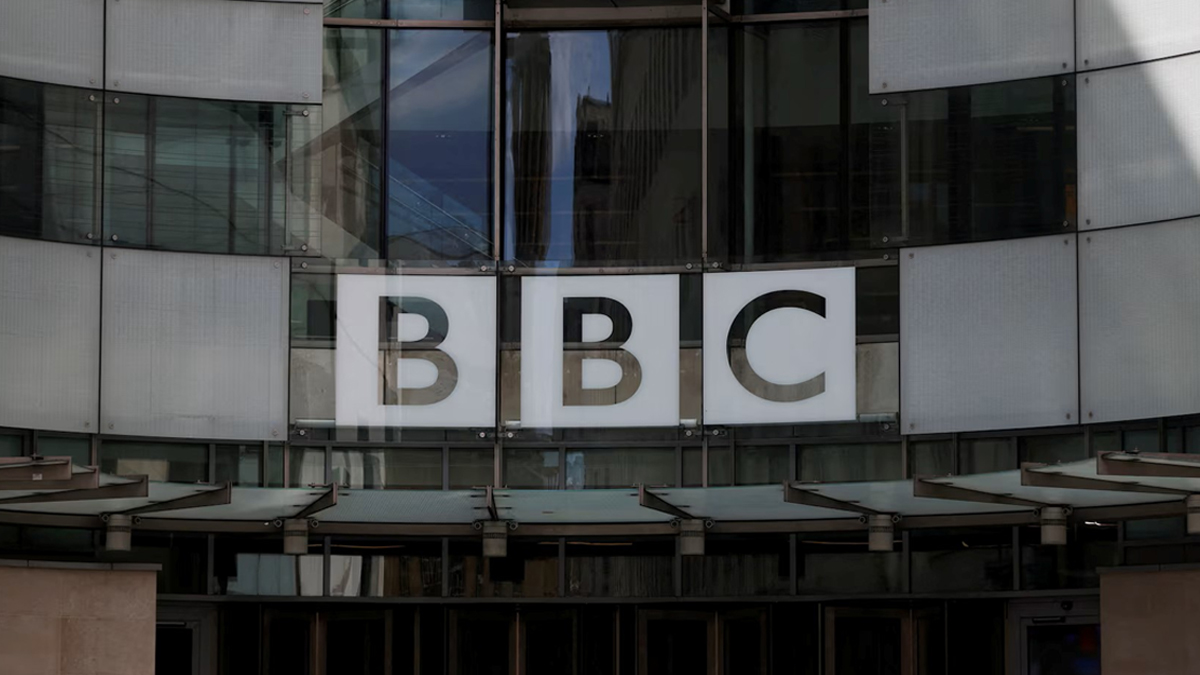
LONDON: The BBC is tuning out three of its broadcast services as financial pressures force a sweeping rethink of its operations. The British Broadcasting Corporation plans to shut BBC Three, BBC Scotland and Radio 4 Extra as part of a £500 million savings drive, BBC said in a report. The broadcaster is also planning to cut between 1,800 and 2,000 jobs over the next two years as it looks to reduce costs and move more of its content online.
The closures, scheduled for spring, form part of a broader restructuring as the publicly funded broadcaster grapples with rising costs and changing audience habits. BBC Three and BBC Scotland will shift their focus to digital platforms, while Radio 4 Extra’s archive-based speech programming will remain available on BBC Sounds.
Matt Brittin, BBC director-general, said the corporation needed to make difficult decisions to manage immediate financial pressures while adapting to a changing media landscape.
“We need to make every pound work harder for audiences as we respond to the immediate cost pressures and reinvent the BBC for a changing world. We all know that means tough choices,” Brittin said.
The latest measures add to a growing list of cuts across the broadcaster. The BBC had previously announced around 550 job cuts in its news division and more than 30 in BBC Sport. Rachel Jupp, the newly appointed director of BBC News, has also proposed £5.5 million in additional savings, potentially putting around 100 roles at risk.
Several programmes have been cancelled in recent weeks, including RuPaul’s Drag Race UK, Blankety Blank, Celebrity Mastermind, Live at the Apollo, Football Focus and Ski Sunday. Other shows, including DIY SOS, have been temporarily rested.
BBC Three, which targets younger audiences, will continue commissioning content for BBC iPlayer and other digital platforms, including YouTube. Its move back online reverses a previous decision to restore the channel to television in 2022, after it had shifted to a digital-only model in 2016.
BBC Scotland, launched in 2019, broadcasts news, sport, documentaries and entertainment. Much of its programming will remain available on BBC iPlayer, while selected shows will also air on BBC One and BBC Two in Scotland.
However, not every programme will make the digital transition. Reporting Scotland: News at Seven, the channel’s nightly news bulletin, will end when the linear service closes and will not move to BBC iPlayer.
Scottish news and current affairs coverage will continue through programmes including Reporting Scotland, The Sunday Show, Radio Scotland Breakfast, Debate Night and Scotcast.
BBC Radio 4 Extra, which draws heavily on the broadcaster’s archive of speech-based programming, will also close. Its programmes will remain accessible through BBC Sounds, while the religious programme The Daily Service will continue on the platform and local radio.
Brittin said audiences would still be able to find much of the content currently carried by the three services on the BBC’s digital platforms.
“Much of the great content they currently carry will still be found where audiences already enjoy them on iPlayer and Sounds,” he said.
The shift reflects the broadcaster’s effort to consolidate its distribution around streaming and digital audio, where audiences increasingly consume content on demand.
The restructuring comes as the BBC confronts mounting questions over the sustainability of its funding model. In its annual report earlier this year, the corporation acknowledged that its existing model was not sustainable enough to fund its public service broadcasting mission amid substantial financial pressures.
It has previously outlined plans to reduce its budget by about a tenth by 2029, with most of the savings expected in the financial year beginning 1 April 2027.
Factors contributing to the pressure include inflation, rising production costs and the diversion of licence fee revenue, according to an analysis published by The Conversation.
Founded in 1922 as a radio service with a mission to “inform, educate and entertain”, the BBC has since grown into a sprawling broadcasting and digital operation. Its portfolio includes UK national and regional television services, international channels, national and local radio stations, the World Service and streaming platforms such as BBC iPlayer.
The latest cuts underline the scale of the challenge facing the corporation: preserve its public service remit while spending less, reaching audiences where they are and adapting to a media market increasingly shaped by on-demand viewing. For the BBC, the digital future is no longer simply an expansion plan. It is becoming a central part of the cost-cutting strategy.