Event Coverage
When machines learn to dream: AI films storm MIFF with tales of kings, ghosts and grief
Bards, Vanaras and lost cinema collide as artificial intelligence proves it’s a tool, not a threat, to storytelling


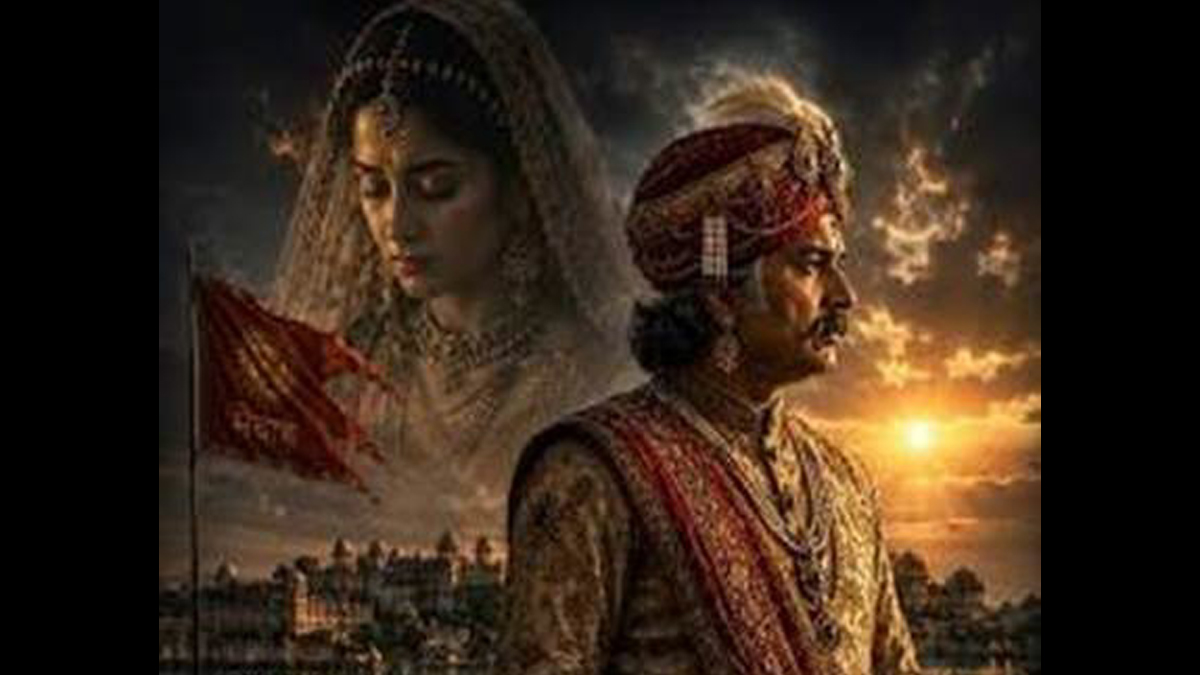
MUMBAI: Forget the robots-will-replace-us hand-wringing. At the 19th Mumbai International Film Festival, a clutch of AI-assisted films just proved that machines, in the right hands, make rather marvellous storytellers. The section titled “The AI Films” threw together history, mythology, memory and meta-cinema into one glorious, genre-bending showcase — and the result was less dystopia, more revelation.
Across the lineup, one message rang loud: AI isn’t stealing the creative chair, it’s just handing filmmakers a sharper pen.
Topping the bill was Deepak Vijay’s “Legends – The Eternal Flame of Mewar”, in which a lone bard wanders the Aravalli hills singing through centuries, from Bappa Rawal to Maharana Pratap, charting a kingdom built on honour. Laurent Cliquet’s “The Screenwriter” went claustrophobic instead of epic, trapping viewers inside a writer’s pressure-cooker mind to dissect the psychological grind of creation. Xuan Li’s “The Star Shepherd”, a felt-animation music video born of a UNICEF trip to Malawi, found tenderness in distance, showing how love stitches strangers together under one sky. Mythology buffs, meanwhile, got their fix from Aksht Verma’s “Kishkindha: Van Katha”, which mined multiple Puranas to resurrect the politics, battles and tragedies of the ancient Vanara kingdom.
Talya Lotan’s “Stonewall, The Making of” blurred fact and fiction entirely, tracking the unmade story of a Civil War general until interviews and staged footage became indistinguishable. Karsh Jhaveri’s “The Act of Killing Dreams” turned the AI debate itself into art, pitting purist auteurs against upstart AI creators in a surreal, painterly clash. Germany’s Mark Wachholz offered “The Cinema That Never Was”, a haunting ode to scripts and reels lost to time, conjured through generative workflows. Rajesh Bhatia and Bharat Arora’s “The Echo Monastery” followed a grieving Ladakhi woman into the mountains to wrestle with silence and memory. And Samresh Shrivastav’s “The Legend of Birsa Munda” closed things out with a stirring, AI-assisted tribute to indigenous resistance, revisiting the Ulgulan uprising against colonial rule.
Eight films, eight wildly different worlds — yet every single one argued the same thing: give artificial intelligence to a filmmaker with a real story to tell, and what comes back isn’t synthetic at all. It’s something startlingly, unmistakably human.