
International
MIFF panel says film festivals remain vital in streaming era
Experts debate technology, audiences and cinema’s future at MIFF 2026


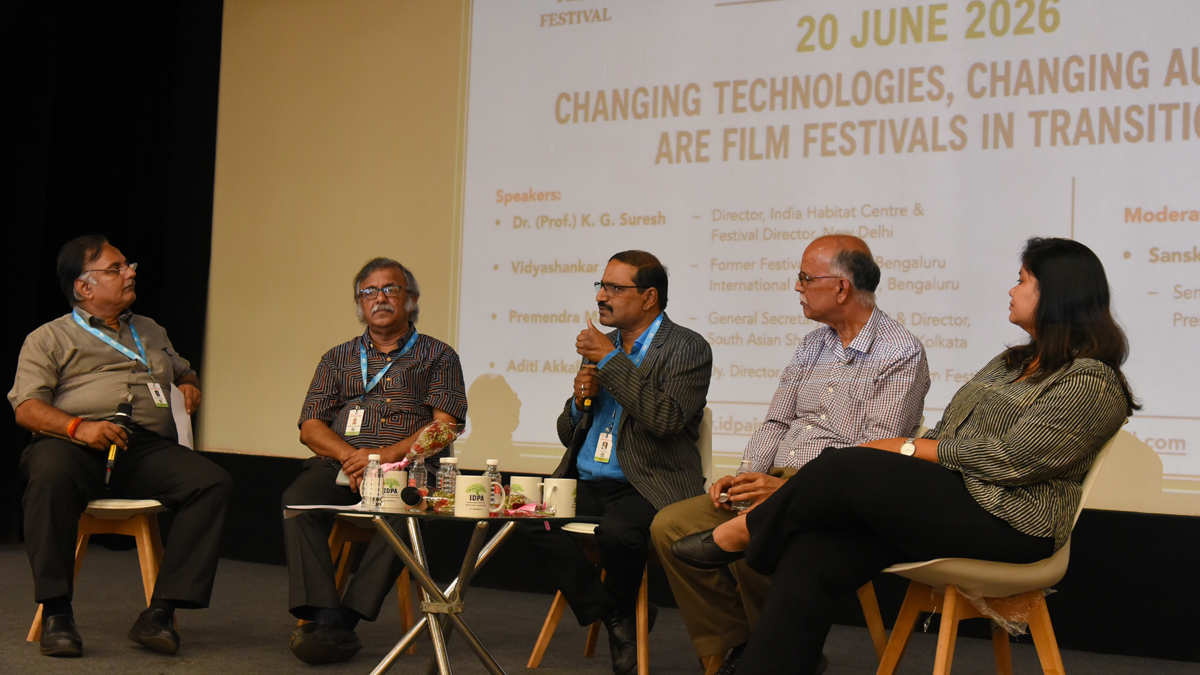
MUMBAI: In a world where films arrive with a tap, festivals are proving that discovery still deserves a destination. Even as streaming platforms, algorithms and digital technologies continue to transform how audiences consume cinema, film festivals remain indispensable spaces for cultural exchange, learning and collective viewing experiences, speakers said at the concluding Open Forum of the Mumbai International Film Festival (MIFF) 2026.
Organised by the Indian Documentary Producers’ Association (IDPA), the session, titled “Changing Technologies, Changing Audiences: Are Film Festivals in Transition?”, brought together festival organisers, academics and film experts to examine how technological disruption is reshaping audience behaviour without diminishing the core value of film festivals.
The discussion featured Vidyashankar N., founder member and former Artistic Director of the Bengaluru International Film Festival; Prof. (Dr.) K.G. Suresh, Director of India Habitat Centre; film critic and festival consultant Premendra Mazumder; and Aditi Akkalkotkar of the Pune International Film Festival (PIFF). The session was moderated by filmmaker and IDPA President Sanskar Desai.
Setting the tone for the conversation, Vidyashankar argued that while technology has dramatically expanded access to films since the digital revolution of the early 2000s, it has not replaced the unique experience that festivals offer.
“Film festivals are about experiencing cinema, not merely accessing information,” he noted, comparing them to museums that continue to attract visitors despite the availability of digital alternatives.
According to him, younger audiences increasingly attend festivals to explore emerging technologies and fresh cinematic voices, while older viewers often seek nostalgia and deeper engagement with the art form. The result is a rare intergenerational space where diverse audiences come together around a shared passion for cinema.
The discussion soon moved beyond questions of survival to questions of relevance.
Prof. (Dr.) K.G. Suresh emphasised that festivals must not only celebrate cinema but also cultivate informed audiences. While acknowledging the rapid rise in the number of film festivals across India, he stressed that quality content and film literacy must remain at the heart of the ecosystem.
Calling cinema one of the most powerful mediums for education and behavioural change, Suresh advocated introducing film appreciation programmes in educational institutions and encouraging younger generations to engage with cinema beyond mainstream entertainment.
For Aditi Akkalkotkar, film festivals continue to serve as gateways to stories and cultures that audiences may never encounter through conventional viewing habits.
Drawing from her experience with PIFF, she highlighted how festivals create value far beyond screenings through filmmaker interactions, audience discussions, networking opportunities and exposure to regional and international cinema.
“Film festivals open doors to worlds audiences may never otherwise encounter,” she observed.
While the panel largely agreed on the enduring relevance of festivals, Premendra Mazumder offered a note of caution.
He warned that the digital era has also fuelled the rise of what he described as “fake festivals,” events that operate primarily as commercial ventures rather than genuine cultural platforms.
Mazumder argued that some festivals exploit filmmakers through pay-to-win award structures and inadequate operational standards, raising concerns about credibility within the broader festival ecosystem. He called for stronger regulatory oversight to safeguard filmmakers and maintain the integrity of legitimate festivals.
The conversation also revisited the role of film societies and educational initiatives in nurturing future audiences. Both Mazumder and Suresh stressed the need for campus film societies, expanded film studies programmes and greater efforts to build informed and engaged viewers.
As the session drew to a close, panellists agreed that while formats, platforms and audience habits will continue to evolve, the essence of film festivals remains remarkably resilient.
In an age of endless scrolling and personalised recommendations, festivals still offer something algorithms cannot replicate, the chance to discover cinema collectively, debate ideas openly and experience stories in the company of others.
The forum marked the conclusion of IDPA’s five-part Open Forum series at MIFF 2026, which brought together filmmakers, scholars and industry leaders to discuss the future of cinema and documentary storytelling in an era defined by rapid technological change.
For all the disruption technology has brought, the final takeaway was refreshingly simple: screens may be getting smaller, but the appetite for shared cinematic experiences remains as big as ever.






