
Regulators
Supreme Court seeks BCI reply on lawyers’ social media promotions
PIL seeks digital ethics code as court asks Bar Council to respond by September 15


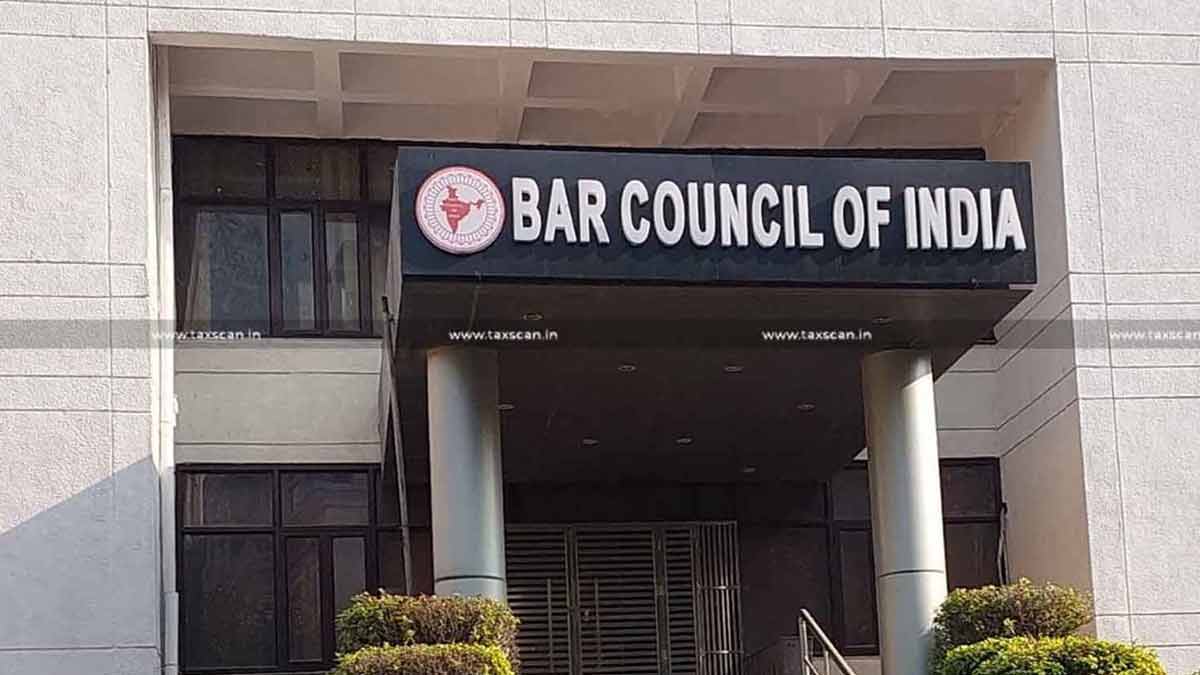
MUMBAI: The courtroom has entered the content era, but the Supreme Court now wants to know where advocacy ends and advertising begins. The apex court has sought a response from the Bar Council of India (BCI) on a public interest litigation seeking regulation of advocates’ use of social media for promotional content, client solicitation and digital advertising.
A Bench comprising Chief Justice of India Surya Kant, Justice Joymalya Bagchi and Justice V. Mohana issued notice on the petition and directed the BCI to file its response by September 15.
The petition argues that an increasing number of lawyers are using platforms such as Instagram, YouTube and Facebook to publish promotional reels, monetised legal content, influencer-style videos and paid collaborations designed to attract clients.
According to the plea, such practices amount to direct or indirect solicitation, which is prohibited under the Advocates Act, 1961 and the Bar Council of India Rules governing professional conduct.
The petition also alleges that much of the content is being filmed inside court premises, with advocates appearing in official court attire while displaying contact details, highlighting areas of legal expertise, sharing client testimonials and publishing content aimed at increasing their professional visibility.
It contends that branding such material as legal awareness campaigns, educational videos or “know your rights” content should not shield it from scrutiny if its primary objective is self-promotion or client acquisition.
Beyond disciplinary action against lawyers allegedly engaging in digital solicitation, the petition seeks directions to the BCI to frame a comprehensive digital ethics framework governing advocates’ conduct across social media platforms.
The case arrives as social media increasingly reshapes professional visibility across industries, including law, where short-form videos and educational content have become popular tools for public engagement. The proceedings are expected to test how existing professional ethics apply in the creator economy, where the line between public legal education and personal promotion is becoming increasingly blurred.






