High Court
Karnataka HC refuses stay on gig workers law, shields platforms for now
Platforms must deposit welfare dues with court as legal challenge heads to August hearing


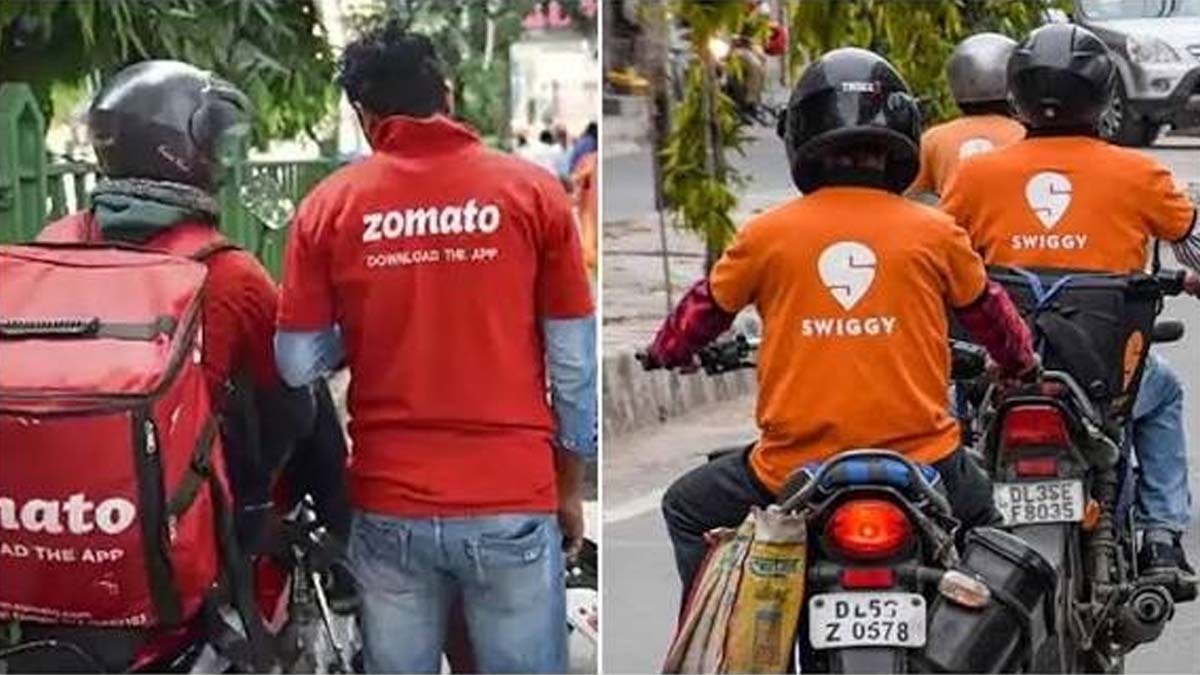
MUMBAI: The legal delivery is still in transit, but the bill has been parked at the courthouse. The Karnataka High Court has refused to stay the implementation of the Karnataka Platform-Based Gig Workers (Social Security and Welfare) Act, 2025, while granting interim relief to food delivery and e-commerce platforms by directing them to deposit welfare contributions with the court instead of the State government.
According to a Bar & Bench report, Justice M Nagaprasanna ordered the petitioners to deposit the welfare contribution for the second quarter with the court registry within three weeks, while clarifying that no coercive action would be taken against them until the next hearing, provided they comply with the order.
The interim relief came during the hearing of petitions filed by the Internet and Mobile Association of India (IAMAI) and major platform aggregators including Zomato, Swiggy, Blinkit, Zepto, Urban Company and Valmo Transportation, which have challenged the constitutional validity of the Act, the accompanying Rules and related government notifications.
The platforms argued that the State legislation conflicts with the Centre’s Code on Social Security, 2020, making it inconsistent with Article 254 of the Constitution. They also sought a stay on the law and subsequent notices requiring payment of welfare contributions.
The High Court, however, declined to grant an unconditional bank guarantee in place of the deposit, observing that the demand arose from a law enacted by the State. To balance the interests of gig workers, the government and platform companies, it directed that the disputed amount remain with the court registry until the matter is decided.
The Karnataka government has been asked to file its objections by 30 July, with the next hearing scheduled for 14 August.
During the proceedings, the court also indicated that it would examine whether the State legislation could coexist with the Central law if it provides additional welfare benefits for gig workers, suggesting the issue would be assessed through a harmonious interpretation of both statutes.
The State argued that the welfare contribution is exclusively intended for gig workers. Under the framework, aggregators are required to contribute up to 50 paise for every two-wheeler ride, 75 paise for every three-wheeler ride and Re 1 for every four-wheeler ride, alongside a 1 per cent levy on food and grocery deliveries.
Platform companies countered that the cumulative financial impact of the levy would be significant, particularly since no welfare scheme has yet been finalised for disbursing the collected funds. They also challenged the 27 January 2026 notification establishing the Karnataka Platform-Based Gig Workers Welfare Board, the 13 February notification introducing the welfare fee mechanism and the 21 May directive requiring Internal Dispute Resolution Committees.
In a notable exchange, Justice Nagaprasanna questioned why companies were opposing a contribution of “fifty paise”. Responding on behalf of the petitioners, Senior Advocate Dhyan Chinnappa argued that the issue was not the amount itself but its cumulative impact, pointing out that aggregation businesses often operate at a loss for years before becoming profitable, citing Amazon’s early growth years as an example.
With the welfare levy now held in judicial escrow rather than government coffers, the case is set to become a significant test of how India balances platform economics with social security protections for its growing gig workforce.