Regulators
FSSAI weighs nationwide ban on analogue paneer as states push for stricter rules
Regulator to seek feedback from states as debate grows over labelling and restaurant use


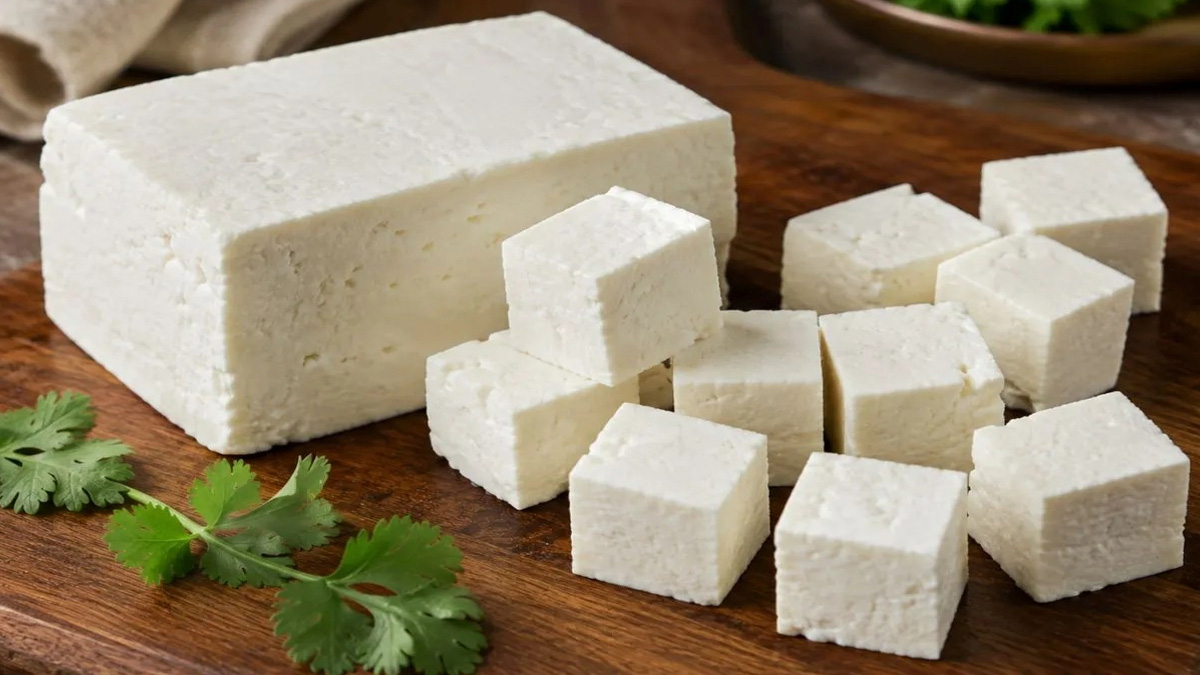
NEW DELHI: Paneer may be a staple on Indian restaurant menus, but the product served under that name could soon face closer scrutiny as the Food Safety and Standards Authority of India (FSSAI) considers whether to impose a nationwide ban on analogue paneer.
FSSAI chief Rajit Punhani told NDTV that the regulator will seek feedback from states at a meeting on 24 September. If there is consensus among the states, FSSAI could consider moving towards a nationwide prohibition.
For now, however, there is no nationwide ban on analogue paneer in India.
Analogue paneer is a non-dairy substitute designed to resemble traditional paneer in appearance and texture. Unlike conventional paneer, which is made from milk or milk solids, analogue products can use ingredients such as vegetable oils, fats, proteins, starches and emulsifiers.
Under existing food standards, paneer is required to be made from milk or milk solids, along with permitted ingredients such as certain acidulants, salt and spices or condiments. Vegetable oil, vegetable fats and vegetable proteins are not part of the prescribed formulation for standard paneer.
The regulatory concern, therefore, extends beyond the composition of these products to how they are described and sold to consumers.
The issue gained wider attention after social media posts last year alleged that a Mumbai restaurant was serving “fake paneer”. The episode prompted questions over how non-dairy substitutes should be identified when used in prepared food.
FSSAI subsequently consulted stakeholders on whether such products should be explicitly described as “non-dairy” or “analogue”, along with details of their ingredients.
The regulator has also considered whether restaurants should clearly disclose the use of analogue or non-dairy paneer and cheese on their menus, so consumers are not left assuming they are ordering conventional dairy products.
The push for a national approach follows action by several states. At least eight states, including Maharashtra, Gujarat and Karnataka, have introduced restrictions on analogue paneer.
Karnataka, for instance, announced a one-year ban in August covering the manufacture, processing, storage, transportation and sale of analogue paneer. Maharashtra has also imposed a similar ban.
The issue has consequently moved beyond packaged food and into the wider restaurant and food-service industry, covering what manufacturers produce, what restaurants purchase and how those products are presented to customers.
FSSAI is also examining whether vegetable-oil-based substitutes could continue to be sold if they are given a distinct name and clearly identified as non-dairy products.
Another proposal under consideration is a more formal registration system for manufacturers producing dairy analogues.
The regulator is also looking at whether existing licensing requirements adequately cover such manufacturers, particularly smaller food businesses that fall below specified turnover or production thresholds.
The 24 September meeting is expected to provide greater clarity on the way forward. Punhani has said FSSAI will consider feedback from the states before deciding whether to pursue a nationwide prohibition.
The discussion comes as the regulator steps up food safety enforcement across India. Punhani told NDTV that more than one lakh notices had been issued in recent months, around 5,000 food licences suspended, more than 600 people arrested and about 1,900 convictions secured. Penalties were imposed in roughly 33,000 cases.
He also noted that the figures do not mean every inspected business was found violating food safety rules, with inspections where no violations are detected naturally attracting less attention.
For consumers, the analogue paneer debate ultimately centres on transparency. If a product is not conventional dairy paneer, the regulatory question is whether that distinction should be made clear before it reaches the plate.
The states’ feedback on 24 September will determine whether India moves towards a single national approach.