High Court
Blink Digital challenges Meta’s ad terms in Rs 1,158 crore dispute
Agency alleges unequal bargaining power after four Business Manager accounts and corporate pages were disabled


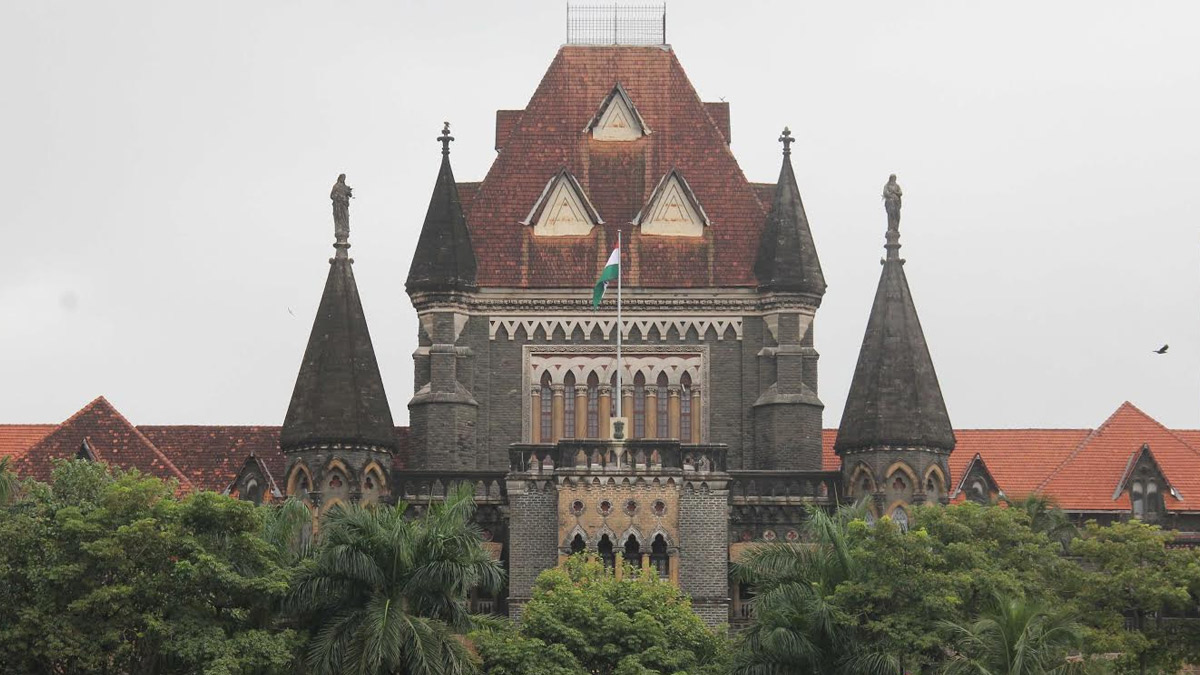
MUMBAI: When the ads stop, the business can too. Digital agency Blink Digital India Pvt Ltd has told the Bombay High Court that Meta’s standard commercial terms are unconscionable under Indian law, arguing that businesses have little real choice but to accept the platform’s conditions or lose access to advertising on Facebook and Instagram.
Appearing before Justice Sandeep V Marne, Blink’s counsel said the dispute had left the agency with “zero” business and warned that its implications could extend to commercial users across India. The hearing was adjourned to Friday, 16 October 2026, when Blink’s arguments are expected to continue, followed by Meta’s response.
“The consequences according to us are far-reaching. It will affect every single commercial user. In this state of course, but across India,” Blink’s counsel told the court.
At the centre of the case is a question of bargaining power: when a business depends on a dominant digital platform, how much freedom does it really have to negotiate the rules?
Blink argued that it had built its business over 11 years but had no realistic alternative to accepting Meta’s conditions if it wanted to run campaigns on the platforms.
“Advertising on Facebook and Instagram can only be placed through the defendant’s own advertising interfaces on defendant’s terms,” counsel submitted, arguing that the two sides did not have equal bargaining power.
The agency cited the Supreme Court’s 1986 judgment in Central Inland Water Transport Corporation Ltd v Brojo Nath Ganguly, which examined unconscionable contractual conditions and unequal bargaining power. Blink urged the High Court to consider the judgment’s discussion of contracts of adhesion agreements in which one party has little practical opportunity to negotiate the terms imposed by the other.
Its argument is that accepting standard platform terms does not automatically settle whether those terms are enforceable under Indian law.
Meta, meanwhile, has maintained that the dispute must be assessed within the contractual framework agreed to by the parties. Its submissions have referred to dispute-resolution provisions in California and the distinction between the responsibilities of its US-based parent, Meta Platforms Inc., and its Indian subsidiary, Facebook India Online Services Pvt Ltd.
The court has yet to rule on the enforceability of the terms or the merits of either side’s claims.
The dispute follows the disabling of four Business Manager accounts and associated corporate pages on Meta’s platforms. Blink is seeking their restoration and has claimed Rs 1,158 crore in damages and compensation.
Meta has argued that Facebook India was not a party to the principal terms relied upon by Blink and did not control the accounts in question. That raises a further question for the court: which entity can be held responsible and provide the relief the agency is seeking?
For agencies running client campaigns, access to advertising accounts is more than a digital convenience; it is part of the machinery that keeps business moving. Losing that access can disrupt campaign delivery and threaten revenue, making the contractual terms governing these platforms a significant commercial issue.
Blink is challenging those terms and the power imbalance it says they create. Meta, for its part, maintains that the agreed contractual provisions, jurisdictional clauses and roles of its respective entities must guide the dispute.
The matter is scheduled to resume before the Bombay High Court on Friday, 16 October 2026. The court has not yet decided on Blink’s claims.