News Broadcasting
Suzuki launches new TVC: Chulbul Pandey rides Hayate to Deccan

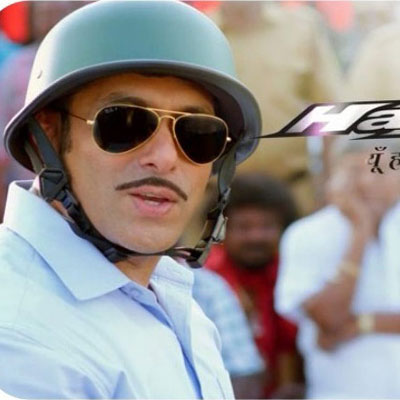
New Delhi, July 15, 2013: Suzuki Motorcycle India Private Limited (SMIPL), a subsidiary of one of the world’s leading two-wheeler manufacturers Suzuki Motor Corporation, Japan, has launched a new ad campaign for its bestselling mass segment motorcycle – Suzuki Hayate. An extension to the 2012 campaign, Suzuki’s new TVC features Salman in his characteristic Dabangg persona of Chulbul Pandey, this time in a full blown South India avatar.
The ad features Salman manoeuvring his Hayate on meandering streets set in a Deccan town from South India while recapturing the much acclaimed tagline – “Suzuki Hayate, yun hi nahi chalate!” Challenging Chulbul’s heroism is ‘Gundappa’, a character played by veteran actor from Telugu and Tamil cinemas, Kota Srinivasa Rao, who is known for his customary flair of blending comedy with villainy.
And the package doesn’t end just yet. Accomplished cinematographer, V Manikandan marks his directorial debut with the Hayate TVC. As a Director of Photography, Manikandan has been a part of mega productions like Ra.One, Main Hoon Na, Om Shanti Om and Raavan.

The ad has been overtly stylised and executed as a typical South Indian masala film. It has been ideated and executed by RK Swamy BBDO.
Ms. Anu Anamika, National Head – Marketing, SMIPL says, “The first TVC with Salman was a thundering success. Salman’s Dabangg persona in the TVC helped extend Suzuki Hayate’s appeal across segments. Since Suzuki is a pan India brand, this time we thought of giving the campaign a different treatment with a South-Indian twist. We hope we are able to replicate the previous campaign’s success and expand our reach to customers.”
Superstar Salman Khan says, “It’s nice to know Suzuki bikes are going places and Chulbul is always happy to go along for the ride. From Uttar, the action has moved to Dakshin and I hope the people in Purab and Paschim enjoy it as well.”
Mr. Sunil Kukreti, Senior Partner, R.K. Swamy BBDO Pvt. Ltd. says, “The entire campaign is conceptualized keeping in mind the target audience which resides in rural and semi-urban peripheries. We wanted to play along this well-embedded imagery and create a unique blend of North and South. This new TVC gets even bigger and more entertaining.”
The campaign will spread across all mediums including Television, Cinema, Radio, and Print.
STORYBOARD
While in the previous Hayate Ad, we witnessed Chulbul Pandey successfully arresting the fugitive Billa, this time around we will see Salman in his patent Dabanng character chase down Gundappa Kota Srinivasa and his gang to bring an end to the black marketing of film tickets.
The TVC revolves around its novel tagline “Suzuki Hayate, yun hi nahi chalate”. The scene breaks with Gundappa and his gang selling cinema tickets in black market. Enter Salman Khan in his iconic Chulbul Pandey character riding his trusted Hayate. A constable points at Gundappa and the group selling the movie tickets in black. The scene breaks into an action packed chase and run sequence between Gundappa, his gang and Salman who is seen effortlessly riding the Hayate. The Dabanng Khan with his discerning, unmistaken wits and his credible Hayate as his comrade, is ultimately able to arrest Gundappa and cease his black market racket. The TVC ends with Salman reciting the tagline and urging the viewers to buy Hayate.







News Broadcasting
Kamlesh Singh receives Haldi Ghati Award from MMCF
India Today Group editor honoured for three decades of journalism at Udaipur ceremony.
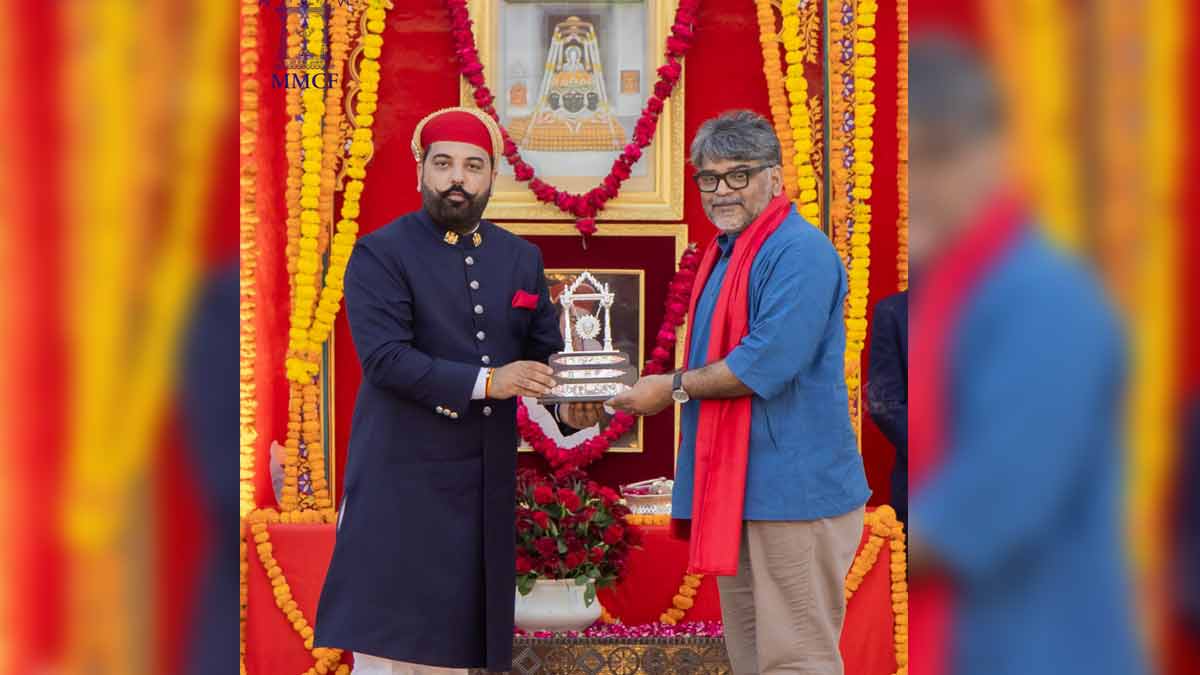
MUMBAI- Kamlesh Singh just turned a lifetime of sharp words into a shiny shield because when journalism wakes up a society, even the Maharana of Mewar wants to pin a medal on it.
The Maharana of Mewar Charitable Foundation (MMCF) conferred its prestigious Haldi Ghati Award on Kamlesh Singh, a senior editor at the India Today Group, during a ceremony in Udaipur on 15 March 2026. The national award, instituted in 1981-82, recognises “work of permanent value that initiates an awakening in society through the medium of journalism.”
Singh, who leads several editorial initiatives including Aaj Tak Radio, the Teen Taal community and The Lallantop, was presented the honour by Lakshyaraj Singh Mewar, Managing Trustee of MMCF. The citation highlighted his three decades of contributions to Indian media, innovations in digital journalism, mentoring young reporters, and his popular podcast persona “Tau” on Teen Taal, which fosters thoughtful public discourse.
The Haldi Ghati Award, named after the historic Battle of Haldighati symbolising valour and resilience, is one of four national awards given annually by MMCF. Past recipients include Tavleen Singh, Piyush Pandey and Raj Chengappa.
Other honourees this year included Padma Vibhushan Pt Hari Prasad Chaurasia, Vedamurti Devvrat Rekhe, Treeman of India Marimuthu Yoganathan, Vir Chakra Capt Rizwan Malik, and US-based researcher Molly Emma Aitken, who received the Colonel James Tod Award for contributions to understanding Mewar’s spirit and values.
In an era where headlines often shout louder than substance, the MMCF quietly reminded everyone that real journalism isn’t about noise, it’s about the quiet, persistent work that stirs society awake, one thoughtful story at a time.







