Content Hub
ZEE5’s content strategy is customer-centric: Aparna Acharekar

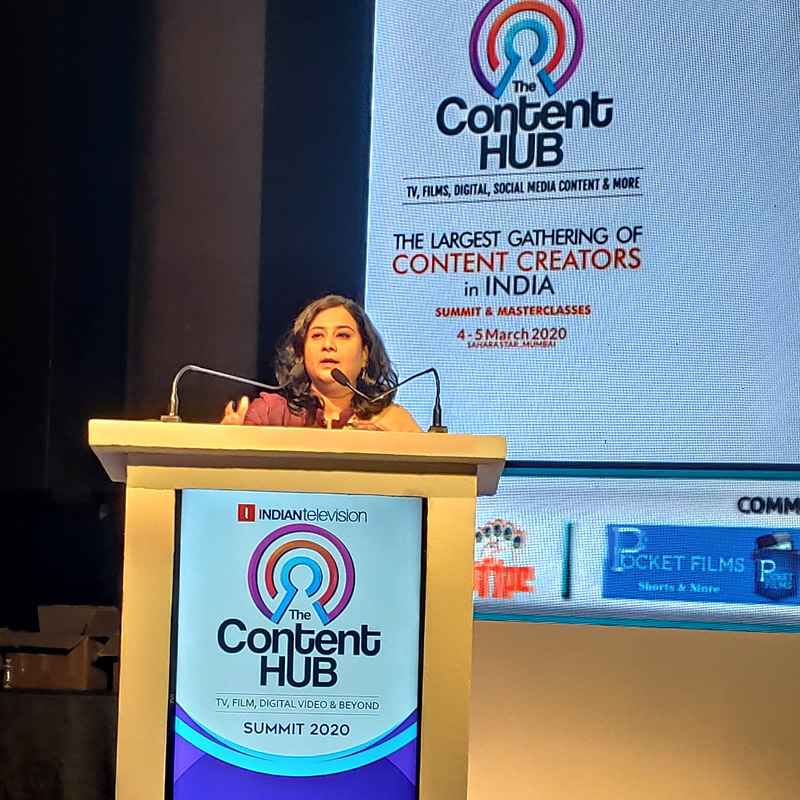
MUMBAI: The core values of Zee’s digital platform are based on three Cs – compelling content, the convenience of viewing and consumer experience, said ZEE5 programming head Aparna Acharekar while giving a presentation at the fourth edition of The Content Hub 2020 organised by indiantelevision.com.
Explaining about the three Cs, Acharekar said, “We want to create compelling content, which can be watched as per the convenience of the audience, anywhere and eventually, that increases the viewing experience of the consumer while giving value for their money.”
She added, “We want to ensure that a 40-minute each 10 episode-long series or 90-minute long digital film become compelling enough to binge-watch. Similarly, we give the power of convenience to consumers of what to watch, when to watch and with whom to watch the content. And the consumer experience to view content on various platforms be it subscription or advertising-based.”

“Our main theme is being customer-centric,” said Acharekar. “We have kept the customer at the heart of everything we do, and which is exactly why, we are able to entertain the young boy in Colaba, Mumbai and a person of the same age living in Chhapra, Bihar.”
“Relatable content that is real and resonates with the audience is going to work,” Acharekar said. She believes convenience is the basic reason we see the shift of audience towards over-the-top platforms.
“ZEE5’s content strategy has relied on the understanding of consumers, who are divided in a huge number of content clusters,” Acharekar said post the audiovisual screening, which had glimpses of the original shows and films the platform possesses.
“It’s important to indulge in perfect science and art while creating content – the science of making the content and the art of how you execute it,” pointed out Acharekar. “We are in the era of content creation wherein even an antagonist, who has made a star in the state, is enough to attract eyeballs.”
The Content Hub 2020 witnessed over 900 registered delegates, more than 110 speakers and 19 partners. The two-day event saw at least 35 sessions for the content creators.
The Content Hub’s main goal is to bring individual creators, professional storytellers, and producers, streaming platforms and broadcasters, film studios under one platform to connect with a mission to broaden the knowledge pool of the content industry. “It is all about learning, networking and collaborating towards building a roadmap for a better content ecosystem,” said Indiantelevision.com group founder, chief executive officer and editor-in-chief Anil Wanvari.






Mumbai: Exploring the shift from regional to national content, this synopsis delves into the trends and challenges. It navigates the transformation, analyzing industry dynamics, emerging trends, and the hurdles faced. From preserving regional variation to adapting to a broader audience, it examines the multifaceted journey of regional content evolving into a national narrative. In what ways do the emerging trends and challenges influence the dynamics of the entertainment industry during this transition? How can creators navigate these changes effectively? What strategic approaches can content creators adopt to strike a balance between maintaining regional identity and fostering a cohesive national narrative in their work? How can the transition from ‘regional’ to ‘national content’ impact cultural diversity within the entertainment industry, and what measures can be taken to ensure the preservation of regional variation?
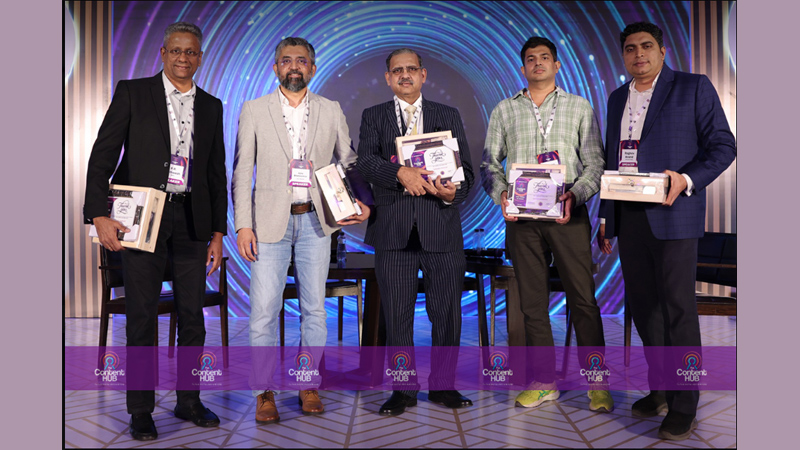
In a rapidly evolving media landscape, seasoned industry professionals have offered valuable insights into the transformation of content consumption and production. The session was chaired by Ernst and Young partner Raghav Anand, MMTV chief executive officer P.R. Satheesh, Sony Marathi business head Ajay Bhalwankar, PTC Network chairman & MD Rabindra Narayan, Shemaroo Entertainment COO, Digital, Saurabh Srivastava esteemed voices in the field, have articulated their perspectives on the burgeoning shift towards globalised content.
Rabindra Narayan emphasised the dissolution of regional boundaries in content consumption, attributing it to the accessibility facilitated by global platforms and connectivity options. He predicts a future where language barriers will fade, citing the potential of technology to clone and adapt voices, thus enabling seamless localization across languages.
Saurabh highlighted the democratisation of content creation in the digital era, underscoring its empowerment and revenue potential, particularly in linguistically diverse markets like India. He emphasizes the value of culturally rooted storytelling in filling gaps in content supply, with technology enabling effective monetization, especially through OTT platforms.
Ajay Bhalwan sheds light on the evolving landscape of Hindi and regional language content, noting a significant shift where a substantial portion of content on Hindi film channels originates from regional languages. He accentuates the importance of language in enhancing authenticity and audience engagement, exemplified by the strong resonance of Marathi content in Maharashtra.
PR Satheesh underscored the paramount importance of content quality in driving viewership and transcending language barriers. Drawing parallels with the global popularity of Korean dramas, he advocates for leveraging technology, including AI and real-time translations, to enhance content creation and distribution.
These insightful perspectives collectively echoed the industry’s adaptation to a globalised content landscape, where technology catalyzes innovation and accessibility. As content continues to evolve, these experts offered valuable guidance on navigating the dynamic media landscape and maximizing the impact of storytelling in diverse markets worldwide.







