iWorld
ZEE5 Intelligence Monitor launches new report on Quick Delivery Services (QDS)

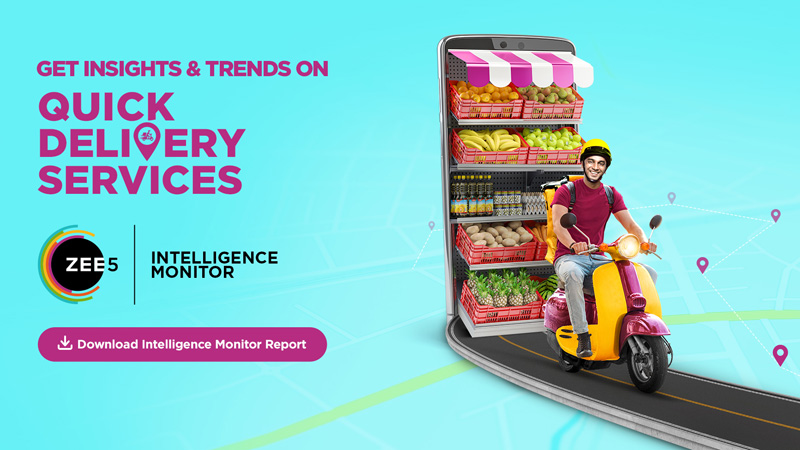
Mumbai: ZEE5, India’s largest home-grown video streaming platform and multilingual storyteller for entertainment seekers, has unveiled the new edition of its intelligence monitor which signifies key trends and insights within the Quick Delivery Services (QDS) segment. This comprehensive research highlights the emergence of Quick Delivery Service (QDS) apps as a revolutionary force in the consumer landscape, reshaping buying trends across both metro and non-metro regions with last-mile access to everyday goods and services. Additionally, it sheds light on the growing preference of today’s women for QDS apps.
ZEE5’s Intelligence Monitor on the Quick Delivery Service segment offers valuable insights for marketers and businesses, paving way for pioneering initiatives to target potential audiences and navigate this dynamic industry. The report further suggests that the ratio of metro users as compared to non-metro users of QDS apps stand at 53:47, which is drastically evolving in the post-pandemic era. The QDS ecosystem is witnessing phenomenal rise in demand on the back of emergence of individual consumers as a user category.
Key highlights of the QDS report:
· 66 per cent of consumers use QDS apps every week, whereas 54 per cent of women engage with QDS apps every week
· 1 out of 2 consumers rank convenience as the top reason for using QDS apps
· 79 per cent of non-metro respondents have tried a QDS app; whereas 61 per cent of non-metro respondents are regular users
· 38 per cent of users find comfort in shopping from the privacy of their homes
· 59 per cent of users make personal care purchases on QDS platforms
· 44 per cent of consumers use QDS apps to pick and drop packages within the city
· 78 per cent of respondents have tried a QDS app
· 56 per cent of respondents display high loyalty to QDS apps
On the release of the ZEE5 Intelligence Monitor QDS report, ZEE Entertainment Enterprises Limited chief operations officer – revenue Rajiv Bakshi said, “The appeal of doorstep delivery is the main draw for QDS apps, but trust and privacy also play a role. Women users benefit uniquely from time-saving, and QDS apps are on the verge of nationwide adoption, especially among non-metro users. ZEE5 Intelligence Monitor – Quick Delivery Services (QDS) is the latest edition undertaken to identify trends, map behaviours and deliver actionable insights into consumer’s attitudes towards products and services across categories. In the digital age, QDS apps empower women and promise future innovations for businesses. This report, with its data depth and creative capabilities, offers QDS players a great opportunity to communicate their value effectively.”
The report suggests that India’s digital evolution is taking a new turn, with next-gen consumers as well as non-metro users embracing Quick Delivery Service (QDS) apps. This trend underscores the importance of customization for regional success such as specialized product categories and localized delivery strategies, which strongly resonate among diverse preferences, offering an edge in this dynamic landscape. Innovations in the QDS ecosystem, empowering small brands and reshaping grocery shopping among smaller town consumers driven primarily by convenience and time-saving opportunities.
ZEE5 Intelligence Monitor is a pioneering effort to bring industry-specific consumer insights based on research conducted by one of India’s largest entertainment platforms, ZEE5. Aimed at aiding business leaders and marketers in their decision making, in addition to tracking consumption and buying habits, this research also provides an insider view on factors that influence consumers’ purchase decision process. The report also showcases varied point of view and nuanced perspectives from leading brands and experts from the broader marketing ecosystem.