News Broadcasting
Zee-Invesco tussle: Bombay HC gives Invesco time till 20 Oct to file reply

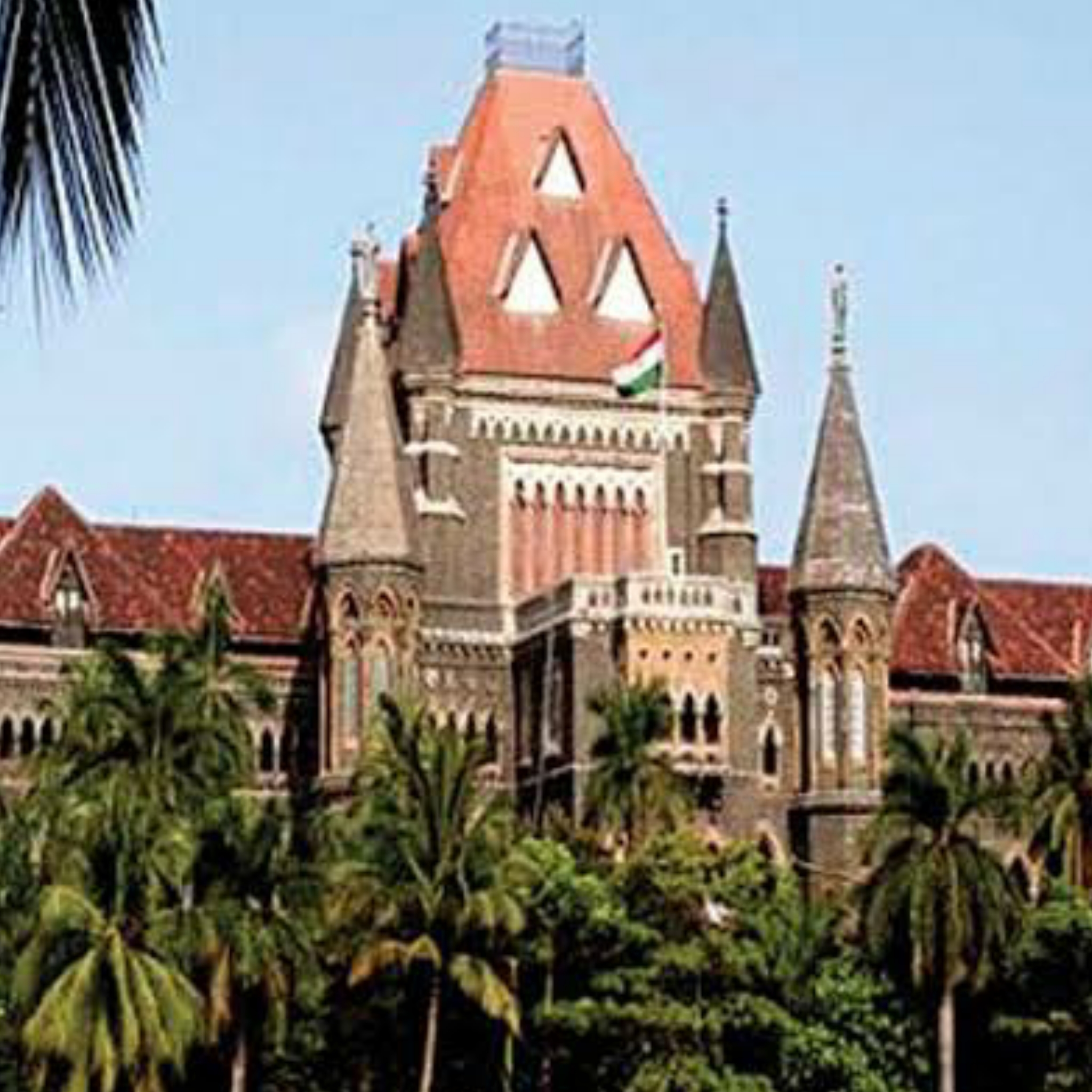
Mumbai: The Bombay high court on Wednesday heard the petition filed by Zee Entertainment Enterprises Ltd (Zeel) against the requisition notice sent by its investor Invesco Developing Markets Fund. The court has asked Invesco to file its reply by 20 October and will hear the matter on 21 October.
National Company Law Tribunal (NCLT) has given Zeel time until 22 October to file its reply to Invesco’s requisition plea after a hearing on 8 October.
Zeel’s two top investors Invesco Developing Markets Fund and OFI Global China Fund LLC who combined own 18 per cent stake in the company had sent a requisition notice to the company on 11 September to call an EGM even after two weeks, the investors moved to NCLT, citing provisions of Company Law, according to which the company is bound to call for an EGM within a specific number of days if stakeholder demanding it owns more than 10 per cent of the company.

The investors had also sought the removal of long-standing directors and close associates of the Chandra family from the board. The two independent directors Ashok Kurien and Manish Chokhani have already submitted their resignations.
The investors moved to have six nominees appointed to the board of Zeel, which included Surendra Singh Sirohi, Naina Krishna Murthy, Rohan Dhamija, Aruna Sharma, Srinivasa Rao Addepali, and Gaurav Mehta as independent directors of the board for a term up to five consecutive years. The notice was received by Zeel on 12 September, and it informed the stock exchanges on 13 September, adding that the appointments are subject to approval by the ministry of information and broadcasting (I&B).
Zeel refused to conduct the EGM citing ‘shareholders interest,’ and moved to Bombay high court on 2 October seeking to declare the requisition notice as ‘illegal and invalid.’






News Broadcasting
CNN-News18 to host Fury in the Gulf conclave on West Asia crisis
Three-hour summit to unpack geopolitical fallout and impact on India
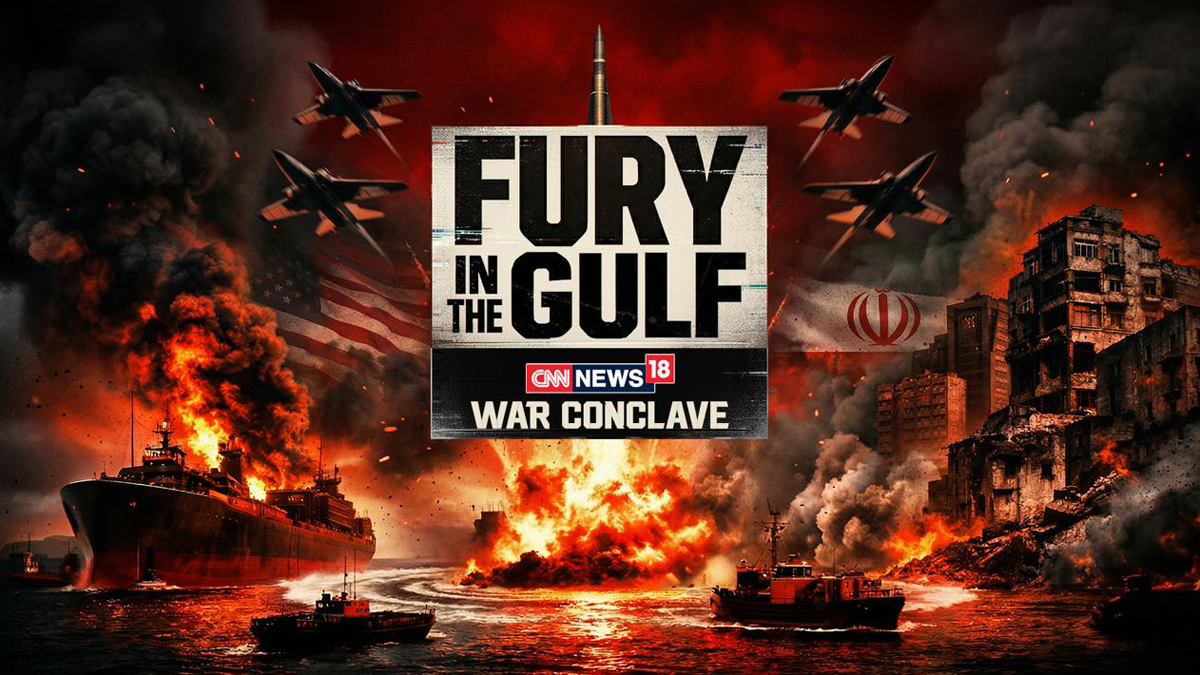
MUMBAI: CNN-News18 is set to host a special three-hour broadcast, Fury in the Gulf – War Conclave, on April 7, aiming to decode the escalating West Asia crisis and its far-reaching implications for India.
Scheduled from 4:00 PM to 7:00 PM, the conclave comes at a time when tensions between Iran and the United States are reshaping global geopolitics and triggering economic uncertainty. With India’s deep energy ties, trade links and large diaspora in the Gulf, the developments carry significant domestic relevance.
Built around the theme ‘Conflict, Consequences, and The Future,’ the programme will feature six curated sessions combining one-on-one interviews and panel discussions. The focus is to cut through the clutter and offer viewers a clearer understanding of the fast-evolving situation.
Key sessions include ‘Diplomacy in Times of War’ featuring Shashi Tharoor, and ‘World After the Iran Conflict’ with voices such as Ram Madhav, Reuven Azar, representatives from the European Union and the Iranian Deputy Envoy. Another session titled ‘Another Dunkirk?’ will bring together K. J. S. Dhillon and Jitin Prasada among others.
CNN-News18 editorial affairs director Rahul Shivshankar said, “In times of war, clarity becomes the most powerful tool. Fury in the Gulf – War Conclave brings together credible voices to address the questions and confusion that arise amid an overwhelming influx of information.”
He added that the initiative is aimed at delivering “facts, perspective, and insight” at a time when misinformation can easily cloud public understanding.
Echoing the sentiment, CNN-News18 CEO– English and business news Smriti Mehra said the conflict marks a defining global moment, with consequences that extend well beyond the region. She noted that the conclave seeks to present the crisis with “depth, nuance and responsibility” so audiences can better grasp its real-world impact.
As geopolitical tensions continue to dominate headlines, the conclave positions itself as an attempt to bring order to the noise, offering viewers a structured, insight-led look at a complex and rapidly shifting global situation.






