iWorld
Zee Entertainment enters the children’s content game with dedicated streaming hub

MUMBAI: Zee Entertainment has thrown open the doors to KidZ, a dedicated children’s entertainment hub on its streaming platform Zee5, marking a bold push into a lucrative but crowded content space. The service rolls out with an impressive initial catalogue of over 140 titles spanning multiple languages, with fresh offerings landing every Friday.
The digital division has struck partnerships with leading content creators and aggregators globally to curate a mix of entertainment and education. Early offerings include established franchises such as Boonie Bears, Vir, Chacha Bhatija and Inspector Chingum—reliable draws for young viewers hungry for animated adventures and comedy.
Available through a dedicated profile accessible across devices, KidZ marks Zee Entertainment’s strategic move to deepen its foothold in family entertainment. The company is doubling down with a premium slate of original programming launching from December 2025, blending storytelling and information with popular characters in formats designed to captivate and educate.

Zee5 India and Global business head of the kids division, Chandan Khandelwal, framed the venture as more than a streaming offering. “We aim to build a unique destination for children that extends beyond screens and creates an immersive and entertaining experience,” Khandelwal said. “Going forward, we remain committed to building KidZ as a trusted and premium destination for quality children’s programming.
The move positions Zee5 to compete fiercely in a segment where Disney+ Hotstar and other rivals already operate. With content designed as a safe, curated space for young audiences, Zee reckons quality programming backed by homegrown talent and international partnerships will prove the winning formula.







iWorld
OpenAI hits back at Elon Musk’s lawsuit ahead of trial
Company calls claims “baseless” and accuses Musk of trying to disrupt a rival.
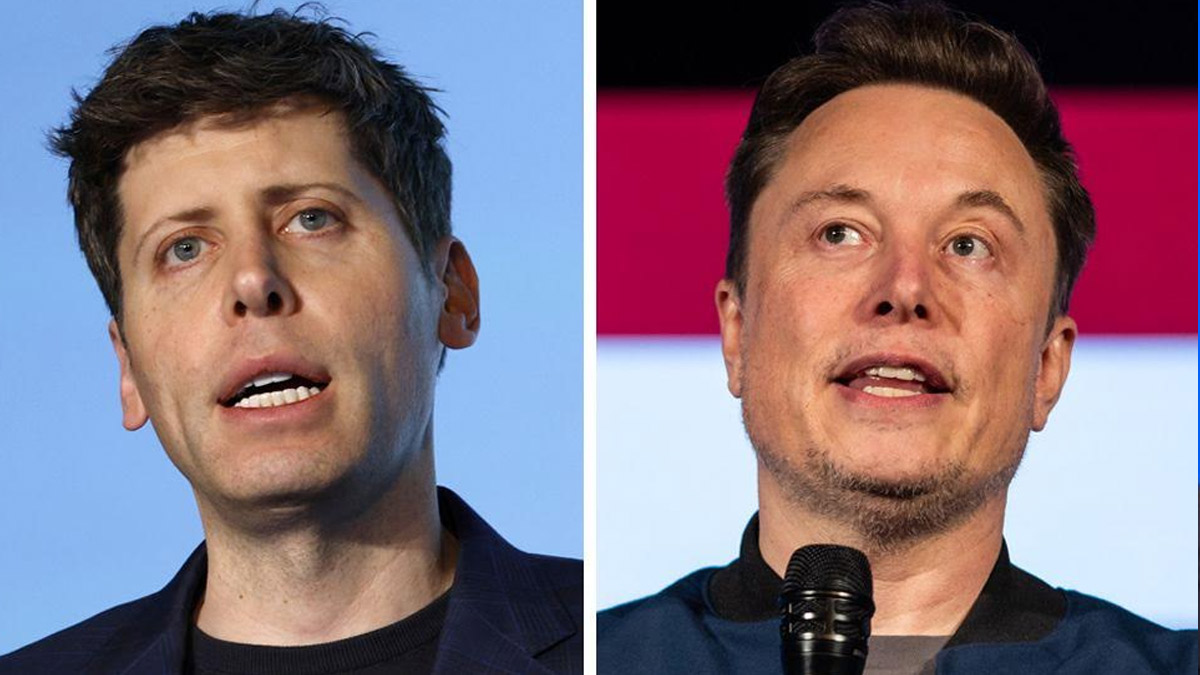
MUMBAI: When the stakes are measured in billions and egos are involved, even Silicon Valley titans can turn a courtroom into a battlefield. OpenAI has issued a sharp public response to Elon Musk’s ongoing lawsuit, accusing the billionaire of filing the case to harass a competitor rather than address genuine concerns. In a strongly worded statement shared on its official X account, OpenAI described Musk’s allegations as “baseless” and suggested the lawsuit is an attempt to disrupt the company as the case heads toward trial later this month in Oakland, California.
The response comes after Musk’s legal team recently amended the complaint, proposing that any damages potentially exceeding $150 billion should go to OpenAI’s nonprofit entity rather than to Musk personally. OpenAI questioned the timing and motive behind this change, calling it a late-stage attempt to “pretend to change his tune” on the nonprofit structure.
The company further labelled the lawsuit a “harassment campaign”, arguing that Musk’s actions are driven by personal rivalry, ego, and a desire for greater control and financial upside.
At the heart of the dispute is Musk’s claim that OpenAI has abandoned its original nonprofit mission of developing artificial intelligence for the benefit of humanity. A co-founder who left in 2018, Musk is seeking governance changes, including the removal of CEO Sam Altman from the nonprofit board, and the return of certain financial gains linked to Altman and President Greg Brockman.
OpenAI has firmly rejected these allegations, maintaining that its current hybrid structure, a public-benefit corporation overseen by a nonprofit parent remains true to its long-term goals. The company has also previously accused Musk of anti-competitive behaviour aimed at weakening its leadership.
As the case prepares for a jury trial, this public exchange highlights the deepening rift between two of the most influential figures in the AI revolution and raises broader questions about governance, mission, and power in the fast-moving world of artificial intelligence.
In the high-stakes game of AI, it seems the real drama isn’t just inside the models, it’s playing out in courtrooms too.






