DTH
Youtube is affecting TV viewing in the US


MUMBAI: Few vehicles are as effective at reaching large segments of the population as television, a fact that has established it as the favored medium for advertisers in many product categories. For as long as that has been the case, however, TV networks and advertisers have been fearful of emerging competitors and technologies that threaten their route into consumers’ minds.
From the remote control to the Digital Video Recorder (DVR), there have long been predictions that live TV and its embedded advertisements were going to be adversely affected by consumers’ ability to bypass commercials. More recently, a different kind of threat has emerged from social networking video site YouTube.
Recent research by Harris Interactive uggests that this fear may indeed be warranted. Over four in 10 (42 per cent) online US adults say they have watched a video at YouTube, and 14 per cent say they visit the site frequently. Almost one in three (32 per cent) of these frequent YouTube users say that they are watching less TV as a result of the time they spend there.

However, YouTube has its own set of challenges as it tries to monetise the viewer traffic it has amassed. If YouTube is considering airing ads before its videos, they may be advised to halt that thinking. 73 per cent of frequent YouTube users say that they would visit the site less if it started including short video ads before every clip.
These are just some of the results of a recent Harris Poll of 2,309 US adults (ages 18 and older), of whom 363 are frequent YouTube viewers, conducted online by Harris Interactive from 12-18 December 2006.
Of all frequent YouTube users, two-thirds (66 per cent) claim that they are sacrificing other activities when on YouTube. Although their visits to the site are most likely to have been at the expense of visiting other websites (36 per cent), time spent watching TV is next most likely to have taken a hit (32 per cent).
YouTube also cuts into email and other online social networking (20 per cent), work/homework (19 per cent), playing video games (15 per cent), watching DVDs (12 per cent) and even spending time with friends and family in person (12 per cent).
Further compounding the problem for the TV and advertising, YouTube usage is greatest among the group already hardest to reach through television advertising: young males. Over three-quarters (76 per cent) of 18 to 24 year old males say they have watched a video at YouTube, and 41 per cent visit YouTube frequently.
Harris Interactive’s Media & Entertainment Practice senior research manager Aongus Burke says, “We know from some of our other data on teens that YouTube is just as popular with them as it is with young adults. It has really emerged as a major force in, and problem for, the traditional entertainment industry. Not only is YouTube using a lot of their own content to steal the eyeballs they want the most, the site has provided a launching pad to wholly new forms of user-generated video entertainment that are gaining popularity quickly.”
However, YouTube faces challenges of its own as it tries to cash in on the house that it has built. When asked if the inclusion of short commercials before every clip would change how often they will visit YouTube, nearly three-quarters of adults who frequently visit the site say they would visit it a lot (31 per cent) or a little (42 per cent) less often as a result.
Burke adds, “To be fair as far as we know, YouTube has never publicly said that they are considering including short commercials before the clips on their site. However, we wanted to see how much resistance there would be at that extreme. Apparently, there is a lot.”
Indeed, in the last year, TV networks have successfully experimented with airing of TV episodes with commercials on their websites. Nearly as many online adults (41 per cent) say they have watched a video at a TV network website as they have at YouTube (42 per cent). It seems like TV networks can get away with advertising more easily.
Burke further says, “Indeed, we have seen in previous data that consumers as a rule are not averse to watching commercials online in order to catch an episode of a TV show they would otherwise miss. Yet those who are accustomed to finding and watching everything for free at YouTube may have developed a very different set of expectations for the site.”






DTH
DD Free Dish e-auction revenue dips to Rs 642 crore as slot sales fall
Revenue dips as revised norms reshape bidding in 94th round
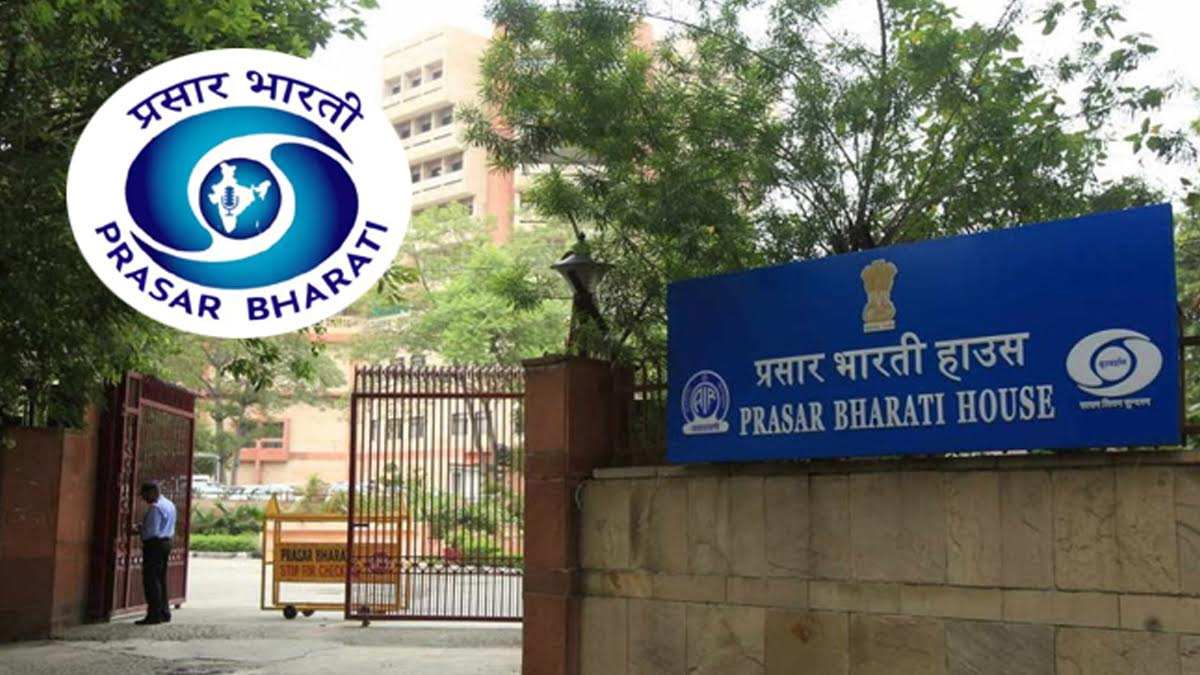
NEW DELHI: Prasar Bharati’s DD Free Dish has closed its 8th annual, and 94th overall, e-auction for MPEG-2 slots with total collections of Rs 642 crore for the period April 1, 2026 to March 31, 2027.
That is lower than last year’s Rs 780 crore haul, with 55 slots sold compared with 61 in FY25–26. The softer topline reflects both a slimmer inventory and a recalibrated auction framework.
This was the first auction conducted after amendments to the e-auction methodology, including tighter eligibility norms and a revised reserve price structure for MPEG-2 slots. The stated aim was greater transparency and more serious participation. The immediate outcome appears to be more measured bidding in certain categories.
Day one set the tone. Eight slots were sold, six in the premium Bucket A+ and two in Bucket A. The strong early action in A+, which typically houses Hindi GECs and movie channels, reaffirmed the enduring appeal of mass Hindi programming on the platform.
Among the broadcasters securing slots in the initial rounds were Zee Entertainment Enterprises, Sony Pictures Networks India, Viacom18’s Colors network, Sun Network and Shemaroo Entertainment. Their continued presence signals that, despite the pull of digital platforms, Free Dish remains a strategic must have for legacy networks chasing scale in price sensitive markets.
The final bouquet of 55 channels leans heavily towards Hindi news, movies, devotional fare, Bhojpuri and regional programming.
In Hindi news, familiar heavyweights such as Aaj Tak, ABP News, India TV, News18 India, Republic Bharat and Zee News made the cut. Entertainment and movie offerings include Colors Rishtey, Star Utsav, Dangal TV, Sony Pal, Shemaroo TV, Goldmines, B4U Movies and Zee Biskope. Devotional viewers will find Aastha, Sanskar and Sadhna Gold among the selected channels.
Regional representation includes Sun Marathi, Fakt Marathi, PTC Punjabi and GTC Punjabi.
Equally telling were the absences. Broadcasters such as Big Magic, Filamchi Bhojpuri, India News, Bharat Express, Movieplex Maithili, TV9 Marathi, Shemaroo Marathibana, Zee Chitra Mandir and Satsang did not participate. The pullback is particularly visible across Marathi, Bhojpuri, Maithili and spiritual programming. Industry observers point to the revised reserve prices, tighter eligibility norms and a reassessment of commercial viability as possible factors.
DD Free Dish continues to beam into over 40 million homes, largely in rural and semi urban India. For advertisers and broadcasters alike, it offers efficient access to Bharat markets where pay TV penetration remains uneven and OTT subscriptions are limited.
The moderation in revenue this year may be read as a pause rather than a retreat. Fewer slots, a reworked auction playbook and evolving broadcaster strategies have clearly shaped outcomes. Yet premium Hindi entertainment retains its pull, and the platform’s mass reach remains hard to ignore.
As the FY26–27 line-up settles in, the mix of winners and walkaways will define the private satellite channel landscape on DD Free Dish for the year ahead.