News Broadcasting
Why India expansion makes sense to BBC

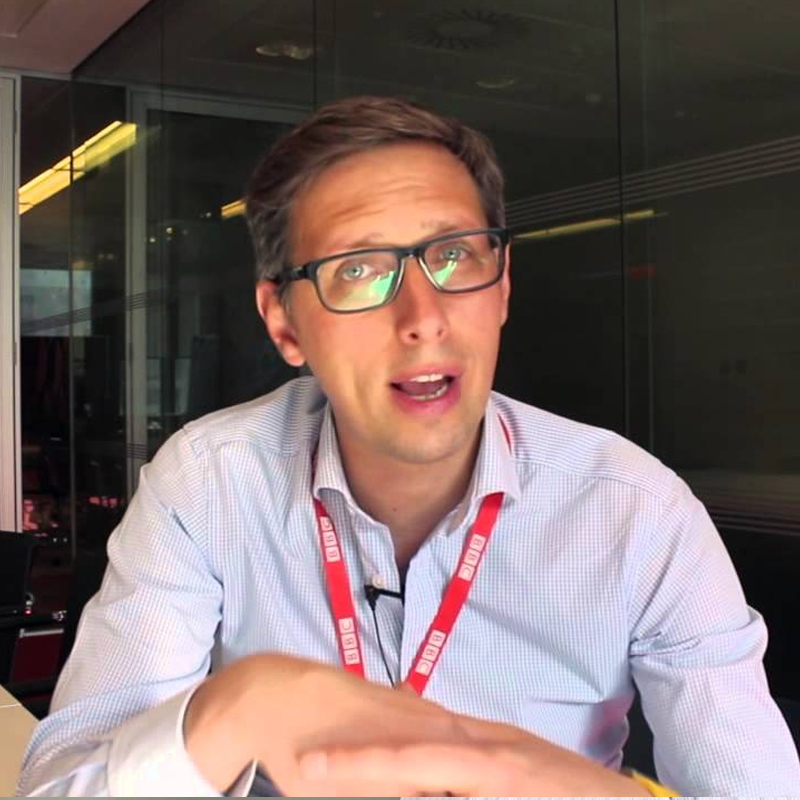
MUMBAI: BBC is rising to the fact that expansion in India makes logical sense. With the proliferation of news sources, BBC is witnessing a mobile revolution especially in India, Asia and Africa.
“It would be presumptuous to think that people would come to our websites just because we’ve launched them,” BBC digital editor for World Service Languages Dmitry Shishkin has said, niemanlab.org reported. Shishkin is responsible for allocation of 319 new digital, editorial hires — from developers to social media editors to producers for new TV bulletins.
Things like [Facebook] Instant Articles, Google Accelerated Mobile Pages, and light apps for audio listening, he says, are in our plans. The next ‘hackathon,’ he indicated, will be taking place in India. The way we are launching new BBC services impacts in a very big editorial way how we’re running existing ones, he said. (The BBC has also held several hackathons across Africa that have led to implemented pilot projects, and also to local developers joining the BBC’s product development process).
The BBC World Service already publishes in 28 languages. It plans to make a foray into unusual territory: launching a full-fledged news service delivered in Nigerian Pidgin in West and Central Africa. The BBC groups its language services into six regions — such as growth editors who can analyse data on story performance and make recommendations on how to improve coverage and increase reach.
Every new language service requires its own justification, its own distribution strategy, and its own evaluation of the target audience’s needs. For many of these countries where the BBC plans to launch its new mobile-focused online news services, limited phone data is an issue.
The BBC already has an established workflow that facilitates sharing text and video content among its own language services. It’s also developed new tools to ease cross-language sharing, such as this one that automates translations for videos.
The World Service is changing up how interactives will be produced. Regions will get their own dedicated interactives teams, so instead of pitching ideas to London, they’ll work with their own local teams.
BBC had realised that seeking someone with several years of professional experience in journalism, who spoke the languages they needed, plus had a digital background, was difficult. BBC had decided to look for people who have professional and personal experiences. This allows people to understand the market, because they are the market.
ALSO READ :
BBC Pashto adds arts to its TV offer
Zee Cafe targets 20-40-yr-olds with BBC First drama
BBC Academy launches content in five additional languages including Bangla & Spanish