iWorld
We’ve renewed most shows for next seasons: SonyLIV’s Ashish Golwalkar


Mumbai: SonyLIV is planning a strong content slate for 2022 with the returning seasons of its popular franchises such as “Undekhi,” “Scam,” “Maharani,” “Gullak,” “Rocket Boys,” “Avrodh” and more. The OTT streaming service is also planning to release new series helmed by filmmakers Vikas Bahl, Imtiaz Ali and Subhash Kapoor.
“This financial year is looking very exciting for us and we’re planning a strong content slate from the beginning of March this year to the end of March next year,” said Sony Pictures Networks India head content – Sony Entertainment Television and digital business Ashish Golwalkar. “Most of our shows have, fortunately, done well for us so they’re coming back for a second season. Some of them are genre defining shows such as ‘Scam’ and ‘Rocket Boys’. We’ve also renewed all our shows with Applause Entertainment including ‘Scam’, ‘Your Honor’, ‘Undekhi’ and ‘Avrodh’. All the shows that TVF have done for us are also returning including ‘Gullak’, ‘College Romance’, ‘Cubicle’, ‘Shantit Kranti’, ‘Girls Hostel’. So, we’ve renewed most of our shows for subsequent seasons.”
According to Golwalkar, the platform looks at 30-day viewership metrics, social media chatter and other indicators to take the call to renew a show for a new season. The video-on-demand platform’s latest show “Undekhi” was recommissioned almost immediately after the pandemic and will begin streaming on 4 March. Many of the shows that were launched in 2020 are looking at a delayed release due to the disruption of the pandemic.

“’Undekhi’ was one our first shows that we dropped and the subscriber base then and the subscriber base today have a huge difference,” observed Golwalkar. “While I don’t think we are trend setters in any way, I can say that we’re very committed to our content lens and create shows that are engaging, slightly cerebral and very native in their appeal. We are also committed to our mission of telling stories of India.” By no means are we trend setters in any way. All I can say is that we are very committed to our content lens. We create shows that are engaging, slightly cerebral and very native. We are committed to our mission of telling stories of India.
On the regional piece, Golkwalkar said, “’Shantit Kranti’ season one did very well for us and you can expect a season 2. This year you’ll see at least five to six very good Marathi shows from us coming on SonyLIV.”
The platform is also strengthening its regional content library by acquiring popular South language films. “Increasingly the way people consume content is changing and they’re becoming language agnostic. And we believe that there is a lot of scope to explore content within the regional languages of India,” he added.
Its highly anticipated “Scam 2003: The Curious Case of Abdul Kareen Telgi” is also expected to release on the platform this year. “We’ve almost finished the writing and we’ll begin shooting by the end of March,” said Applause Entertainment head of content Deepak Segal. “The only detail we can share is that Scam 2003 is not a continuation of season one but is a completely new story,” revealed Golwalkar.
“We look for longevity in our shows where we know that something like ‘Rocket Boys’ will be relevant even 50 years from now,” said Golwalkar.







iWorld
Bill Ackman’s Pershing Square makes $64 billion bid to acquire Universal Music Group
Ackman pitches NYSE relisting plan as UMG board weighs unsolicited offer
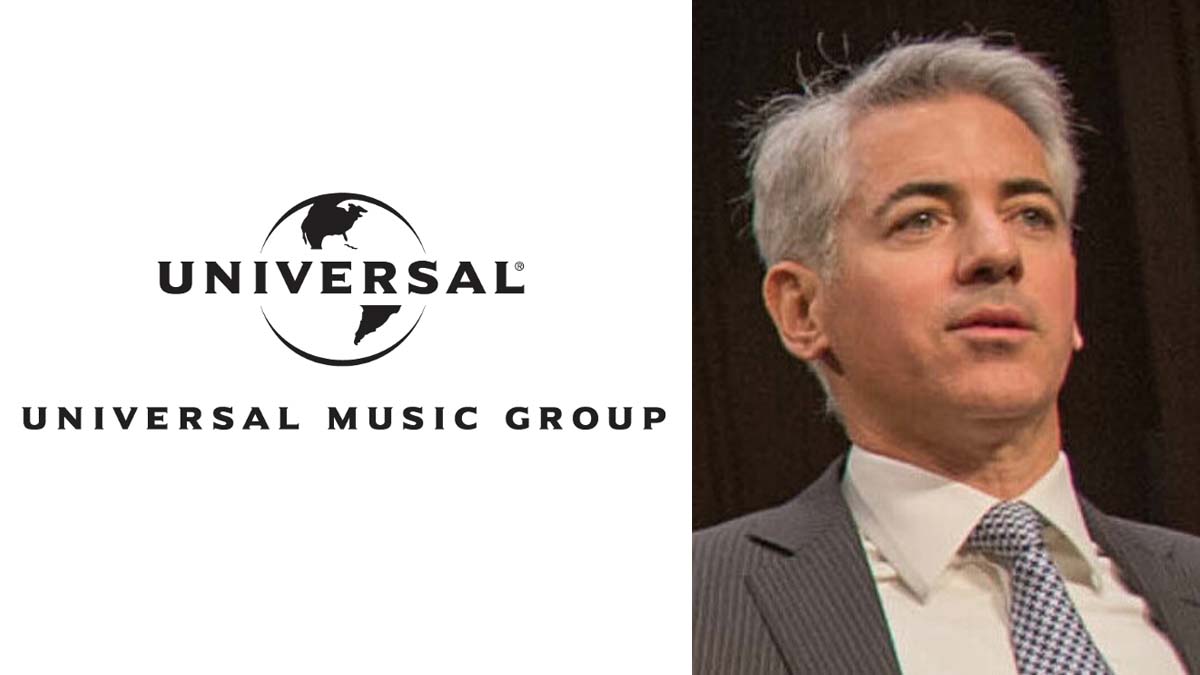
The hedge fund has proposed a business combination that values UMG at €30.40 per share, representing a hefty 78 per cent premium to its current trading price. The offer includes €9.4 billion in cash alongside stock in a newly formed entity, with shareholders set to receive €5.05 per share in cash and 0.77 shares in the new company for each UMG share they hold.
Under the proposal, UMG would merge with Pershing Square SPARC Holdings Ltd and re-emerge as a Nevada-based entity listed on the New York Stock Exchange. The move is designed to boost investor visibility and potentially secure inclusion in major indices such as the S&P 500.
Pershing Square Capital Management ceo Bill Ackman argued that while UMG’s operational performance remains strong, its market valuation has lagged due to external factors. “UMG’s stock price has languished due to a combination of issues that are unrelated to the performance of its music business,” Ackman said, pointing to concerns ranging from shareholder overhang to delayed US listing plans.
Ackman also flagged what he sees as untapped potential in UMG’s balance sheet and a lack of clear capital allocation strategy. He added that the market has not fully recognised the value of UMG’s €2.7 billion stake in Spotify, alongside gaps in investor communication.
The proposed transaction would also result in the cancellation of around 17 per cent of UMG’s outstanding shares, while maintaining its investment-grade balance sheet. Pershing Square has said it will fully backstop the equity financing, with debt commitments secured at signing. The deal is targeted for completion by the end of the year.
UMG, however, has struck a measured tone. The company confirmed that its board has received the non-binding proposal and will review it with advisers. It reiterated confidence in its current strategy and leadership under Lucian Grainge, signalling no immediate shift in stance.
The proposal comes at a time when global music companies are navigating evolving investor expectations, streaming economics and capital allocation pressures. For Pershing Square, the bet is clear: sharpen the financial story, relist in the US, and let the music play louder in the markets.
Whether UMG’s board is ready to change the tune remains to be seen, but the spotlight on its valuation just got a lot brighter.






