iWorld
Videotex becomes strategic ODM partner for webOS Hub

Mumbai: With the introduction of webOS Hub 2.0, Videotex International has now become the strategic ODM partner of webOS Hub.
Videotex has already partnered with over 15 leading smart TV brands, including Lloyd, BPL, Hyundai, Akai, Vise, Daiwa, Compaq, and others, to manufacture TVs that run webOS Hub.
Commenting on the development, Videotex director Arjun Bajaj said, “Following the success of webOS Hub 1.0, we are excited to transition to webOS Hub 2.0, which is smarter, more interactive, & provides users with an advanced smart TV experience. The most recent addition demonstrates Videotex’s commitment to continuous innovation and providing excellence in cutting-edge technologies to new-age users. This development will also strengthen the company’s position as a market leader in India, giving its partners more reasons to choose Videotex as a manufacturer over other brands when considering ‘Make in India’ smart TVs.”
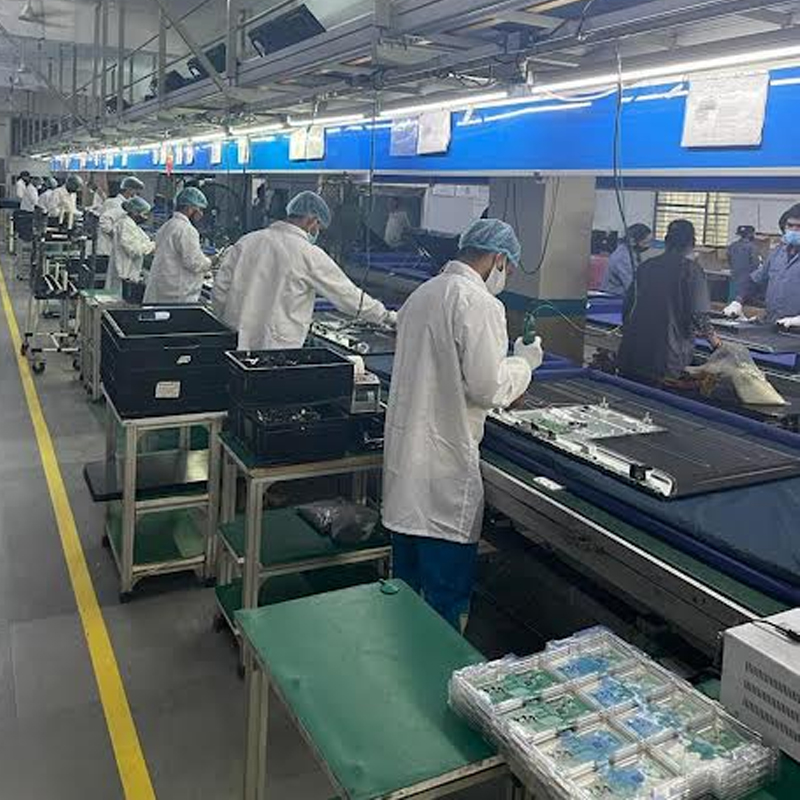
Since Videotex began producing webOS solutions, the operating system has been a game changer in the Indian television industry. In India, the company began providing ODM solutions for one brand and has since successfully onboarded over 15 brands. Videotex has produced over 5,00,000 webOS Hub-enabled televisions at its high-end facility in Greater Noida, which has a production capacity of more than 1.4 million TVs per year and is being expanded with their new unit, which has a production capacity of more than 1.8 million TVs per year, for a total manufacturing capacity of 3.2 million.
India and China both house R&D facilities for Videotex. By providing a comprehensive selection of 32- to 65-inch smart TVs in the new webOS Hub 2.0 solutions, which are available in HD, full HD, and 4K, Videotex has consistently worked to bring cutting-edge solutions to the Indian smart TV industry.
LGE HE Platform Biz division head and senior vice president Chris Jo said, “At LG, we are committed to refining and expanding our webOS Hub ecosystem, which continues to introduce more and more consumers to the unparalleled user experience of LG webOS Hub. With this, we are pleased to expand our collaboration with Videotex, which has been at the forefront of India’s smart TV ecosystem.”
LG’s revolutionary and brilliant webOS Hub operating system powers its smart TV line. With the help of ThinQ AI, which is included with webOS Hub, users can voice-control their TVs and other IoT devices that support ThinQ. The TV comes with a magic remote that includes features like a click wheel, quick access, and direct hotkeys for Netflix and Amazon Prime Video. Other devices like soundbars, AV receivers, and others can also be controlled universally by the remote. Users can operate their TVs from their smartphones with the LG ThinQ app.
Gamers can customise their gaming experience based on the genre using a new gaming dashboard and dedicated modes, which are another major focus. Using depth analytics extraction by an AI engine, the Smart TV’s upgraded Realtek Chipset optimises sharpness and contrast for better picture quality. It supports HDR formats such as HLG for OLED/UHD, HDR10, and upscaling to 4K for a more cinematic viewing experience.
A clear voice algorithm and advanced Dolby audio are also supported by the TV, and they both increase the size of extracted voice components (vocal sound) while lowering the background noises. Users can now use their voice to discover, access, and enjoy their favourite streaming content via Netflix voice UI thanks to the most recent webOS Hub 2.0.
webOS Hub 2.0 is a consumer-centric design with new features such as bezel-less designs, magic remote, universal control, MEMC, ALLM for OLED/UHD, Bluetooth 2-way, and Dual-band Wi-Fi.
The company will produce webOS Hub 2.0 TVs in sizes ranging from 32 to 75 inches.