eNews
TV and OTT stars are swapping the screen for your ears

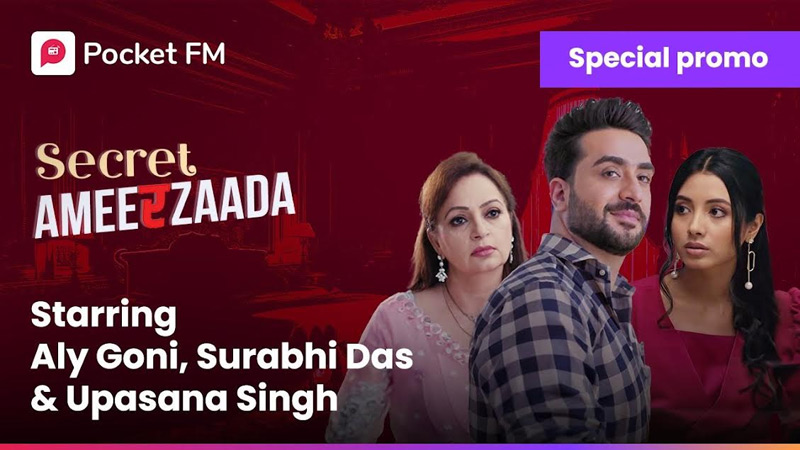
Mumbai: Some of your favorite TV and OTT stars are shifting from the small screen to your earbuds, bringing their talent to the world of audio series. This change reflects a growing trend in the entertainment industry, as high-quality content and innovative storytelling attract top talent to platforms like Pocket FM.
The audio series wave is giving television and OTT actors a new stage to showcase their acting skills in audio series promotions, also known as Pocket FM live-action. Alongside them, top writers and producers are also joining this movement, contributing their craft to the growing audio-entertainment sector.
For example, Sumbul Touqeer, known for her powerful on-screen performances, made headlines with her appearance in the promo for “Devil Se Shaadi,” highlighting the trend of TV and OTT stars embracing audio entertainment.
Similarly, Nishant Malkaani and Nyrraa M Banerjee, who have been well-known on the small screen, recently featured in the promo for the hit audio series “Insta Empire” on Pocket FM. Their involvement marks a new era where actors are not just seen but heard, bringing a different dimension to their craft.
Aly Goni who starred in the blockbuster audio series “Secret Ameerzada” live action, shared with IANS, “The audio series platform is different from other forms of storytelling. It gives actors like me a chance to use our creativity to stimulate imagination in the audience’s minds. It is new and exciting, something different from what I’m used to. I couldn’t resist taking on this challenge,” he said.
But the audio adventure isn’t limited to promo appearances. Pooja Gor, another small-screen favorite, recently stepped into the narrator’s role for a series of popular audio dramas including “Insta Millionaire,” “Devil Se Shaadi,” and “Ek Ladki Ko Dekha To,” all on Pocket FM. Her involvement further reiterates that audio storytelling is not just a passing trend but a vibrant new chapter in the world of entertainment.
Pocket FM VP of brand marketing and communications Vineet Singh sums it up perfectly: “Audio storytelling is changing the game in the entertainment industry, and we’re happy to see television and OTT actors getting involved and inclined to this shift towards audio entertainment and actively promoting the same. At Pocket FM, we have associated with actors and influencers who have brought their talent to our platform and been part of multiple blockbuster shows.”
As audiences across India and beyond tune into audio series, one thing is clear: the future of entertainment is no longer confined to the screen. With TV and OTT stars stepping behind the mic and also becoming the face of audio series, the world of storytelling is expanding in new directions. Whether you’re commuting, cooking, or just relaxing, these audio series are proving that sometimes, the best stories aren’t just watched—they’re heard.