iWorld
Tug of war between AVoD & SVoD, who will win?

MUMBAI: Content is the king and distribution is the queen. The year 2016 saw this phrase being used several times by the Over-the-top (OTT) players. But, does the struggle end there? Not really.
While content remains to be crucial, changing consumption patterns is inevitable. Having the right content mix is still a challenge for the players in the digital eco-system.
Discussing the importance of content and what can work well at the CASBAA OTT Roundtable Summit 2017 were Zee Entertainment Z5 India Business head of digital Archana Anand and Viacom18 Digital Ventures COO Gaurav Gandhi, moderated by TriLegal partner Nikhil Narendran, the session kick-started with the two leading players discussing their evolution.

While Anand spoke about the ‘BeesKaTV’ app in detail, Gandhi mentioned how the year 2016 saw OTT players burning cash to acquire consumers while it was a fabulous year for them.
“There is a a lot of demand for content consumption on mobile devices. As an advertising-led video-on-demand (VOD) service, we want to play on our strengths. Acquiring users comes with a heavy cost. There is a streaming cost, technology cost, content cost, etc. A platform has to bare the cost of a stream per user. Voot rides on four pillars – fandom around our reality and drama content available on our TV channel, Kids, Original play, and various languages content. We have built ourselves around content, and are still learning. The market can have 5-6 players with different strategies and we are enjoying a nice slice of the market,” said Gandhi.
Today, OTT is not just limited to mobile, and the fact that linear TV is not going away yet cannot be denied. How do the consumers consume content is important for which discovery is essential. “Content is crucial and discovery continues to be important. It is beneficial to throw recommendations around one type of content. Curation of original content requires humongous marketing strategy. In the recent Oscars, Netflix and Amazon Prime Video grabbed several awards. What better way to applaud the OTT industry than this,” added Anand.
It is given that, more than discovery or being a device-agnostic platform, there is a mindset shift required. Making people pay for content remains to be one of the many challenges for the SVOD players. With the data prices coming down, more and more people are going to consume digital video. Though, there is a segment of people who are not part of the data bandwagon, but they have consumed content. So, does it lead to the exit of linear TV in India? Perhaps, not.
“The next 24 months are going to be crucial for the digital space. TV is here to stay for a long time. There are some segments that will grow faster than the rest. Ad-supported OTT platform complements TV perfectly. We create fandom around our popular TV shows on Voot which gets us more eyeballs and, at the same time, boosts our TV business. There is a lot of headroom for television,” said Gandhi.
Anand resonated with Gandhi’s point of view on whether digital can replace TV framework.
But, who will determine the right pricing for each of these platforms? Are the advertisers ready to buy slots? For advertisers to hop on board, the platform first needs to monetise its content, grab maximum number of eyeballs, and then measure it. “The choice is with the players whether they want to play by volume or margin. Indians are ready to pay for transactions than subscriptions. The transactional business will get its value, but the subscription business will take its time. Newer and better models will emerge in the market. The volumes are growing large, but the challenge is — pricing. The advertisers require volume for which more watch-time is a given,” added Gandhi.
Contradicting that, Anand said, “The real challenge is: value for money. Even the advertisers are invisible in videos. Selling inventories to other broadcasters or platforms becomes difficult.”
It remains to be seen who’s content will work in the long run, and which model proves to be successful for the players in the digital space.




iWorld
Samay Raina returns with Still Alive, confronts 2025 controversy in bold comeback special
Comeback set tackles controversy, blending humour with raw storytelling
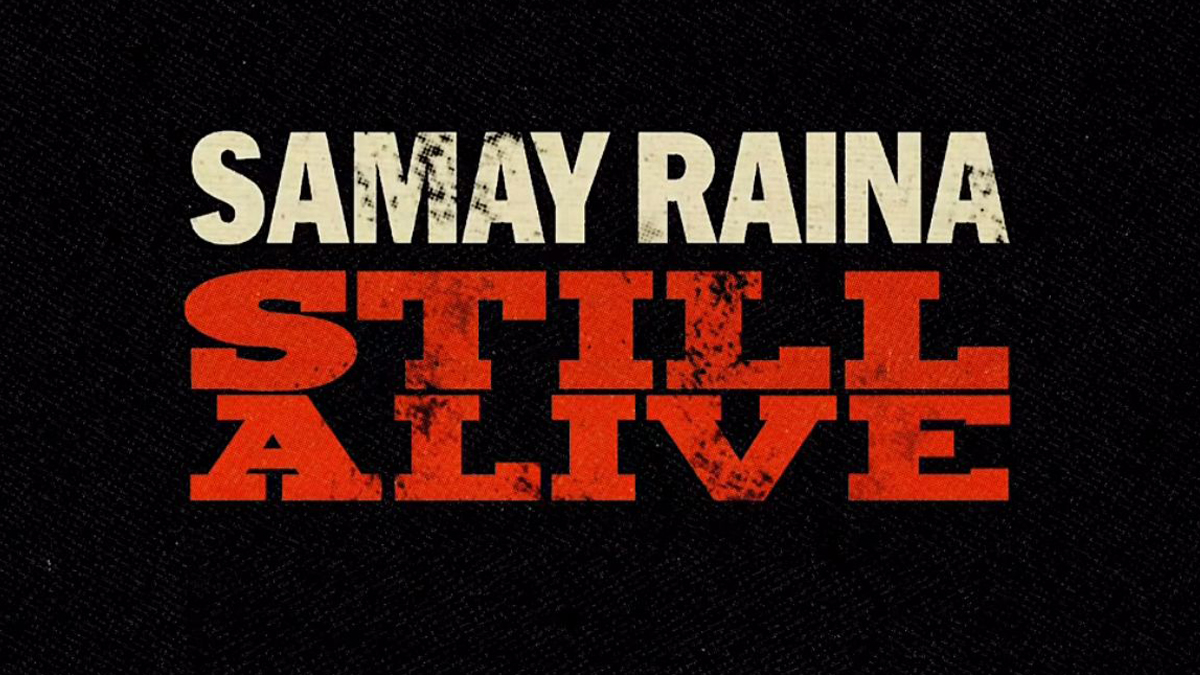
MUMBAI: Samay Raina is set to release his new stand-up comedy special, Still Alive, on YouTube on April 7, 2026, marking a high-profile return following a turbulent year.
The trailer for the special dropped on April 5, offering a glimpse into what Raina describes as a raw and unfiltered set that leans as much on honesty as it does on humour.
Positioned as a comeback of sorts, Still Alive draws heavily from the controversy surrounding his show India’s Got Latent in early 2025. The episode led to legal trouble, multiple FIRs, and a lengthy six-hour interrogation by the Maharashtra Cyber Cell, placing the comedian at the centre of intense public scrutiny.
Rather than sidestep the episode, Raina leans into it. The special reflects on the fallout and his personal journey through it, blending observational comedy with moments of emotional candour. Early audience feedback from live performances suggests the tone is less about rapid-fire punchlines and more about storytelling with bite.
The special was filmed during his global Still Alive & Unfiltered tour, which ran from August 2025 to early 2026. The tour saw Raina perform across major international venues, including the Madison Square Garden Theatre in New York, a milestone that places him among the youngest Indian comedians to take that stage.
The title itself signals resilience. “Still Alive” is a nod to navigating both legal and public backlash while choosing to remain unapologetically authentic, a theme that appears to anchor the set.
With the special set to premiere online, all eyes are now on how audiences respond to a performance that promises equal parts reflection and wit. For Raina, the message is clear. He is not just back, he is ready to be heard on his own terms.






