Hardware
STB cos in India, China enhancing features, providing customised solutions, Technavio enlists top vendors

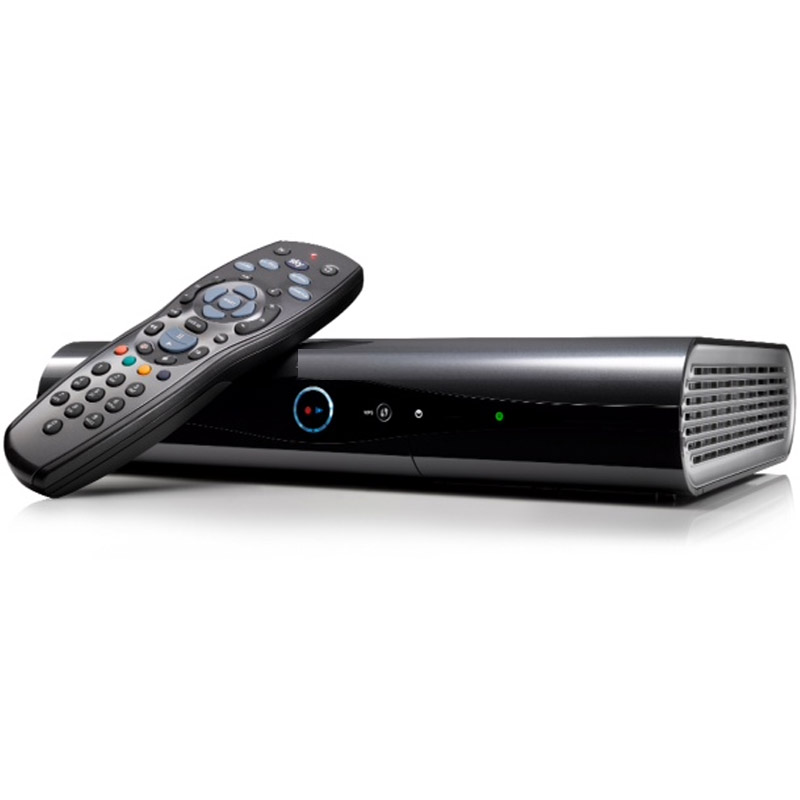
MUMBAI: The global STB market is characterised by intense competition as the market is saturated in developed countries. The market share of these players is declining because of the entry of new players. The STB companies are enhancing the features of STBs and providing customised solutions to retain their market share.
Technavio, a technology research and advisory company, has enlisted the top five leading vendors in their recent global set-top box (STB) market report. This report also lists 45 other prominent vendors that are expected to impact the market during 2017–2021.
There is a high demand for pay-per-channels used by customers who use gateways and multiscreen devices. The ongoing shift to the HD format contributes to the growth of the market. Digitisation in China, India, and Brazil contributes significantly to market growth. The ongoing shift from analogue to the digital platform in China and India has created the demand for HD STBs in these countries.
Competitive vendor landscape: “The global STB market is characterised by intense competition as the market in developed is expected to be stagnant in future. The market is fragmented owing to the presence of a large number of small players. The entry of new players intensifies competition and reduces the profit margins of other vendors. The players are enhancing the features of STBs and providing customised solutions to retain their market share,” says Ujjwal Doshi, a lead consumer electronics research analyst from Technavio.
The growth of the global STB market is driven by digitisation that has been taking place in developing countries, such as Argentina, Brazil, China, and India, since 2010.
ARRIS International: ARRIS International offers STBs, digital video and IPTV distribution systems, broadband access infrastructure platforms, and associated data and voice equipment. The wide portfolio of the company offers end-to-end solutions that offer service providers a variety of choices to customize their approach to IP transition. The company focuses on expanding its product and solutions portfolio through organic development, partnerships, and acquisitions.
Broadcom: Broadcom offers a range of consumer electronics products including STB, central office broadband access equipment, residential gateways, and stand-alone broadband access modems. Global service providers introduce new technologies and services in STBs such as HD content, transcoding, digital video recording, and increased networking capabilities.
Pace: Pace provides technology solutions and caters to the subscription-based TV services providers and broadband industries. It offers a wide range of media servers, STB, gateways, software, optical transport and access control network solutions, and highly specialized services.
Roku: Roku focuses on manufacturing streaming entertainment devices. The first product launched by the company was designed to secure movies from Netflix and feature them on TV with the help of the Internet. The streaming players can be connected directly to the user’s TV and grant access to movies, TV shows, games, music, and extra channels.
Technicolor: Technicolor provides production, post-production, and distribution services to content writers, network service providers, and broadcasters. The company offers film processing, visual effects, and animation services along with the manufacture and distribution of digital video disks, Blu-ray disks, STB, and gateways.
The emerging markets offer opportunities for growth to vendors as the developed countries have reached saturation, according to Technavio. The availability of affordable STBs fuels growth in the market.
ALSO READ :
IDOS 2017: Tech needed to integrate different media in a single box
Dish TV presses HD button; introduces new cardless set top box
BARC India to TRAI and MIB: Tweak legislation to make data tamper-proof
TRAI workshop on interoperable STBs later this month