International
‘Star Wars’ to be re-booted with a new film

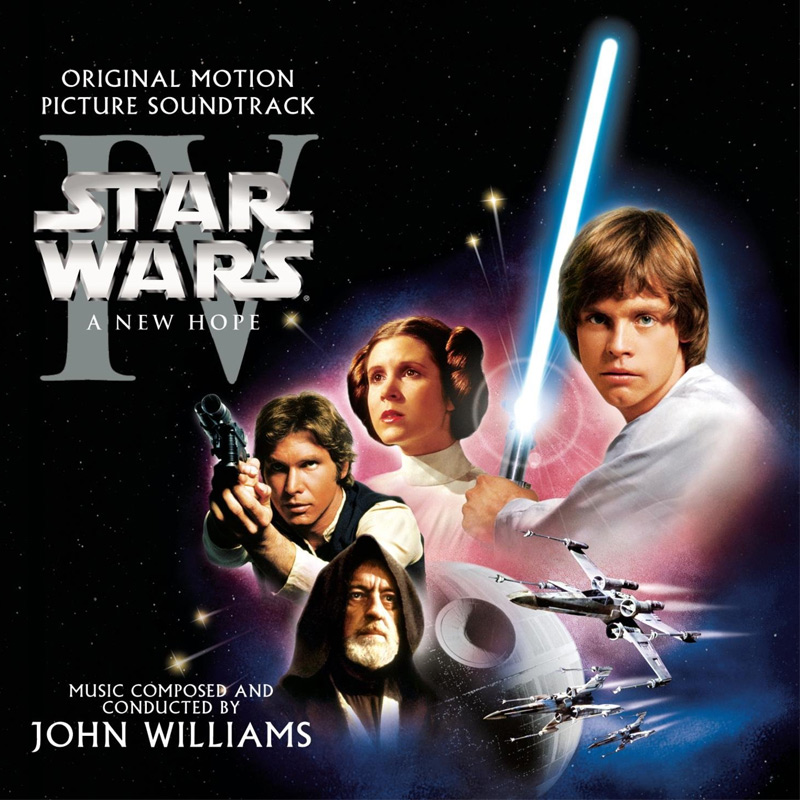
MUMBAI: After a bevy of emails and phone calls, the formalities have been wrapped up, and a new Star Wars film will be made.
J.J. Abrams will direct ‘Star Wars: Episode VII‘, the first of a new series of Star Wars films to come from Lucasfilm under Kathleen Kennedy ‘Lincoln‘. Abrams will be directing and Michael Arndt will write the screenplay.
Kennedy said, “It‘s very exciting to have J.J. aboard leading the charge as we set off to make a new Star Wars movie. J.J. is the perfect director to helm this. Beyond having such great instincts as a filmmaker, he has an intuitive understanding of this franchise. He understands the essence of the Star Wars experience, and will bring that talent to create an unforgettable motion picture.”
Lucas said, “I‘ve consistently been impressed with J.J. as a filmmaker and storyteller. He‘s an ideal choice to direct the new Star Wars film and the legacy couldn‘t be in better hands.”
J.J. Abrams said, “To be a part of the next chapter of the Star Wars saga, to collaborate with Kathy Kennedy and this remarkable group of people, is an absolute honour. I may be even more grateful to George Lucas now than I was as a kid.”
J.J, his longtime producing partner Bryan Burk, and Bad Robot are on board to produce along with Kathleen Kennedy under the Disney | Lucasfilm banner.
Also consulting on the project are Lawrence Kasdan and Simon Kinberg. Kasdan has a long history with Lucasfilm, as screenwriter on ‘The Empire Strikes Back‘, ‘Raiders of the Lost Ark‘ and ‘Return of the Jedi‘. Kinberg was writer on ‘Sherlock Holmes‘ and ‘Mr. and Mrs. Smith‘.
Abrams and his production company Bad Robot have made films like ‘Star Trek‘, ‘Super 8‘, ‘Mission: Impossible Ghost Protocol‘ and ‘Star Trek Into Darkness‘. Abrams has worked with Lucasfilm‘s postproduction facilities, Industrial Light & Magic and Skywalker Sound, on all of the films that he has directed, beginning with ‘Mission: Impossible III‘. He also created or co-created television series like ‘Felicity‘, ‘Alias‘, ‘Lost‘ and ‘Fringe‘.
Past ‘Star Wars‘ veterans, dating back to the classic trilogy, offered words of praise from their direct experience with Abrams: Visual Effects Supervisor Dennis Muren, ASC, whose credits include the original Star Wars trilogy as well as landmark films such as E.T. and Jurassic Park, also worked with Abrams on Super 8.
Muren said, “He puts everything he has into his work. He totally immerses himself. He‘s got such a visual eye, which is so important to the Star Wars films. It seems that a lot of the same things that were in George when he made the first Star Wars films are also in J.J. I think he‘s going to fit into the other movies perfectly, with the energy that J.J. has. We‘re kick-starting Star Wars again with dynamite. It will knock people out, including the people who get to work on it. I think it‘s a great choice.”
Ben Burtt, responsible for Star Wars sounds as Darth Vader‘s breathing, R2-D2‘s beeps and the classic lightsaber, has worked with Abrams as sound designer and sound editor on Star Trek and Super 8.
Burtt said, “J.J represents the next generation of filmmakers from those that were making Star Wars when I started. When he was a teen, he was a fan of Star Wars, and a great deal of his love for movies came out of his reaction of that first Star Wars film. You feel that he‘s already invested so many years in it, and he‘s going to propel it forward in a new way. In other words, you‘re having a fan who has grown up and developed tremendous directorial skills finding himself at the steering wheel to take the franchise into the next stage. I feel like I‘m there watching history turn over from one era to another.”
Matthew Wood, who served as supervising sound editor on Super 8, similarly grew up as a Star Wars fan before working on the films through the prequels. He said, “Working with him, it was so obvious to me that J.J. and I have the same nostalgic love of that era. Now we have someone from that generation who is going to be at the helm of the Star Wars franchise that I‘ve known and worked on, so it‘s a great circle. Just seeing what he did with Super 8 and capturing those moments, and knowing what was so special about that era, it‘s going to speak to a new generation of audience as well.”