News Broadcasting
Star has lock on Top 10, two new Zee shows in TAM Top 100


Some 63 of Star Plus’ shows figure in The Top 100 TAM ratings chart for the week ended 8 September 2001 for samples taken from the the two main metros Mumbai and Delhi. Twenty-seven shows of Sony Entertainment, nine Zee shows and one show (Haqeeqat) from the Sahara stable make up the rest of the chart for Hindi entertainment channels.
For Star Plus, the Balaji soaps Kyunki Saas Bhi Kabhi Bahu Thi and Kahaani Ghar Ghar Ki following close behind make up the top eight.
For Sony Entertainment, Kkusum has now firmly established itself as the top show though weekly action thriller serial CID came in higher at 17 on the ratings chart. However, if the Mumbai territory and Delhi territory are examined individually, Kkusum was the top notcher.

Zee TV’s old war horses Close Up Antakshari, Mehndi Tere Naam Ki, Koshish Ek Aasha and Amanat continue to lead the Zee challenge. Of Zee’s new shows, only Kohi Apna Sa (60) and Justujoo (95) figure in the combined list. However, in the Delhi sample, Chotti Maa (58) – the Hindi remake of the Tamil superhit serial Chiththi – comes in ahead of Kohi Apna Sa (59). Other new shows on the Delhi list are Shree 420 (75) and Baazi Kiski (83). If Delhi were to be taken as generally representative of the north then the number of Zee shows in the Top 100 (20) in the Delhi list appears to indicate that Zee has a much higher viewership in the north.
Another point to note is that the show Zee broadcasting CEO Sandeep Goyal had hoped would be the channel’s driver – Aap Jo Bolein Haan to Haan, Aap JO Bolein Naa to Naa – is yet to open its account on the ratings chart.
Meanwhile, as a result of the fallout of the leak of the people meters lists in Mumbai and Chennai two weeks ago, both TAM Media, which releases the TAM ratings lists, and ORG Marg (INTAM lists) are in the process of completely revamping their panels.
While INTAM’s Gautam Mitra calculates that the process will take five weeks or so TAM Media president LV Krishnan refused to set a time frame for the clean-up process other than to say it was being carried out in all urgency.






News Broadcasting
BBC to cut up to 2,000 jobs in biggest overhaul in 15 years
Cost pressures and leadership change drive major workforce reduction plan
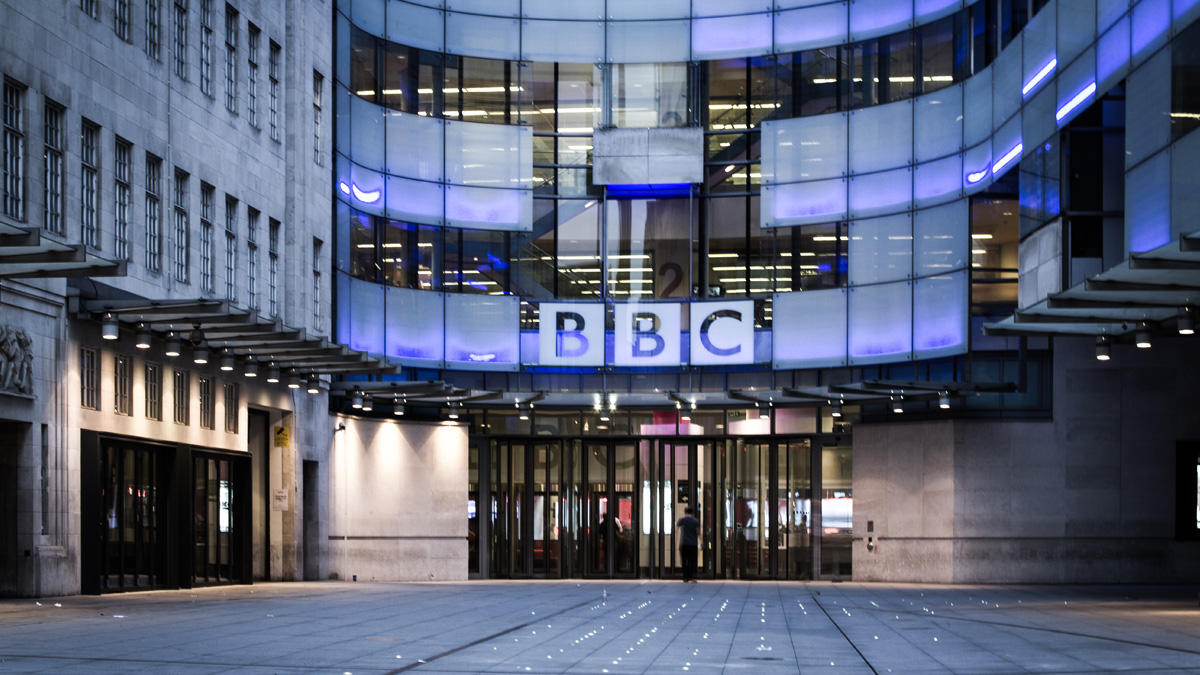
LONDON: BBC has unveiled plans to cut up to 2,000 jobs, roughly 10 per cent of its global workforce, in what marks its biggest downsizing in 15 years.
The announcement was made during an all-staff meeting led by interim director-general Rhodri Talfan Davies, as the broadcaster moves to tackle mounting financial pressures and reshape its operations.
Between 1,800 and 2,000 roles are expected to be eliminated from a workforce of around 21,500. The cuts form part of a broader plan to save £500 million over the next two years, aimed at offsetting rising costs, stagnating licence fee income and weaker commercial revenues.
In a communication to staff, BBC interim director-general Rhodri Talfan Davies said, “I know this creates real uncertainty, but we wanted to be open about the challenge,” acknowledging the impact the move would have across the organisation.
The restructuring comes at a time of leadership transition. Former director-general Tim Davie stepped down earlier this month, with Matt Brittin, a former Google executive, set to take over the role on May 18, 2026.
While some cost-cutting measures are being implemented immediately, the majority of the structural changes are expected to roll out over the next few years, with full savings targeted by the 2027–2028 financial year.
The broadcaster had earlier signalled its intent to reduce its cost base by around 10 per cent over a three-year period, warning of “difficult choices” as it adapts to shifting economic realities and audience expectations.
With operating costs hovering around £6 billion annually, the BBC’s latest move underscores the scale of the financial challenge it faces, as it balances public service commitments with the need for long-term sustainability in an increasingly competitive media landscape.