iWorld
SonyLIV’s Marathi original series ‘Shantit Kranti’ to premiere on 13 August


Mumbai: SonyLIV is all set to launch its first Marathi original series “Shantit Kranti” on 13 August. The show is dubbed in Hindi, Tamil, Telugu, and Malayalam.
Directed by Sarang Sathaye and Paula McGlynn, founders of the YouTube page Bharatiya Digital Party (Bhadipa), the web series features Abhay Mahajan, Lalit Prabhakar and Alok Rajwade in the lead roles along with Vijay Nikam and Bollywood actor Shikha Talsania in prominent roles. Actors Sakhi Gokhale, Mrinmayee Godbole, Amey Wagh, Sarang Sathaye, Jitendra Joshi will also appear on the show.
The story captures the quirky camaraderie of three best friends, Shreyas, Dinar and Prasanna, who hit the road, embarking on a journey of self-discovery that unknowingly changes their lives forever, said the press statement.

“SonyLIV has been at the forefront of bringing to life authentic and relevant stories of India to our viewers,” said Sony Pictures Networks India, head – content, SET and digital business, Ashish Golwalkar. “As we strengthen our slate of regional content, we’re proud to announce our first Marathi original, ‘Shantit Kranti’ in collaboration with two content powerhouses, TVF and Bhadipa. The show captures the true essence of friendship that holds great relevance for today’s urban youth. It also brings together exceptionally strong characters played by a stellar ensemble cast and has a captivating storyline.”
“We are grateful to collaborate with SonyLIV, a platform that has been making in-roads with regional content,” said Sarang Sathaye and Paula McGlynn in a joint statement. “‘Shantit Kranti’ is everyone’s story put together on screen, and we are sure the audience from all demographics will relate to it. The stories, experiences, laughter, and the message that comes out of it, make it an extremely enjoyable watch.”







iWorld
OpenAI hits back at Elon Musk’s lawsuit ahead of trial
Company calls claims “baseless” and accuses Musk of trying to disrupt a rival.
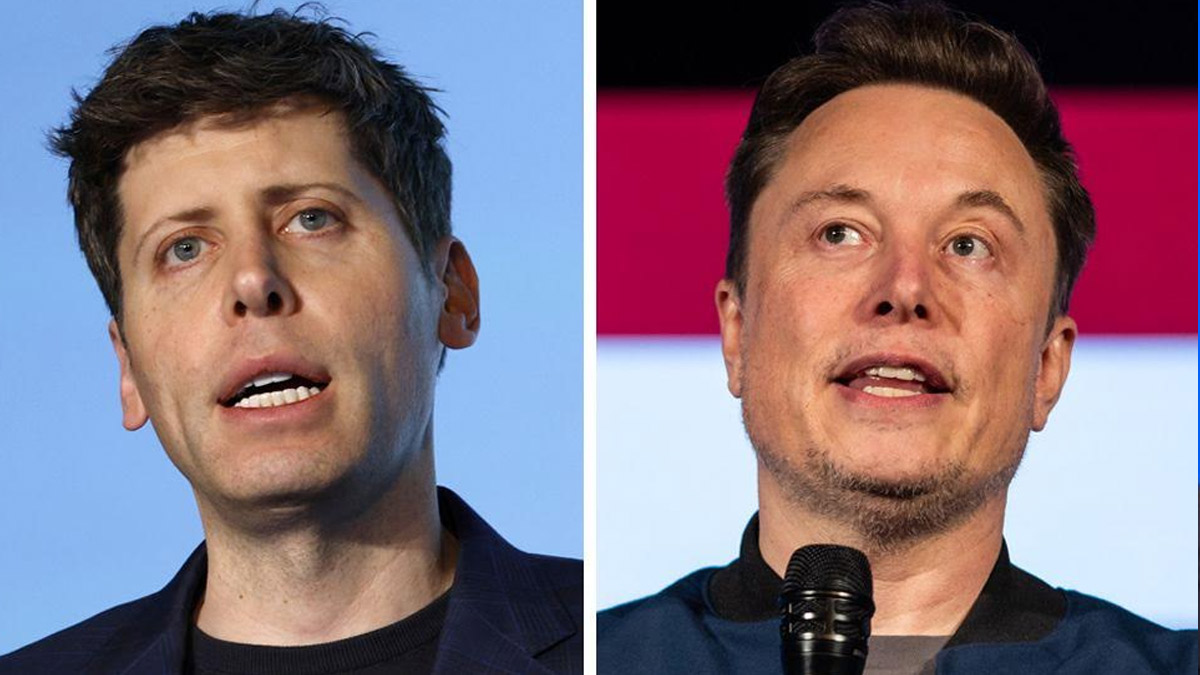
MUMBAI: When the stakes are measured in billions and egos are involved, even Silicon Valley titans can turn a courtroom into a battlefield. OpenAI has issued a sharp public response to Elon Musk’s ongoing lawsuit, accusing the billionaire of filing the case to harass a competitor rather than address genuine concerns. In a strongly worded statement shared on its official X account, OpenAI described Musk’s allegations as “baseless” and suggested the lawsuit is an attempt to disrupt the company as the case heads toward trial later this month in Oakland, California.
The response comes after Musk’s legal team recently amended the complaint, proposing that any damages potentially exceeding $150 billion should go to OpenAI’s nonprofit entity rather than to Musk personally. OpenAI questioned the timing and motive behind this change, calling it a late-stage attempt to “pretend to change his tune” on the nonprofit structure.
The company further labelled the lawsuit a “harassment campaign”, arguing that Musk’s actions are driven by personal rivalry, ego, and a desire for greater control and financial upside.
At the heart of the dispute is Musk’s claim that OpenAI has abandoned its original nonprofit mission of developing artificial intelligence for the benefit of humanity. A co-founder who left in 2018, Musk is seeking governance changes, including the removal of CEO Sam Altman from the nonprofit board, and the return of certain financial gains linked to Altman and President Greg Brockman.
OpenAI has firmly rejected these allegations, maintaining that its current hybrid structure, a public-benefit corporation overseen by a nonprofit parent remains true to its long-term goals. The company has also previously accused Musk of anti-competitive behaviour aimed at weakening its leadership.
As the case prepares for a jury trial, this public exchange highlights the deepening rift between two of the most influential figures in the AI revolution and raises broader questions about governance, mission, and power in the fast-moving world of artificial intelligence.
In the high-stakes game of AI, it seems the real drama isn’t just inside the models, it’s playing out in courtrooms too.






