e-commerce
Signify India illuminates the e-commerce landscape with the launch of the Philips D2C website

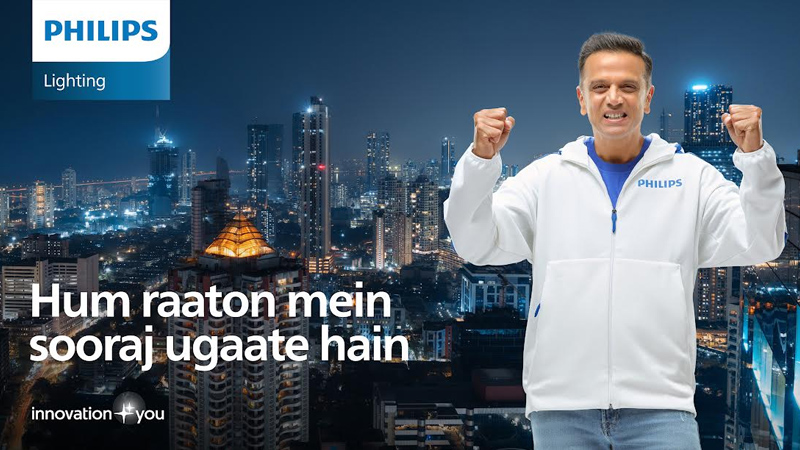
Mumbai: Signify, the world leader in lighting, is thrilled to announce the launch of its Philips Direct-to-Consumer (D2C) website, a groundbreaking initiative that promises to revolutionize the way customers experience lighting. With an extensive selection of over 1000 consumer products across various categories, Signify India’s new platform, In.shop.lighting.philips.com, is designed to provide unmatched ease, convenience, and accessibility for its valued customers.
Here’s what you can expect from the website:
Comprehensive Product Range: You’ll find Signify’s innovative lighting solutions on the website, including Philips, Smart Wi-Fi products, and much more with free delivery and a seven-day return policy.
Nationwide Reach: The website will cater to customers across India, ensuring that people from all regions can benefit from its lighting solutions.
Festive Season Delights: As the festive season approaches, customers can look forward to exciting offers and promotions on the website.
Digital Success: Signify India has experienced substantial growth through digital platforms like Amazon, Blinkit, Myntra and Flipkart. The new D2C website, with its extensive range of products, is set to further enhance this growth as it complements the limited product offerings on these platforms.
Virtual store: Customers can look forward to a seamless shopping experience with the potential integration of virtual stores, enhancing the product exploration journey. At our Virtual Store, customers can delve into the details of each product. Learn about their features, materials, and the inspiration behind their designs.
Company Warranty: In recognizing the evolving landscape, the prevalent dominance of the market by Chinese imports, tends to be devoid of warranties and spares availability, significantly undermining the overall product quality. The allure of these products may be deceptive, as they often fall short of delivering the promised quality and longevity. This influx of substandard products poses a significant challenge to consumers seeking reliable and enduring lighting solutions. Signify’s commitment is to provide an alternative that stands in stark contrast to these challenges.
Signify India CEO Sumit Joshi shared his excitement: “We are delighted to announce our presence now on our own D2C website. Our Philips D2C website is a testament to our commitment to delivering superior lighting experiences. We have meticulously studied consumer behaviour, trends, and patterns to ensure unmatched customer satisfaction. Our way of working with modern trade concepts in the electrical industry has borne fruit, and we aim to replicate this success in the realm of e-commerce.”
With this groundbreaking E-Shop, Signify reasserts its commitment to pioneering innovation in the electrical and digital building infrastructure industry, setting new standards for customer satisfaction and convenience.